Brera’s AI-glasses pilot recognises eight paintings but delivers human-authored descriptions—a useful boundary for accessible museum technology.
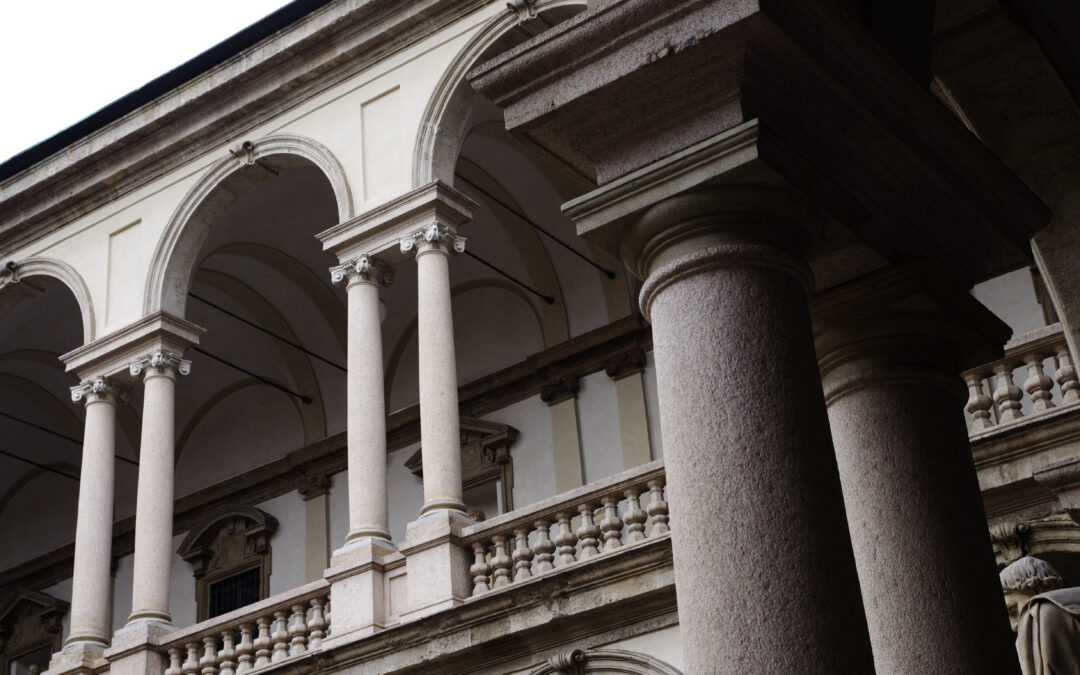

Brera’s AI-glasses pilot recognises eight paintings but delivers human-authored descriptions—a useful boundary for accessible museum technology.

A proposed U.S. evidence rule shows why creators should preserve source files, approvals and production histories before authenticity is disputed.
Spotify’s new badge separates synthetic identity from AI-made music—and connects disclosure to recommendation eligibility.
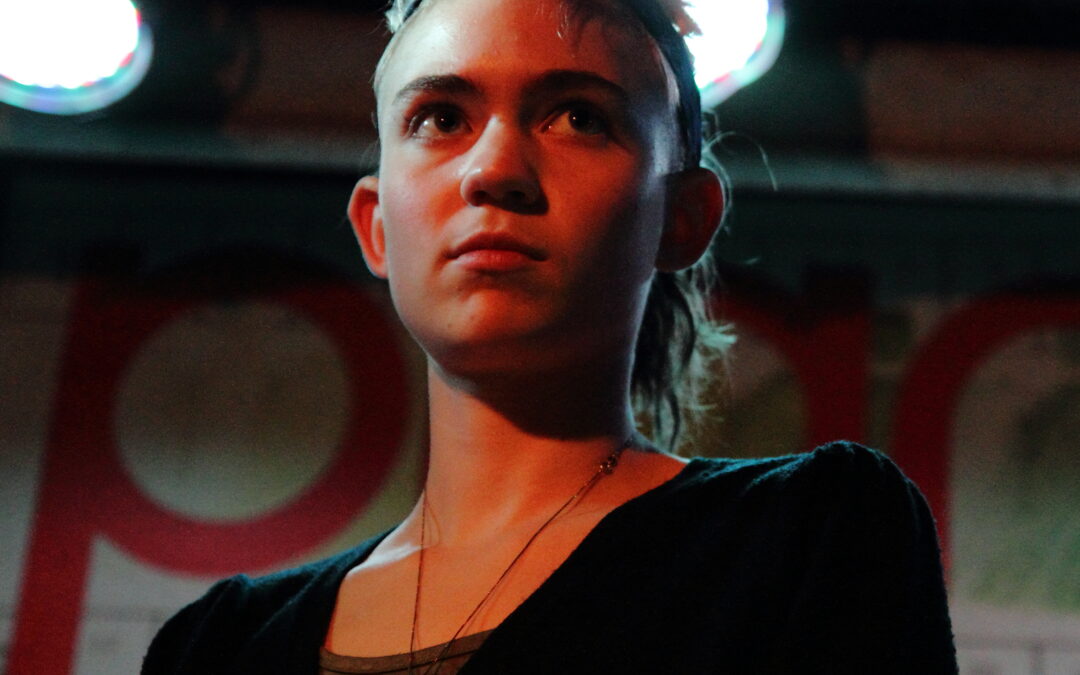
Grimes’ new video separates AI-generated elements from a 70-person human production—offering artists a useful model for transparent creative credits.
A publisher coalition’s new telemetry standard aims to show when AI agents retrieve, cite, present and profit from media content—and what that could mean for artists and cultural publishers.
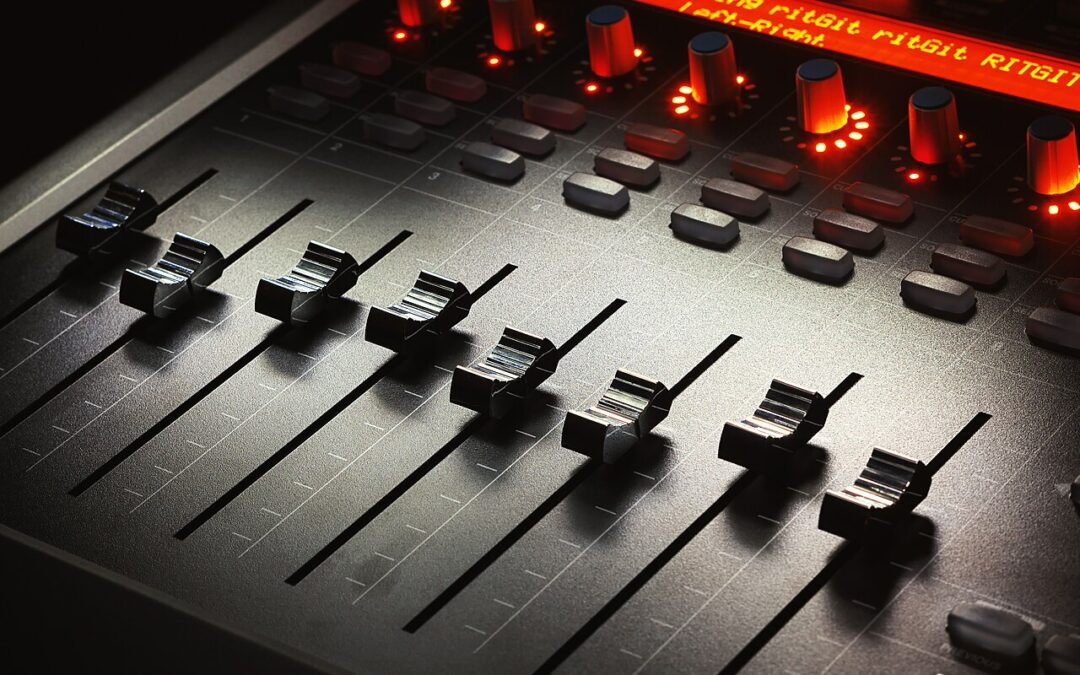
DistroKid’s response to a lawsuit over alleged AI and copyright abuse has reportedly removed some human-made or licensed tracks, exposing a critical need for transparent appeals and artist-held proof of process.
A Dublin copyright conference places licensing, transparency and enforceable creator rights beside the AI industry’s growth agenda—and Ireland is unusually positioned to influence what comes next.
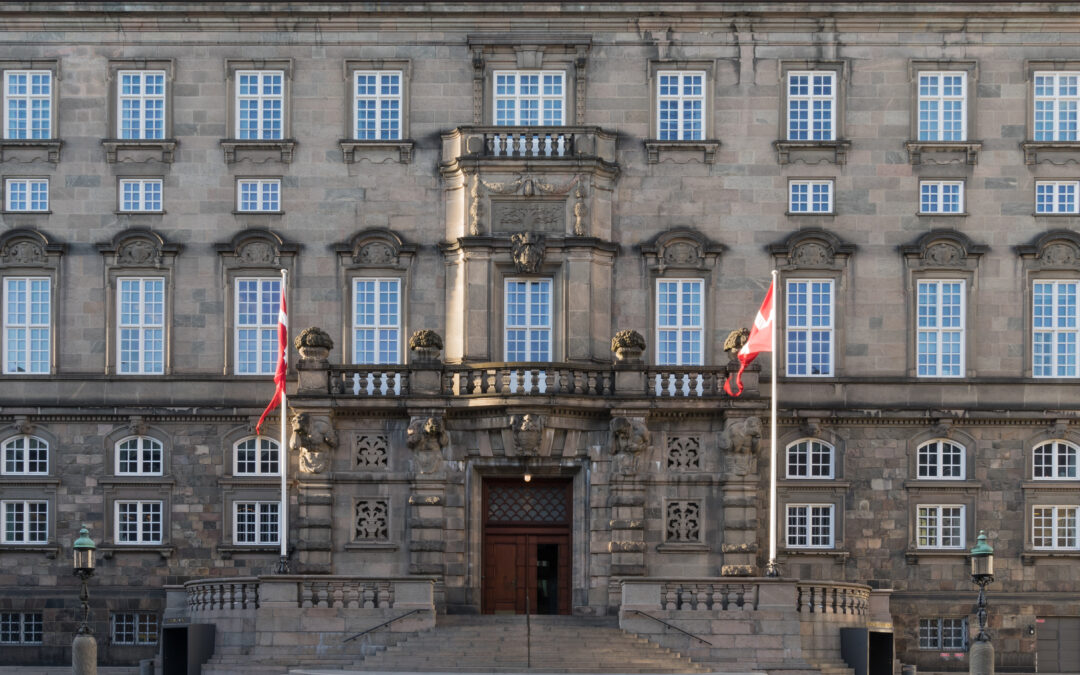
Denmark’s proposed deepfake law would protect faces, voices, performances, and creative work while preserving exceptions for satire and criticism.
Unapproved generative-AI use can expose manuscripts, images, rights records, and private relationships. A practical governance framework starts with visibility, usable tools, and clear red lines.
Italy’s competition authority is examining Suno’s user terms, including broad licenses, moral-rights waivers and US arbitration clauses. Here is what creators should check before uploading work to an AI platform.

Sony Music’s rapidly growing takedown count shows how AI impersonation, bulk uploads and fraudulent streams are converging—and what creators should document now.
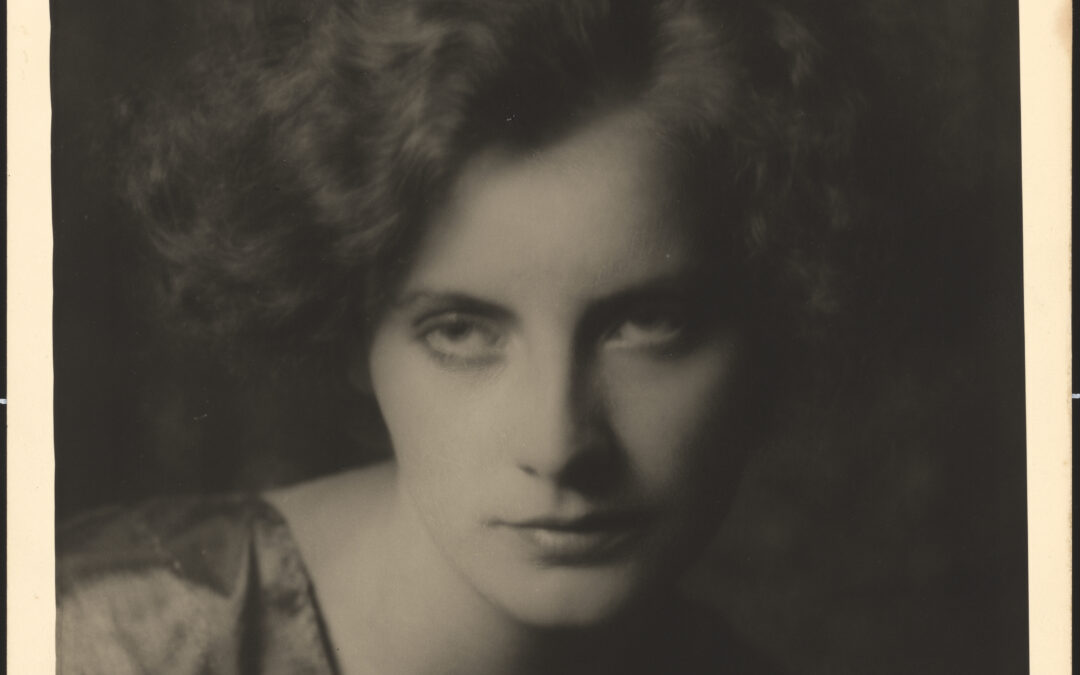
A new AI-generated Greta Garbo advertisement shows why artists and estates need contracts built specifically for synthetic identity, voice and posthumous performance.
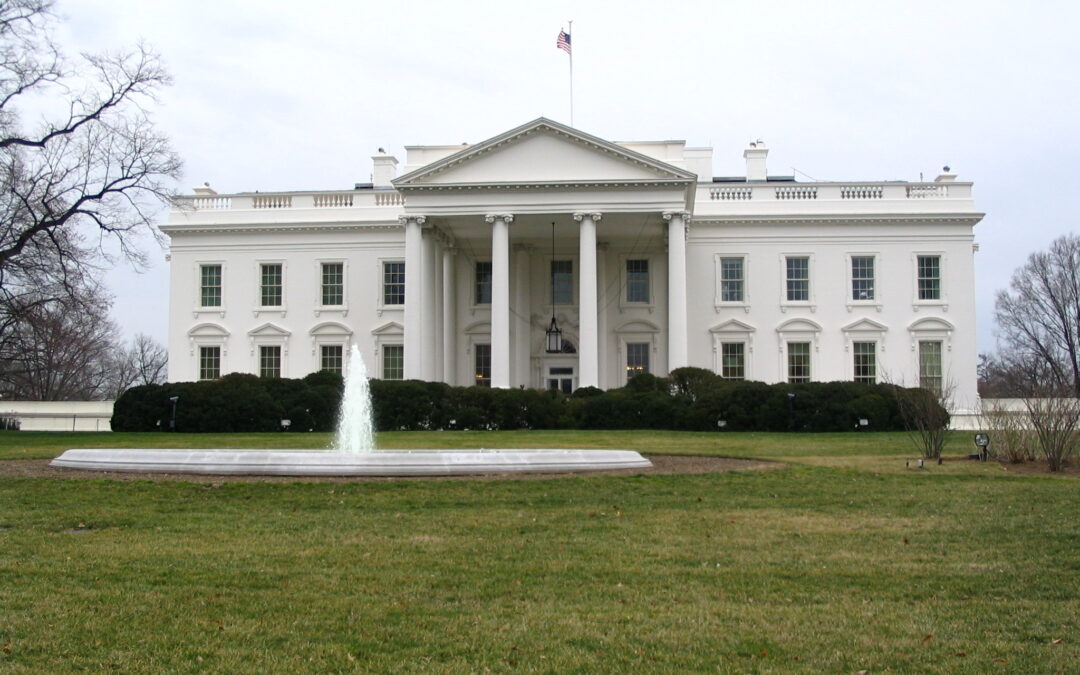
A new voluntary AI accord creates internal controls, outside evaluation, and board oversight—but leaves copyright, consent, compensation, and enforcement unresolved for artists.
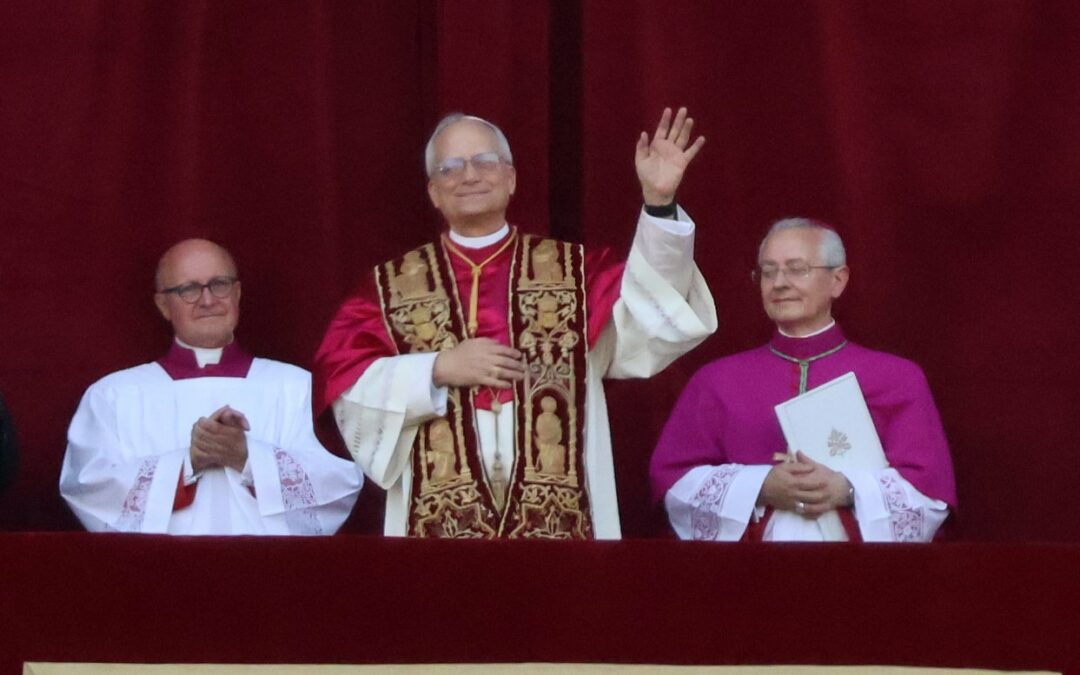
In a Vatican address to artists and curators, Pope Leo XIV argued for a distinction between human art and machine-generated production.
Brera’s AI-glasses pilot recognises eight paintings but delivers human-authored descriptions—a useful boundary for accessible museum technology.
A proposed U.S. evidence rule shows why creators should preserve source files, approvals and production histories before authenticity is disputed.
Spotify’s new badge separates synthetic identity from AI-made music—and connects disclosure to recommendation eligibility.
Grimes’ new video separates AI-generated elements from a 70-person human production—offering artists a useful model for transparent creative credits.
A publisher coalition’s new telemetry standard aims to show when AI agents retrieve, cite, present and profit from media content—and what that could mean for artists and cultural publishers.
DistroKid’s response to a lawsuit over alleged AI and copyright abuse has reportedly removed some human-made or licensed tracks, exposing a critical need for transparent appeals and artist-held proof of process.
A Dublin copyright conference places licensing, transparency and enforceable creator rights beside the AI industry’s growth agenda—and Ireland is unusually positioned to influence what comes next.
Denmark’s proposed deepfake law would protect faces, voices, performances, and creative work while preserving exceptions for satire and criticism.
Unapproved generative-AI use can expose manuscripts, images, rights records, and private relationships. A practical governance framework starts with visibility, usable tools, and clear red lines.
Italy’s competition authority is examining Suno’s user terms, including broad licenses, moral-rights waivers and US arbitration clauses. Here is what creators should check before uploading work to an AI platform.
Sony Music’s rapidly growing takedown count shows how AI impersonation, bulk uploads and fraudulent streams are converging—and what creators should document now.
A new AI-generated Greta Garbo advertisement shows why artists and estates need contracts built specifically for synthetic identity, voice and posthumous performance.
A new voluntary AI accord creates internal controls, outside evaluation, and board oversight—but leaves copyright, consent, compensation, and enforcement unresolved for artists.
In a Vatican address to artists and curators, Pope Leo XIV argued for a distinction between human art and machine-generated production.