
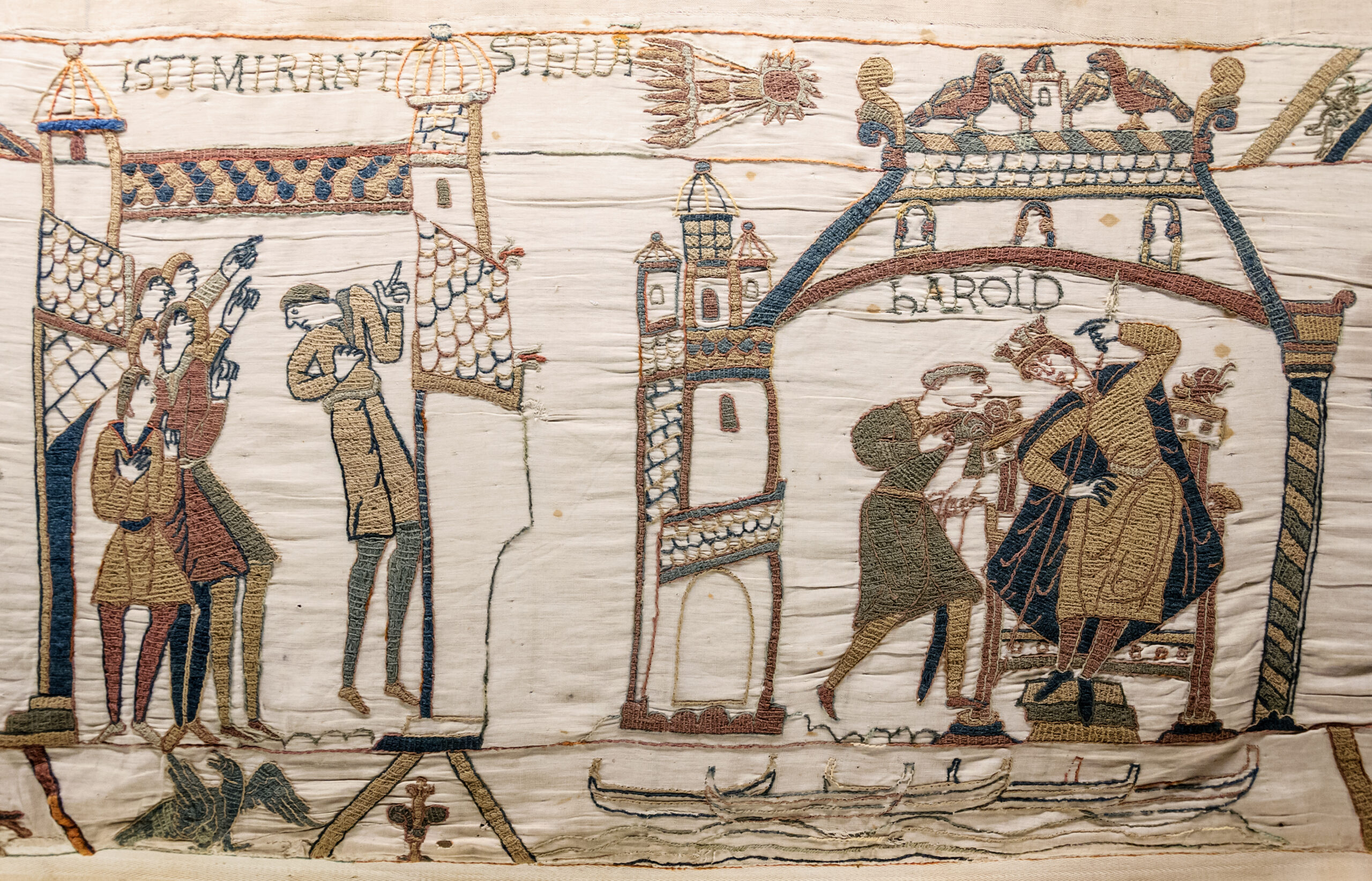

A dispute over access to the British Museum’s Bayeux Tapestry exhibition has placed a familiar museum problem in sharp focus: accessibility cannot be added at the end of a project like a caption card or a press release.
For artists, galleries, and independent curators, the lesson is practical. Access decisions shape who can experience the work, how long they can remain with it, and whether they feel invited to return. Planning early is usually less expensive, more coherent, and more creatively rewarding than retrofitting solutions after opening day.
Begin with the audience, not the checklist
Start by asking how a visitor encounters the work. Is the route step-free? Are seats available? Can someone understand the exhibition without reading small wall text or using a personal smartphone? Are quiet periods, rest points, and clear exits visible?
No single adjustment serves everyone. Accessibility is a set of choices developed with disabled people, not merely for them. Invite users with different access needs into the planning process while layouts, budgets, and interpretive materials can still change.
Write description as part of the artwork’s public life
Strong alt text and audio description identify what matters visually without pretending to be neutral. Begin with the overall image or space, then move toward significant details. Name color, scale, material, position, gesture, and atmosphere. Avoid interpreting every symbol for the listener; leave room for imagination and judgment.
For complex objects such as the Bayeux Tapestry, description may need structure: a short orientation, scene-by-scene audio, and a transcript that can be accessed before or during the visit. Artists can help by sharing material notes, process information, pronunciation guidance, and the elements they consider essential.
Use more than one channel
Digital tools can expand access, but they should not become a gate. Offer transcripts alongside audio, high-contrast text alongside QR codes, and staff-supported options alongside apps. Caption video and identify speakers. Test whether links, players, and documents work with keyboards and screen readers.
Tactile interpretation can be valuable when appropriate: raised diagrams, material samples, replicas, or handling objects may communicate scale and texture. These elements require conservation advice and clear hygiene and supervision plans, but they can also deepen the experience for sighted visitors.
Budget access as a production cost
Audio description, captioning, sign-language interpretation, large-print guides, seating, and access consultancy should appear in the first budget—not in a contingency line. Include access requirements in agreements with designers, videographers, web teams, and venues.
Build time for testing. Walk the route at the expected crowd level. Listen to the audio in the actual room. Check lighting at different times of day. Ask whether a visitor can find accessible information before traveling.
Make the invitation visible
Accessibility information is part of audience development. Publish it clearly on the exhibition page and in social posts. State what is available, what is not, whom to contact, and how quickly questions will be answered. Precision builds trust.
Artists often think of access as an institutional responsibility. It is also a creative one. The way a work is described, navigated, heard, touched, or paced becomes part of its public form. When access is planned from the beginning, it does not narrow an exhibition. It gives the work more ways to be present.