
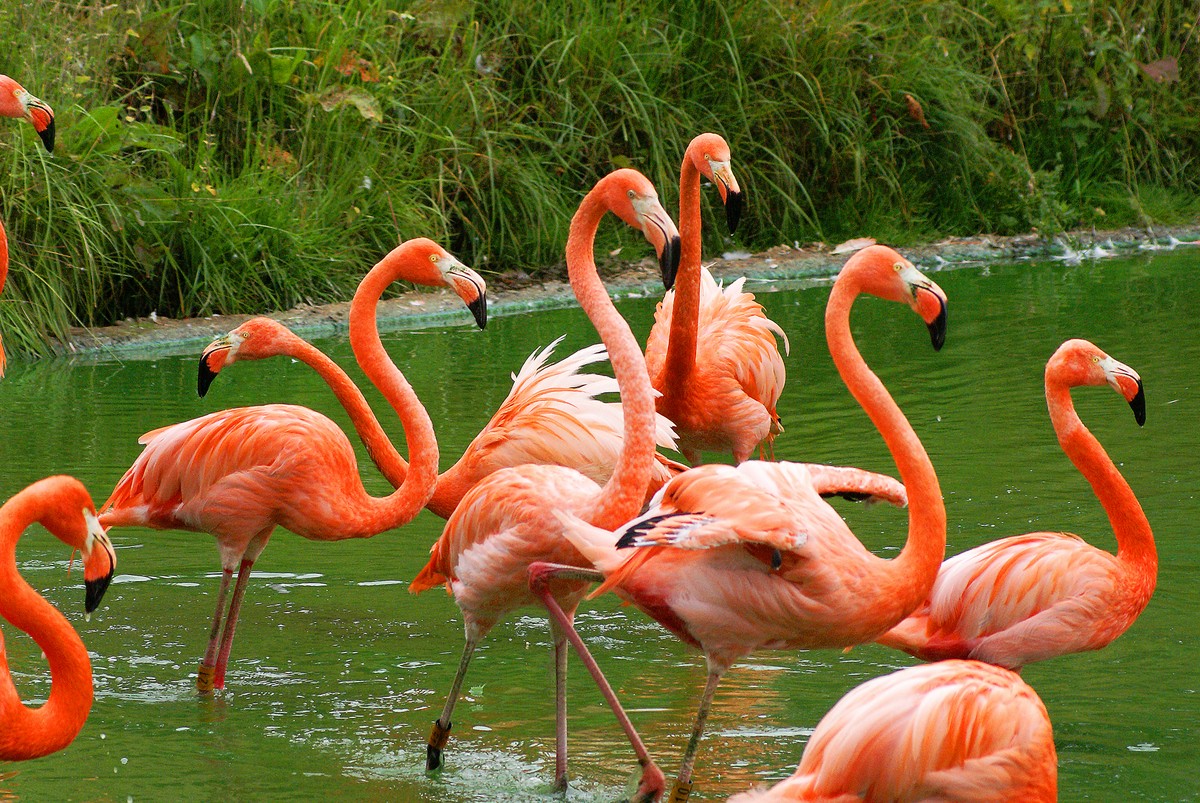

A rescued Caribbean flamingo named Bob has become the center of an environmental story that now travels through photography, education and conservation. Jasper Doest’s Meet Bob opened at the Siena Awards Photo Festival on October 10 and remains on view through November 29, 2026.
Bob’s public role began with an accident. After being rescued on Curaçao, he was treated by veterinarian Odette Doest. His injuries prevented a return to the wild, but his calm presence made another future possible: Bob began accompanying conservation education work, helping audiences connect the fate of a single bird with the pressures facing Caribbean wildlife and habitats.
From individual animal to environmental ambassador
Environmental crises are often communicated through scale—species decline, habitat loss, temperature records or damaged ecosystems. Those measures are necessary, but they can feel abstract. Meet Bob works in the opposite direction. It starts with one recognizable life and expands outward to veterinary care, human responsibility, education and the conditions that bring wildlife into contact with people.
Doest’s project follows the relationship between Bob and Odette, emphasizing empathy without pretending that affection alone solves ecological problems. The photographer describes the work as a story of two individuals whose dependence on each other produces wider change. Net proceeds from the related book support conservation and education in the Caribbean.
The Siena presentation places the project within an international photography festival devoted to visual storytelling. That context matters: the work is not only a wildlife portrait series. It is also an example of how a sustained documentary project can move between editorial publication, exhibition, book, public talk and fundraising without losing its central purpose.
What environmental artists can learn
The project offers a practical model for artists working with ecological subjects. First, build from a real relationship rather than a generalized cause. Access, trust and repeated observation create details that advocacy language cannot manufacture.
Second, make the pathway from attention to action explicit. Audiences should understand whether a purchase, visit or share supports a conservation partner, a research program or an educational initiative. Clear connections protect credibility.
Third, preserve complexity. Bob is charismatic, but the story does not turn him into a mascot detached from biology. His inability to return to the wild remains central. The project’s emotional appeal is grounded in the consequences of injury and the long-term labor of care.
Finally, design multiple formats around one body of research. A photograph can create recognition; a sequence can show change; a book can deepen context; an exhibition can bring strangers together; and a public program can direct that attention toward local action.
Bob’s story succeeds because it remains specific. One bird cannot represent every environmental crisis. But one carefully told life can make responsibility feel immediate—and can give a conservation message the time, visibility and emotional clarity it needs to travel.