
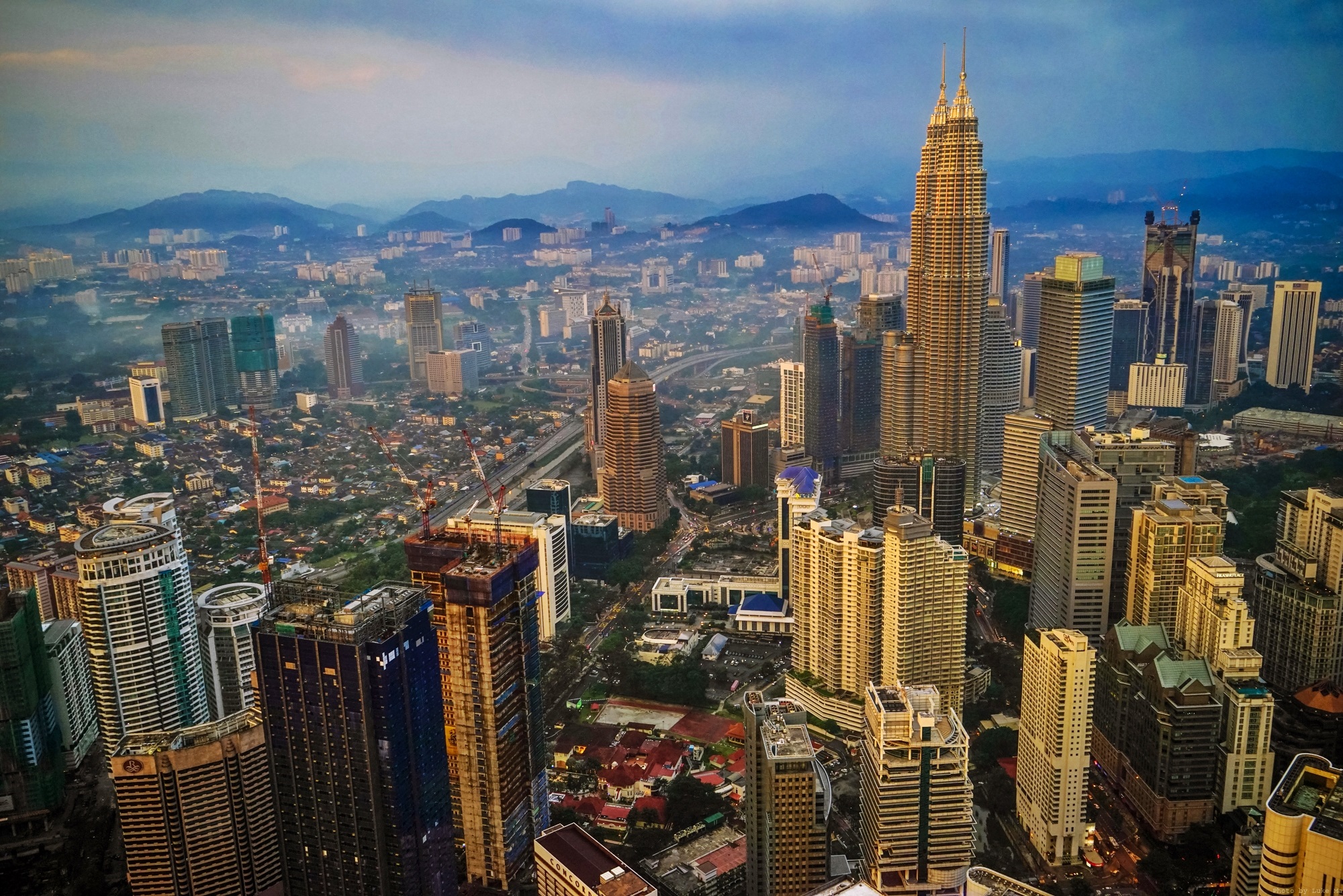

A new boutique fair in Kuala Lumpur is making a pointed argument about where Southeast Asian art should be seen. ART KL opens from October 15 to 18 at A Place Where, a repurposed printing factory in Bangsar, with ten regional galleries presenting artists born after 1990.
The fair describes itself as a platform that places younger and emerging practices at the center of the market rather than at its margins. Alongside gallery booths, its program includes site-responsive installations, talks and panel discussions. The format is deliberately compact, but its ambition is regional: to create a meeting point for galleries, artists, collectors and audiences across Southeast Asia.
A fair built around discovery
ART KL is co-founded by Richard Koh Fine Art’s advisory arm, the creative campus A Place Where and the young-artists platform Art Anonymous. The collaboration matters because it joins three functions that are often separated: market access, cultural venue-making and early-career visibility.
The setting also changes the experience. A former printing factory carries an industrial and civic history that a conventional convention center cannot reproduce. Site installations can respond to the building, while the smaller scale gives visitors a chance to look closely and speak directly with participating galleries. For an emerging artist, that quality of encounter can be more valuable than the anonymous traffic of a much larger fair.
Why Kuala Lumpur matters now
The fair arrives as Malaysia’s contemporary-art infrastructure is expanding through privately initiated projects. The Art Newspaper reported that a new nonprofit space, Muara Arts, is also preparing to open in a renovated shophouse in November. Together, these initiatives suggest an ecosystem developing through linked spaces rather than through a single flagship institution.
For collectors, ART KL offers a concentrated way to encounter practices that may be underrepresented in international fairs. For artists and galleries, it presents a model of regional cooperation that does not wait for recognition from established Western centers. The focus on artists born after 1990 makes the fair especially useful as a signal of which ideas, materials and visual languages are gathering momentum.
What to watch
The test will be whether the event can convert attention into sustained relationships: gallery representation, acquisitions, institutional invitations and repeat participation. A discovery fair succeeds when it does more than produce a lively opening weekend. It must help artists build durable networks and help collectors understand the context around the work.
ART KL’s combination of a manageable scale, a distinctive building and an emerging-artist mandate is a promising start. It positions Kuala Lumpur not as a peripheral stop, but as a place where the next phase of Southeast Asian contemporary art can be encountered on its own terms.