
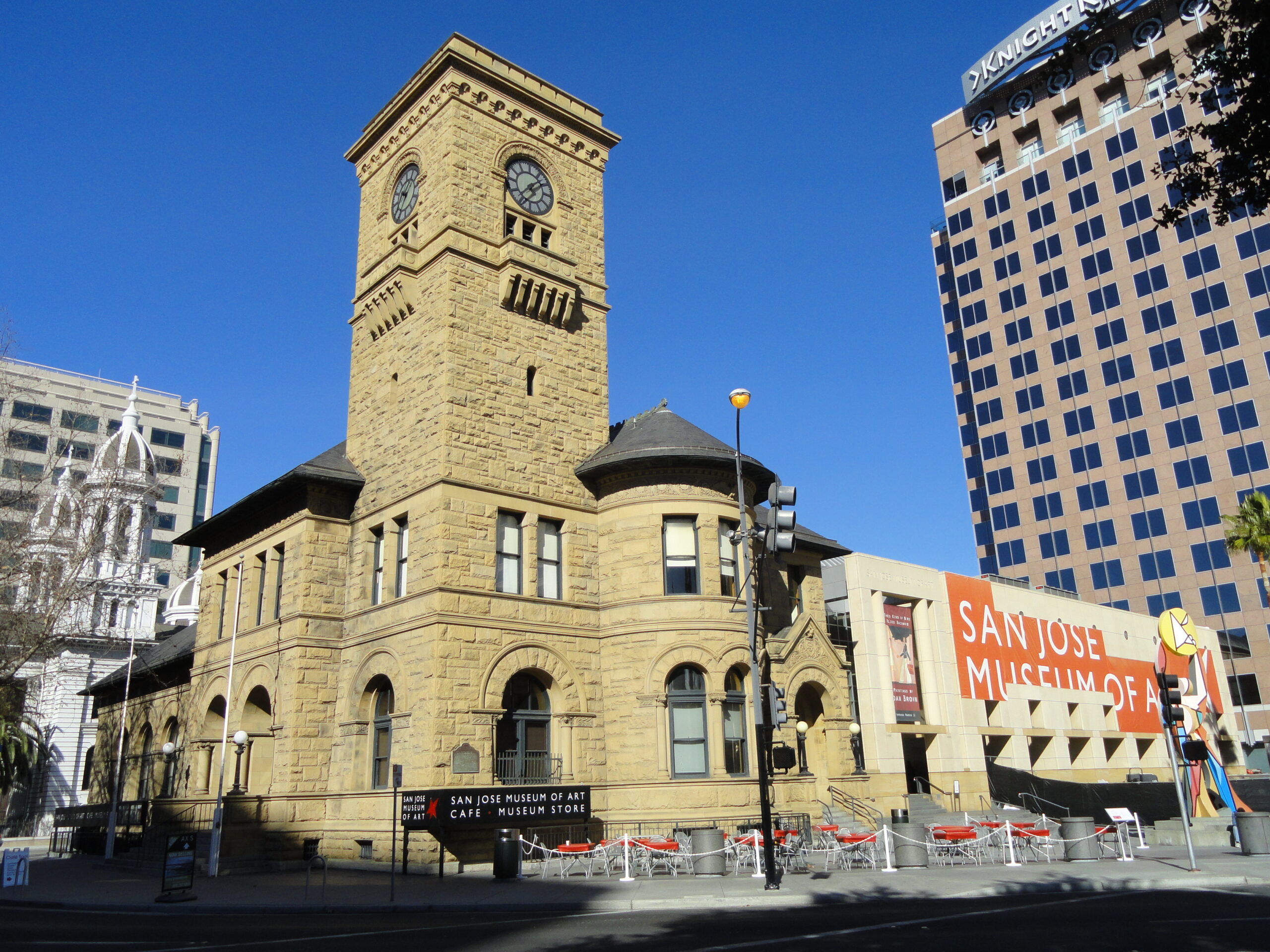

At the San José Museum of Art, a two-day climate symposium moved from case studies inside the museum to a field walk along Coyote Creek. Reimagining Our Waterways, held October 16–17, brought artists into direct conversation with scientists, civic officials, environmental practitioners, historians and community stewards.
The programme addressed drought, pollution, diverted waterways and climate change through projects that reconnect communities with the water systems they depend on. Its structure is the significant development: the museum did not present art as a commentary added after environmental decisions. It treated artists as participants in research, public dialogue and the design of alternatives.
From exhibition language to working methods
Case studies ranged from Futurefarmers’ research into changing Bay Area estuaries to Metabolic Studio’s long-running work around the Los Angeles River. The Ocean Memory Project showed an artist-founded collaboration involving marine scientists, public-health researchers and climate policymakers. Martha Atienza presented work on Bantayan Island in the Philippines, where ecological damage is inseparable from cultural loss, food security and community knowledge.
The second day took participants to Coyote Creek for a water ceremony, a watershed briefing, a restoration tour and an artist-led field walk with photographer QT Luong. Luong has photographed the creek more than 200 times over twelve years, creating an archive of a landscape that can otherwise remain overlooked.
That progression—from institution to site—is a model worth noticing. Climate art gains practical force when the audience encounters the system itself, meets people responsible for it and understands the duration of the work.
What artists can learn
First, environmental practice benefits from a clearly defined ecological relationship. “Water” is too broad until it becomes a particular creek, aquifer, shoreline or community need. Specificity makes it possible to identify collaborators, evidence and consequences.
Second, collaboration is not decoration. Scientists can help an artist avoid false claims; Indigenous and local knowledge holders can reveal histories absent from official data; civic staff can explain the constraints of implementation. Artists contribute ways of seeing, gathering and imagining that those systems may lack. The exchange works when each role remains visible.
Third, duration changes the work. Luong’s twelve-year photographic record and Metabolic Studio’s project, active since 2011, show why ecological art cannot always be judged by an opening night. Useful documentation should record weather, policy, community participation, failed experiments and maintenance as carefully as the finished image.
A stronger public role for cultural institutions
For museums, the symposium suggests a path beyond awareness campaigns. A cultural institution can convene groups that rarely share a room, provide public context for specialist work and move audiences between art and place. It can also credit the labour of local organisations rather than presenting climate response as an isolated artistic gesture.
The measure of success will be what continues after the event: new partnerships, accessible documentation, return visits to the waterway and projects with accountable community relationships. The most durable climate art does not simply picture an emergency. It changes who can participate in understanding and responding to it.