

Climate data can be exact and still feel distant. The 2026 RIXC Art Science Festival, opening October 22 in Riga, asks what happens when artists turn environmental sensing into an encounter that can be heard, entered and imagined.
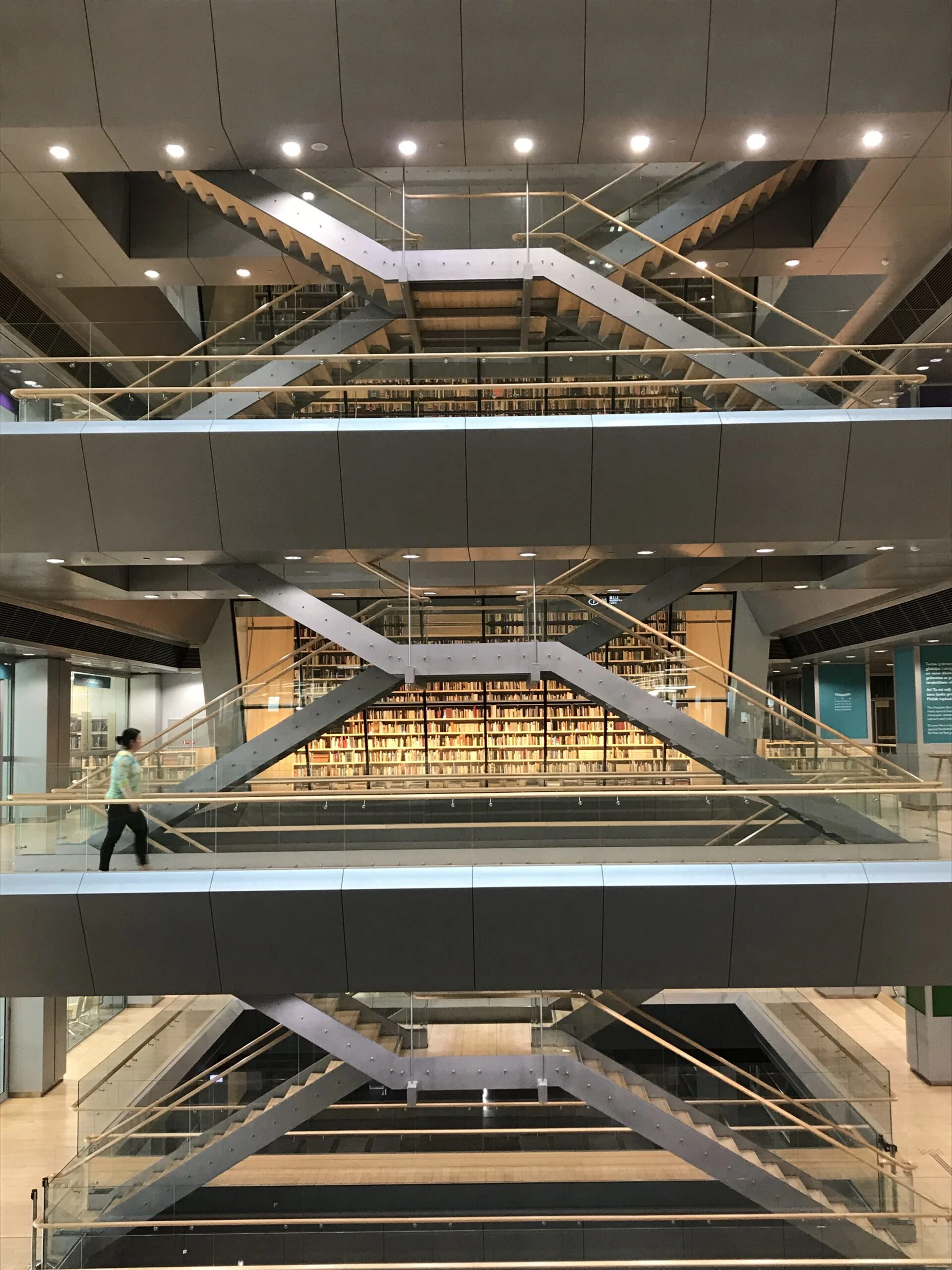
Climate Imagination brings together a symposium, participatory workshops and two exhibitions at the National Library of Latvia and RIXC Gallery. The central exhibition presents ten artworks by 18 local and international artists and remains on view through December 12.
From information to experience
The festival moves across climate data, Baltic Sea ecologies, plant and microbial life, atmospheric and oceanic systems, and the uneasy boundary between artificial and natural intelligence. Its methods include immersive media, extended reality, bio-art, sound, data visualization, environmental sensing and speculative design.
That range matters because environmental art is sometimes judged only by the information it communicates. RIXC treats perception itself as part of the work. A sensor reading can become sound. Ecological fieldwork can become an augmented-reality layer. A scientific process can be translated into an experience that makes scale, rhythm or interdependence newly perceptible.
The goal is not to replace science with feeling. It is to create forms through which evidence can enter public imagination. Climate change reshapes systems that are often invisible in daily life; artistic translation can make those relations tangible without simplifying them into a slogan.
The footprint of media art
RIXC also brings production methods into the discussion. A European Media Art Platform workshop examines ecological and sustainable formats for media art, including slow travel, extended fieldwork and digital translations of environmental data.
That self-scrutiny is essential. Immersive installations, projection, networked systems and computation all require energy, hardware and travel. An artwork about environmental responsibility cannot assume its own material footprint is outside the frame.
For artists working with technology, the useful question is not whether digital practice can become impact-free. It cannot. The better question is where impact can be measured, reduced, shared or made accountable. Can equipment be rented locally? Can a work tour without the artist flying each time? Can a project operate at a lower resolution or shorter runtime without losing meaning? Can field data be gathered through a sustained local collaboration rather than an extractive visit?
Imagination as infrastructure
“Climate imagination” can sound abstract, but the festival gives it a practical meaning. Communities act within the futures they can picture. Art can widen that field by making unfamiliar relationships visible: between ocean data and urban life, microbial systems and human decisions, technological convenience and material cost.
The strongest ecological art does not ask viewers merely to admire a green theme. It changes the terms of attention. It can reveal that an atmosphere is not background, a forest is not scenery and data is not neutral once it enters political and cultural life.
In Riga, that work begins with a simple proposition: environmental change must be measured, but it must also be imagined. The challenge for artists is to make that imagination rigorous enough to inform action—and honest enough to include the footprint of the art itself.