
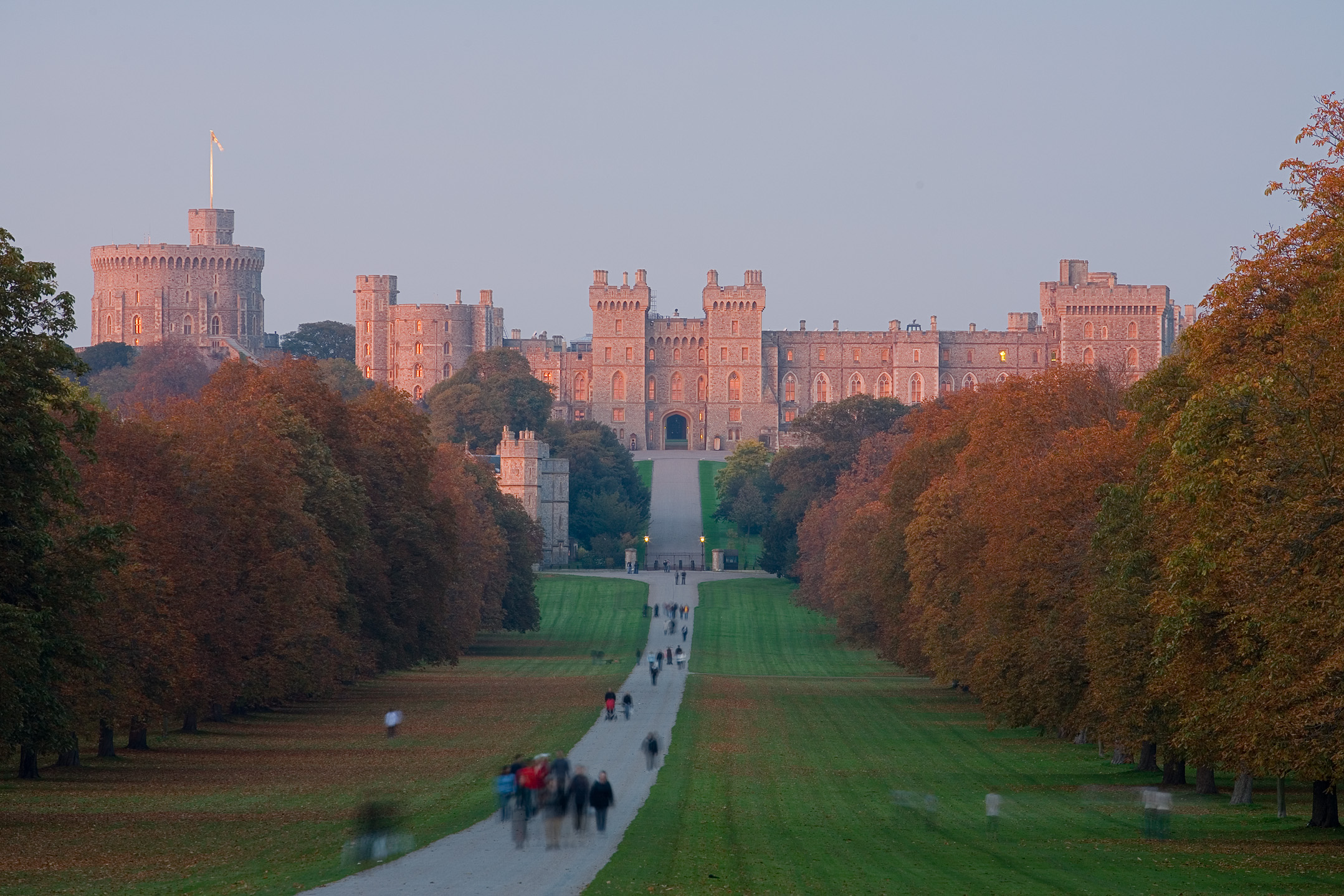

Sir Donald Insall spent a lifetime arguing that an old building should not be frozen into silence. It should continue to work, change and belong to the people around it. That conviction helped transform architectural conservation in Britain—and guided the recovery of Windsor Castle after the devastating fire of 1992.
Insall, whose death at 100 was announced this month, leaves more than restored facades. He leaves a way of seeing: historic places as living structures whose future depends on adaptation as much as protection.
From repair to “lively continuity”
When Insall founded his practice in 1958, postwar redevelopment was clearing large areas of historic urban fabric. Conservation was often treated as resistance to progress. He reframed it as a discipline capable of helping cities evolve without losing the evidence of their past.
His phrase “lively continuity” captured the balance. A building could accept new services, uses and interventions while keeping the character that made it valuable. The aim was neither imitation nor museum-like stasis, but an intelligible conversation between periods.
Insall once made the distinction memorably: “Preservation is what you do for marmalade.” Conservation, by contrast, required judgment—knowing what must remain, what could change and how new work might extend a building’s life.
A city becomes the argument
His 1968 study of Chester became a landmark. Rather than isolating a handful of monuments, the report treated streets, views, scale and everyday buildings as a connected historic environment. Its influence reached beyond one city as local conservation practice expanded across Britain.
That wider lens mattered. It suggested that heritage is not only a collection of masterpieces; it is also the pattern that allows people to recognize a place. Conservation officers and local authorities could use that understanding as a practical planning tool.
Windsor after the fire
The 1992 fire at Windsor Castle created one of the defining tests of Insall’s approach. The damage was immense, and restoration required historical research, traditional craft and contemporary technical decisions to operate together.
Insall served as the restoration architect. The work did not simply reconstruct a vanished moment. It repaired historic rooms, conserved surviving fabric and allowed carefully judged new design where loss made literal replication impossible. The castle reopened five years after the fire.
A profession changed by practice
Insall was a founding commissioner of English Heritage in 1984 and was knighted in 2010. Yet the most enduring evidence of his influence lies in the ordinary professional habits that his work helped normalize: surveying before drawing, understanding significance before intervening, employing skilled craftspeople and planning for continued use.
Those habits carry lessons for artists as well as architects. Restoration is a creative act constrained by evidence. It demands humility toward another maker’s work, but it also demands the courage to decide what the present should contribute.
The future inside the past
Insall continued working into his final years. That longevity feels appropriate for an architect devoted to long lives—not only his own, but those of buildings repeatedly renewed by care.
His extraordinary story is ultimately not about saving the past from time. It is about giving the past enough resilience to enter the future. Every restored building that remains useful, recognizable and alive carries a trace of that idea.