
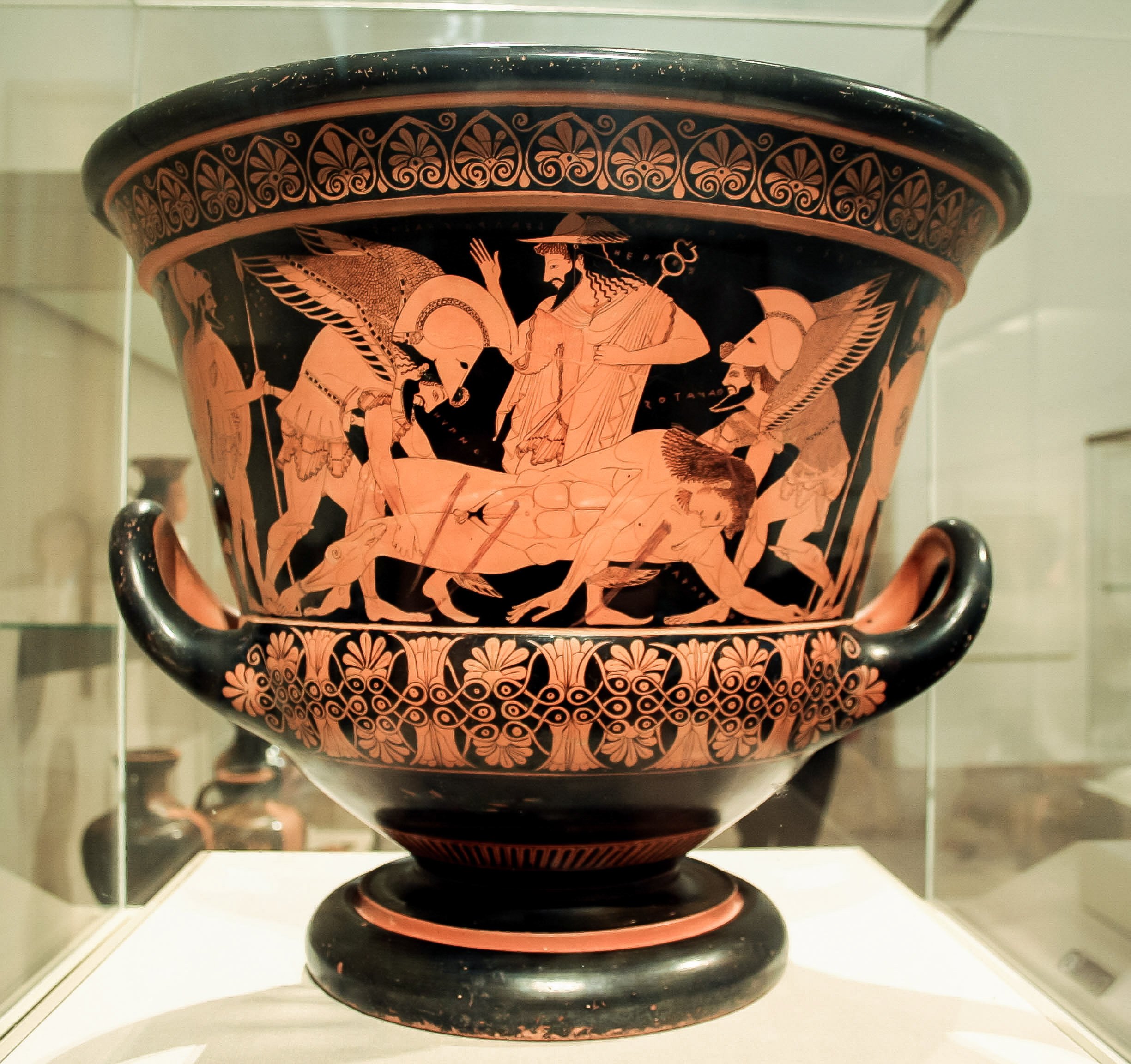

A new data view of cultural restitution is changing the scale of the conversation. The Museum of Looted Antiquities now says its dataset records 1,870 repatriation cases involving nearly 1.2 million looted or stolen objects. The figure is preliminary, but it makes one point impossible to ignore: returns are not a handful of exceptional gestures. They form a global history large enough to study as a system.
The project defines looted antiquities broadly. Its records include objects illegally excavated, taken during colonial conflicts, stolen from documented collections, or removed from Indigenous communities without permission. Ancient objects dominate, but ethnographic and other cultural goods are included when they share the same essential trajectory—unconsented removal, trafficking and eventual return.
A database that shows routes, not only objects
The most valuable part of the project may be its structure. Each repatriation case can carry more than three dozen fields, from the object and its country of origin to the market pathway it followed and the reason it was returned. By connecting those details, the database can reveal repeated dealers, institutions, legal mechanisms and routes that would be harder to see in isolated announcements.
That matters to museums and collectors, but also to artists. Provenance is a creative subject as well as an administrative one. Contemporary artists often work with archives, inherited materials and contested histories. A searchable restitution record offers evidence about how objects move, how authority is asserted, and how institutional language changes when possession is challenged.
The project is candid about its limits. Its totals are subject to revision, some records are incomplete, and coverage is uneven. The methodology notes a stronger historical focus on North American collections and contemporary antiquities trafficking, while returns connected to colonial spoils and Indigenous communities are still being expanded. Sensitive photographs may be omitted to respect descendants and cultural protocols.
Why the caveats strengthen the work
Those limitations do not make the database less useful; they make it more legible. Restitution data cannot be treated like an auction price index. One case may represent a single major work, another thousands of archival or archaeological fragments. A missing photograph may reflect an ethical choice. A changed total may mean a corrected record rather than a changing historical truth.
For cultural institutions, the project raises the standard for public accountability. A return should be understood alongside its acquisition history, legal basis, research trail and relationship with the community of origin. For researchers and journalists, the dataset creates a starting point that can be tested against court records, institutional statements and source-country documentation.
For artists, the wider implication is that provenance is becoming public infrastructure. The story of an object no longer ends at the museum label or collection database. It can be reconstructed across jurisdictions and decades, then compared with thousands of other journeys.
The Museum of Looted Antiquities does not present its figures as a final ledger. It presents them as a growing record of what has already been returned and what the art world still needs to understand. At nearly 1.2 million objects, that record is already too large to remain at the margins.