
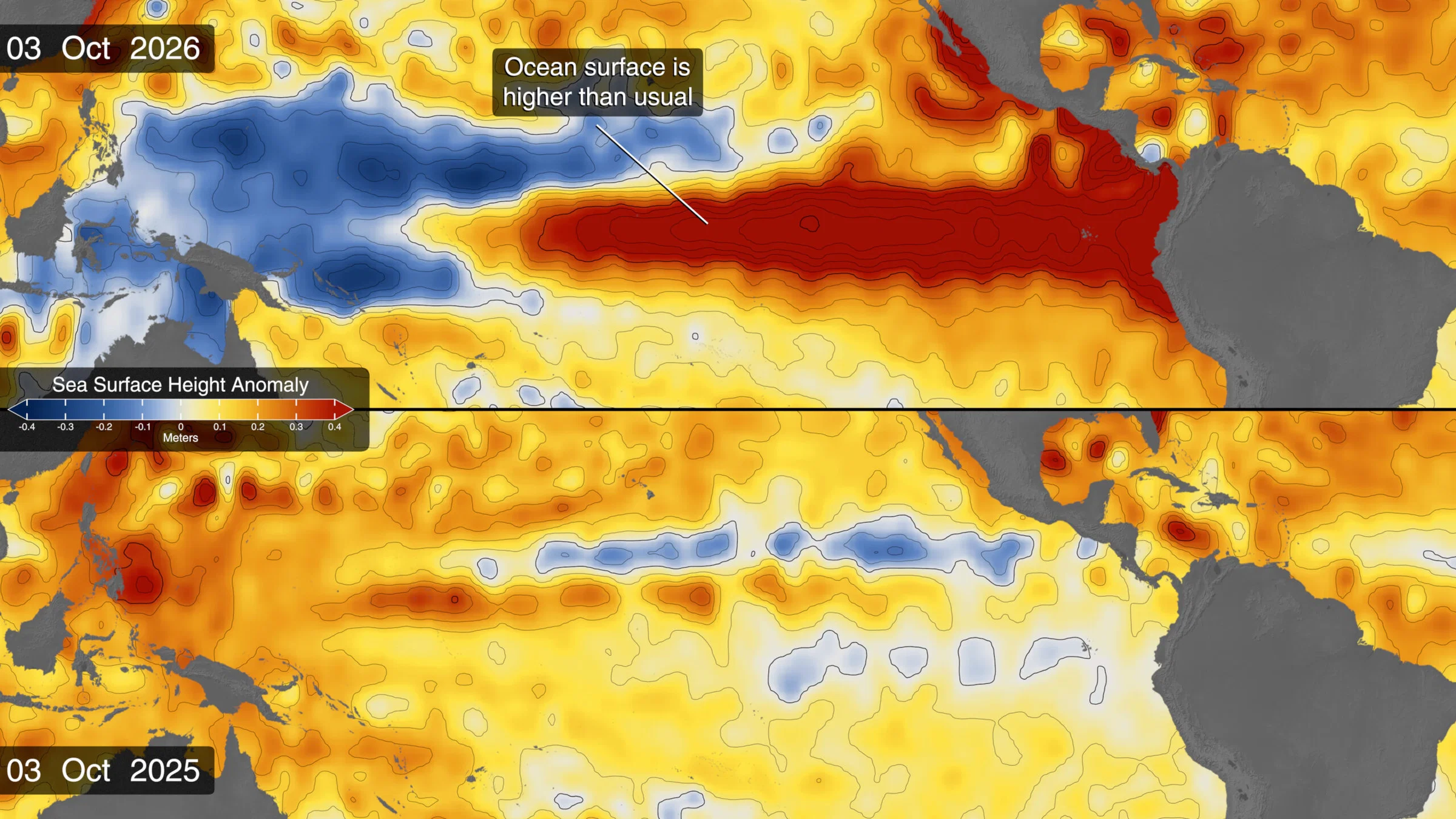

El Niño is usually discussed through weather maps, harvests and infrastructure. UNESCO’s Culture × El Niño initiative adds another field to the risk picture: museums, archives, artists’ studios, archaeological sites, cultural landscapes and living traditions.
UNESCO says more than 500 culture professionals and public officials joined regional preparedness sessions held from October 2 to 5 across Latin America and the Caribbean, Africa and the Asia-Pacific. A further seminar in Havana on October 13 focused on lessons for cultural resilience. The program is part of a wider campaign for the 2026–2027 El Niño event.
Why a climate pattern becomes a cultural emergency
El Niño begins with unusual warming in the central and eastern equatorial Pacific, but its effects travel. Shifts in rainfall, heat and storm patterns can intensify floods, drought, landslides and wildfire. UNESCO warns that these hazards can damage buildings, collections, archives and cultural landscapes while disrupting tourism, creative livelihoods and practices sustained by communities.
The vulnerability is not limited to famous heritage sites. A painter’s ground-floor studio, a community archive without climate control, or a craft practice dependent on local plant material can all be exposed. When access roads fail, power is interrupted or water enters storage, cultural loss can happen long before an institution is formally declared a disaster site.
Preparedness starts with a realistic inventory
UNESCO’s campaign emphasizes anticipatory action and a readiness check for institutions and sites. Artists can apply the same logic at studio scale. Identify what is irreplaceable, what can be moved quickly, and what needs specialized handling. Photograph works and storage areas, maintain current location lists, and keep duplicate records away from the primary workspace.
Plan for the specific hazards likely in the area. Flood preparation may mean raising work from the floor, checking drainage and identifying safe temporary storage. Heat and drought can require attention to ventilation, fire risk and materials that become unstable. Storm planning should include contact trees, power contingencies and a decision about when staff should stop attempting a rescue.
Digital preparation matters as well. Keep more than one backup, test that files can be restored, and preserve the metadata needed to connect images with physical works. Insurance schedules, loan records, condition reports and emergency contacts should be accessible without relying on the studio’s local network.
Culture belongs in the wider response
UNESCO is working with the United Nations Office for Disaster Risk Reduction, ICCROM, ICOM and the Smithsonian Institution, and has mobilized its Heritage Emergency Fund for preparedness activity in Ecuador, Peru and Timor-Leste. The value of that coordination is strategic: cultural institutions need to appear in risk assessments, early-warning systems and emergency plans before a crisis.
Artists and local cultural groups can strengthen that connection by mapping community knowledge. People who safeguard living heritage often understand seasonal water, fire behavior, safe routes and vulnerable materials in ways a central plan may overlook. Preparedness works best when technical forecasts and local knowledge inform one another.
The central message is simple but urgent. Cultural protection cannot begin after the water rises or smoke enters the archive. El Niño preparedness is not separate from the creative mission; it is the work required to ensure that objects, practices and the people who sustain them can continue.