

Tate has received a 50-work gift that expands the story of British art beyond Britain. Donated by art historian and collector Charles Greig, the group includes works made in India during the eighteenth and nineteenth centuries by Indian and European artists working across courts, colonial networks and changing systems of patronage.
The acquisition is significant not simply because of its size, but because of what it changes. Tate’s historic British collection has long been structured around artists, institutions and markets centered in Britain. The Greig gift brings in paintings and works on paper that make imperial exchange, Indian patronage and local artistic agency harder to treat as peripheral.
A collection shaped across cultures
The group includes works associated with Indian artists such as Sita Ram and Ghulam Ali Khan, alongside European artists including Johann Zoffany, Rudolf Swoboda, Thomas Daniell and William Daniell. Some of these artists traveled between regions and courts; others worked within Indian traditions that adapted to new patrons, materials and documentary demands.
Art once labeled simply as “Company painting” has often been interpreted primarily through the Europeans who commissioned it. That label can flatten the decisions of Indian artists who negotiated observation, inherited technique, workshop practice and the expectations of unfamiliar clients. Bringing named Indian makers into a national museum collection creates an opportunity to ask who authored the image, who shaped its visual language and whose knowledge it preserves.
The gift also complicates the category of British art. A work can be tied to British imperial history without being reducible to British authorship. It can document unequal power while still carrying the skill, judgment and cultural specificity of the person who made it.
Acquisition is only the first step
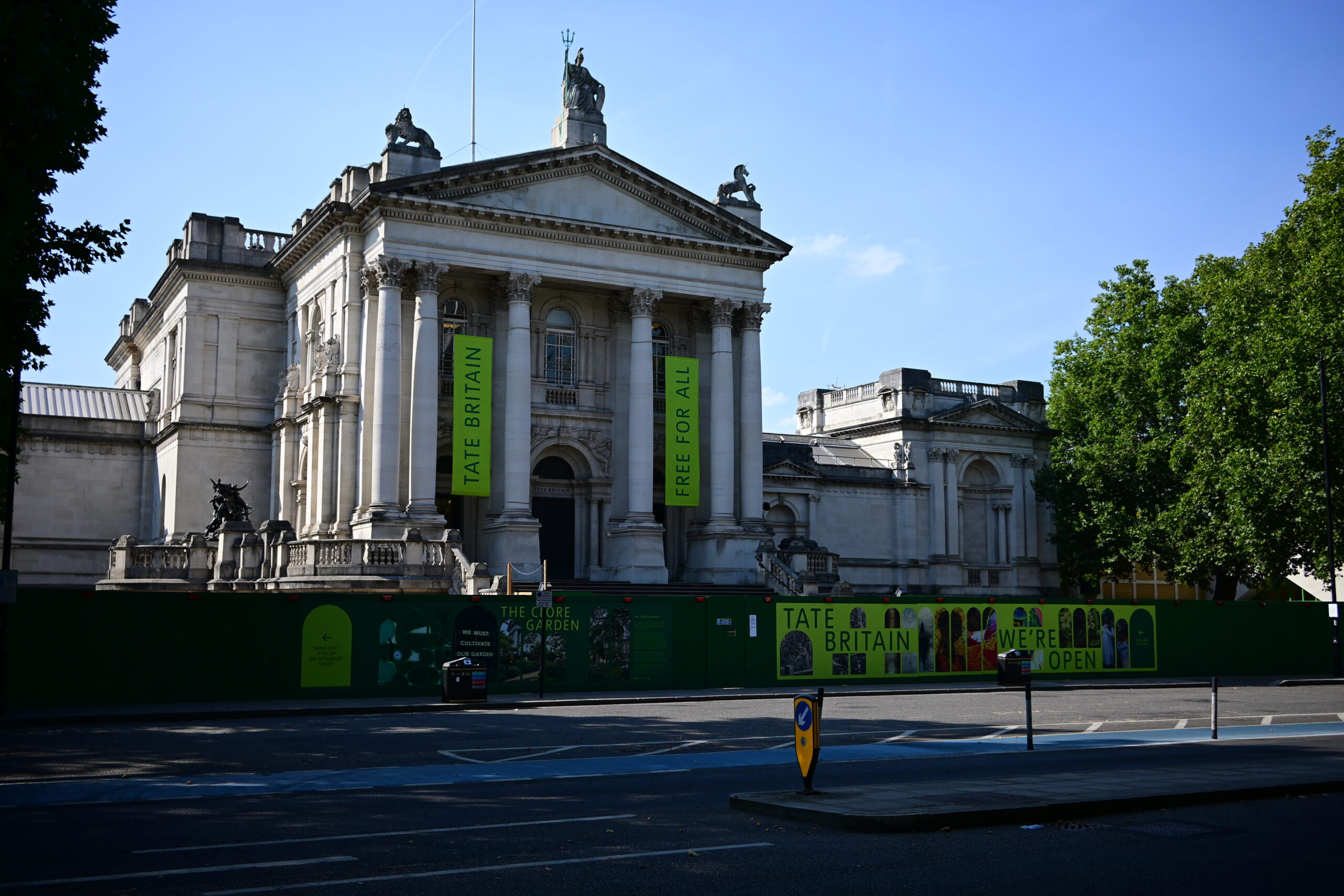
Tate plans a free display of the works at Tate Britain in 2028. Before then, the institution has time to address the questions that determine whether an acquisition genuinely broadens art history: how artists are named, how patrons and power are described, how provenance is presented, and whether Indian scholarship is embedded in interpretation rather than added at the margins.
For audiences, the strongest presentation will resist two easy narratives. One would celebrate cultural exchange without acknowledging the colonial structures that enabled and constrained it. The other would treat every object only as evidence of empire, leaving little room for artistic intelligence, adaptation and individual practice. The works deserve both historical clarity and close visual attention.
For contemporary artists, the acquisition carries a quieter lesson about archives and attribution. Categories created by collectors and museums can outlive the circumstances that produced them. Names disappear when records privilege patrons, schools or markets over makers. Reconstructing authorship requires patient research and a willingness to revise the collection’s organizing story.
A national collection changes by changing its frame
Museums often describe major gifts as additions. This one is more consequential if it becomes a correction. It asks Tate to show that British art was never formed in isolation and that the visual history of empire includes creators whose work cannot be understood through a single national lens.
The collection will not resolve the larger debate over how museums represent colonial histories. But 50 works can alter the evidence available to scholars and the questions visible to the public. When the display opens, its measure will be whether visitors encounter a wider cast of artists—and a more exact account of how their worlds were connected.