
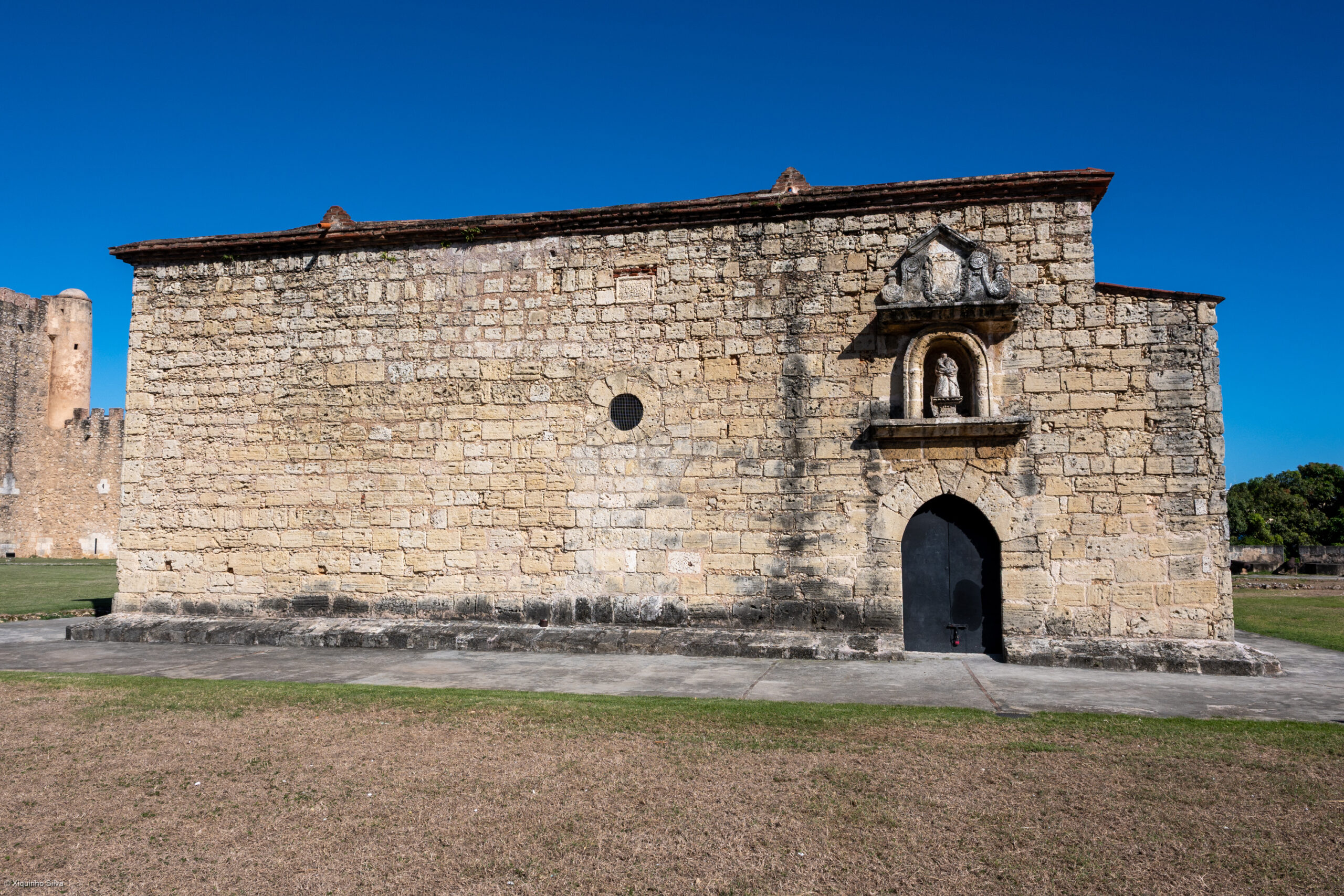

Climate planning for cultural heritage is moving from broad principle to a living city. UNESCO and the advisory bodies to the World Heritage Committee are testing a new Climate Action Toolkit in the Colonial City of Santo Domingo, the first cultural property and the first site in Latin America and the Caribbean to enter the pilot.
The process runs from September through November 2026 and included an in-person workshop from October 5 to 9. It brings heritage conservation into the same working conversation as climate science, urban planning, disaster risk and community knowledge.
From reacting to anticipating
The Colonial City faces hurricanes, heavy rainfall and flooding. These hazards are not abstract future possibilities; they intersect with historic buildings, streets, public spaces, collections, residents and the daily life of an urban center.
UNESCO’s toolkit asks managers to identify the attributes that carry a site’s cultural value, assess how climate hazards may affect them, and incorporate adaptation and mitigation into ordinary planning. That is a shift from emergency response after damage toward decisions made before the next event.
The pilot used climate projections, field visits, scientific information and local knowledge. Ten practical exercises tested whether the draft methodology could work in a complex historic city where responsibilities are distributed across multiple institutions.
Why this matters beyond monuments
Cultural heritage is often pictured as architecture, but climate risk also affects murals, sculpture, archives, craft traditions, studios and public artworks. A flooded street can cut access to a museum. Persistent humidity can change conservation conditions. Emergency repairs can alter historic materials. Repeated disruption can displace the communities whose practices give a place meaning.
Artists and cultural organizations therefore belong in climate planning before a disaster. Public-art contracts can address drainage, wind loads, heat, maintenance access and emergency removal. Studios and archives can map water entry points, document holdings and establish off-site records. Museums can identify which objects and digital files move first when time is limited.
The lesson from Santo Domingo is not that every institution needs the same checklist. It is that risk assessment should connect physical vulnerability to cultural value. Protecting a roof matters because of the people, works and histories beneath it.
A living city is the harder test
A heritage site is not a sealed display. Residents, businesses, visitors, infrastructure and conservation rules can have competing needs. Adaptation measures that protect one building may redirect water elsewhere. Cooling, barriers or material changes can affect access and appearance. Scientific projections must therefore be joined with local experience and clear responsibility.
That makes the Santo Domingo pilot especially useful. A methodology that works only for isolated monuments would miss the institutional coordination required in a living historic center. UNESCO says participants intend to use the results to advance a Climate Action Plan for the Colonial City, while lessons from the pilot will refine the toolkit for future sites.
Culture is part of climate resilience
The toolkit is still a Zero Draft. It has not yet become a universal standard, and a plan alone cannot supply the funding, staffing or political authority needed for adaptation. Its value lies in turning a general commitment into a repeatable process: define what matters, identify hazards, test vulnerabilities, assign action and revisit the evidence.
For the cultural sector, that process changes the question. Instead of asking how to restore heritage after climate damage, institutions can ask which losses are preventable now. The answer will be different in every place, but waiting for certainty is itself a decision—usually the most expensive one.