

An art material can have a reassuring front label and still require serious controls in the studio. “Non-toxic,” “natural” and “low odor” are not complete safety plans. The document that tells an artist how a product behaves, what exposure can do and how to respond in an emergency is the Safety Data Sheet.
For paints, solvents, resins, adhesives, patinas, cleaning agents and powdered materials, the sheet should be treated as part of the tool kit. It is not only for factories or universities. Independent artists often work in rooms never designed for chemical processes, store several products together and use them for years. A small, organized system can prevent guesswork.
Read the sections that change a decision
Under the standard format used in the United States and aligned with the Globally Harmonized System, a Safety Data Sheet has 16 sections. Start with identification and hazard statements, then go directly to first aid, accidental release, handling and storage, exposure controls and personal protection, stability and reactivity, and toxicological information.
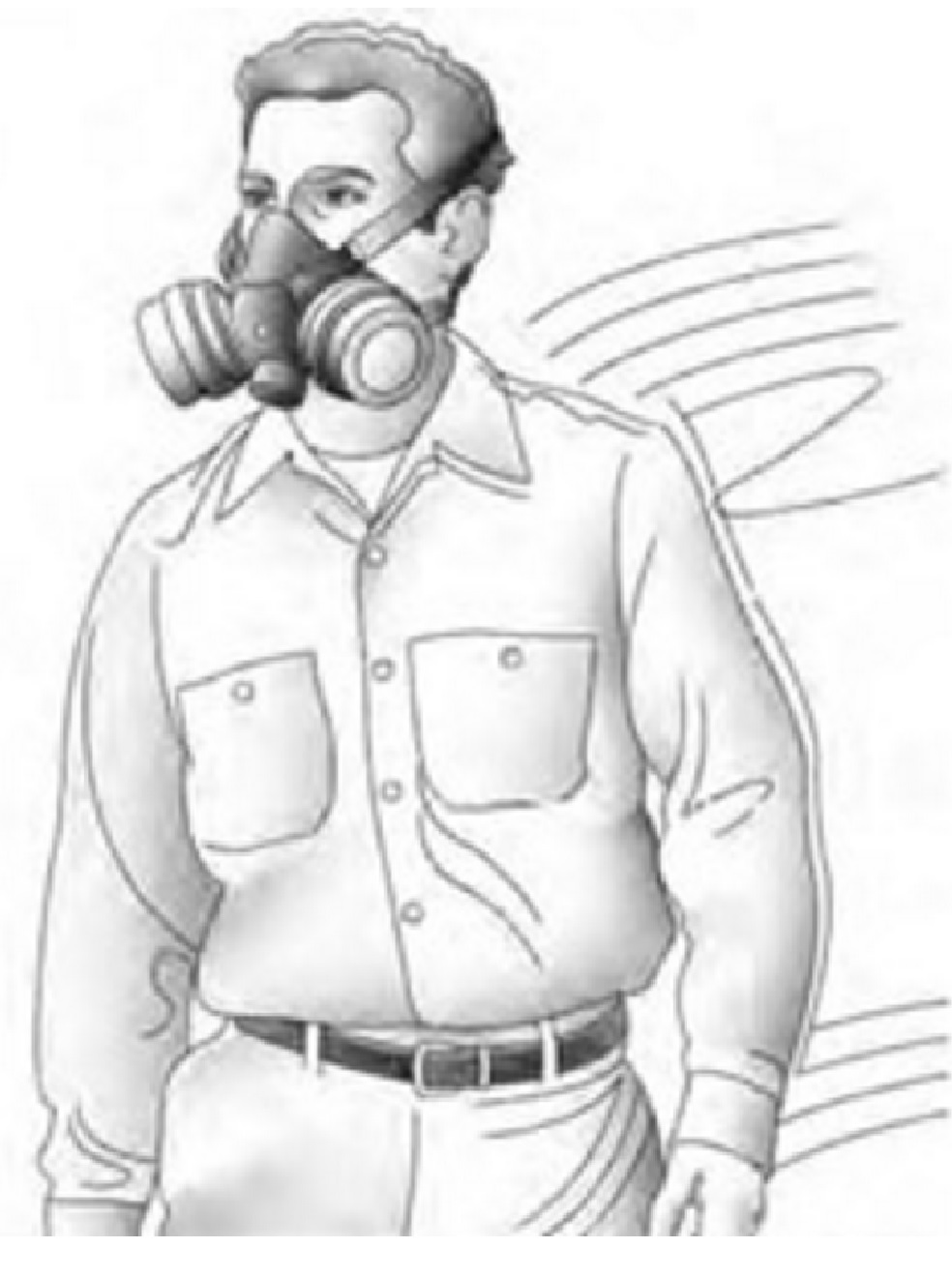
Section 8 is especially important. It may specify the type of ventilation, gloves, eye protection or respiratory protection required. “Wear a respirator” is not a complete instruction. Different filters and cartridges are designed for different hazards, and a facepiece that does not seal provides unreliable protection. Respirators also require correct selection, fit and maintenance; they should not be used as a substitute for eliminating a hazard or providing effective local exhaust.
Section 7 can change how products are stored. Materials that appear harmless when separated may react when combined. Section 10 identifies incompatible substances and conditions to avoid. Section 4 records first-aid measures, while Section 6 explains spill response. Those pages should be readable before an incident, not discovered while someone is already exposed.
Build a studio register
Create a list of every chemical product in the studio, including brand, exact product name, purchase date and storage location. Download the current Safety Data Sheet from the manufacturer and keep a digital copy in a clearly named folder. A printed set should remain accessible if power or internet service fails.
Remove products you cannot identify. Do not pour a chemical into an unmarked jar or reuse a food container. If you transfer a working quantity, label it immediately with the product name and essential hazard information. Keep original labels intact and date any mixture you prepare yourself.
Review the register when a process changes. Switching from brush application to spraying can turn a liquid hazard into an inhalation hazard. Sanding a cured resin or dry pigment can create airborne particles even when the original material was handled safely. Heating can produce decomposition products not present at room temperature.
Odor is not a measuring instrument
Some harmful exposures cannot be smelled; some strong smells occur below hazardous levels. Opening a window may improve comfort without controlling exposure at the source. Local exhaust should capture vapor, dust or fume before it reaches the breathing zone. Fans that simply move contaminated air across the room can spread the problem.
A 2025 NIOSH evaluation of a ceramics and visual-arts studio illustrates why surfaces matter too. The investigators did not detect hazardous airborne levels during sampling, but found metals on every surface tested and recommended better cleaning, labeling, storage, ventilation assessment and protective-equipment practices. Dry sweeping and compressed air can make settled dust airborne again; wet methods or a suitable filtered vacuum are often safer.
Match protection to the material
Gloves are not interchangeable. A glove that resists one solvent may allow another to pass through quickly. Check the manufacturer’s compatibility information and the Safety Data Sheet rather than relying on color or thickness. Eye protection should fit the task: ordinary glasses do not replace splash goggles, and a face shield usually supplements rather than replaces them.
Keep food, drink and cosmetics out of the work area. Wash hands before leaving. Store work clothing separately when materials could be carried home on fabric or shoes. Artists who are pregnant, trying to conceive or breastfeeding should review solvent, metal and other exposures with an occupational-health professional; the absence of a strong smell does not establish safety.
The goal is not to make artists afraid of materials. It is to make each material legible. A Safety Data Sheet is useful only when it changes how a product is chosen, stored, ventilated, cleaned and discarded. Good studio practice begins before the container is opened.