

An artwork can be fully insured, carefully packed and correctly labeled—and still be delayed at a border because no one established how it would enter the country temporarily.
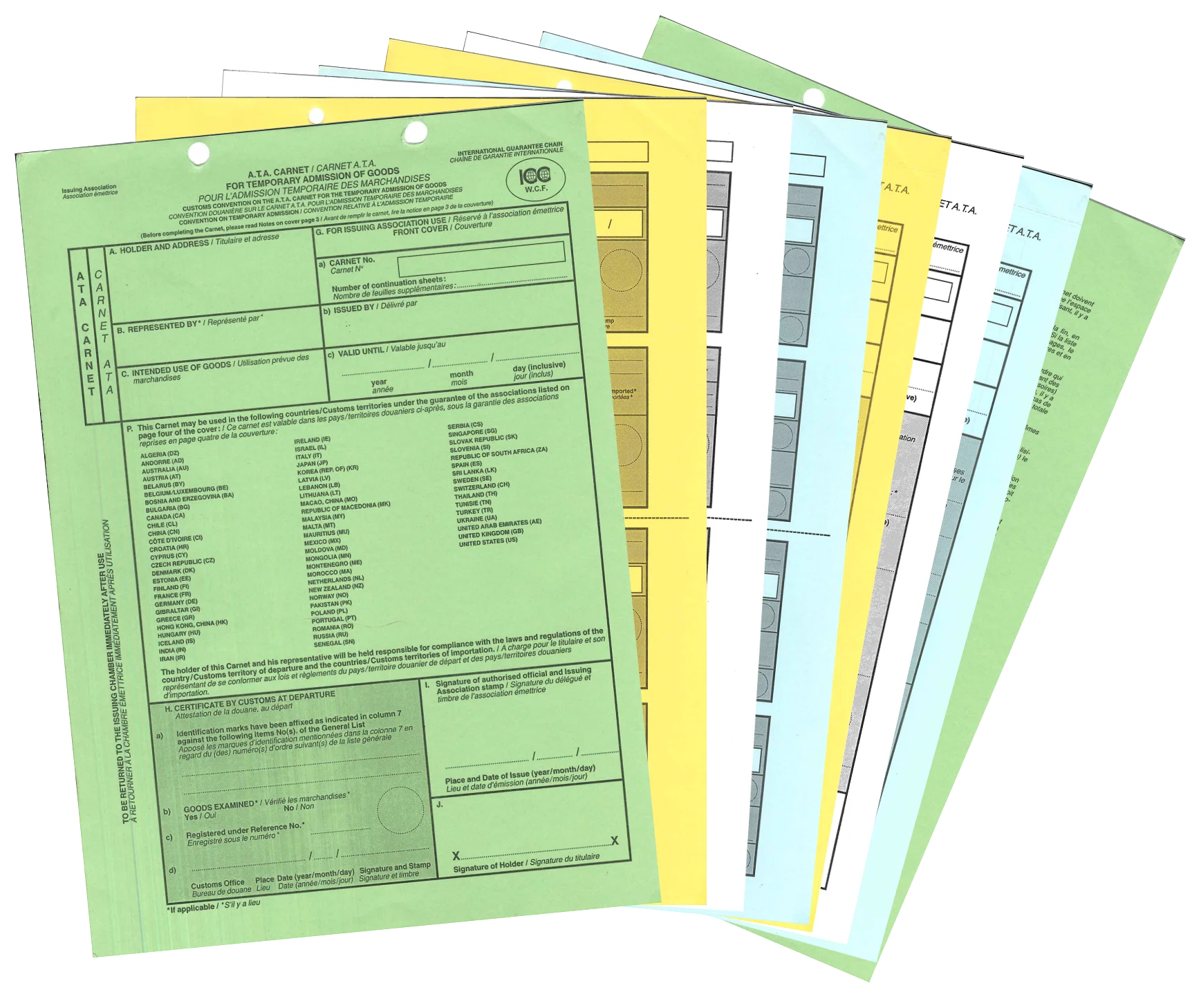
For artists taking work abroad for an exhibition, demonstration or professional project, an ATA Carnet can function as a passport for goods. It simplifies temporary import and export procedures and can replace the need to pay duties or lodge separate deposits at each participating border. It does not replace preparation, and it does not fit every journey.
Start with the purpose of the trip
A carnet is designed for goods that will enter a country temporarily and then leave again. The International Chamber of Commerce describes a system accepted in more than eighty countries and customs territories. Typical categories include professional equipment, commercial samples and goods for exhibitions.
That temporary purpose is fundamental. If a work is sold and remains abroad, customs treatment changes. The artist or representative must contact the relevant authority and complete the required import and duty procedures. A carnet should never be used as if it quietly converts a temporary movement into a permanent sale.
Before applying, write down why each object is traveling, who owns it, every country and customs territory it will enter, how it will move and when it is expected to return. Confirm that each destination accepts carnets for the relevant category of goods. Participation in the system does not mean every country applies identical rules to every object.
Build the general list carefully
The carnet’s general list identifies the traveling goods. For artworks, vague descriptions create risk. Record a unique inventory number, artist, title, date, medium, dimensions, quantity, value, country of origin and any distinguishing feature that helps customs match the object to the document.
Use the same identifiers on packing lists, insurance schedules, loan agreements and condition reports. If a crate contains several works, the external crate number should connect clearly to the individual item records. Customs officers need to determine that the objects leaving are the same objects that entered.
Value should be reasonable and supportable even though the movement is temporary. Keep invoices, valuations or other records that explain how it was established. A low figure chosen simply to reduce exposure can create problems with customs and insurance.
Check materials that trigger other controls
A carnet simplifies customs formalities; it does not override other laws. Art containing protected wildlife material, certain woods, ivory, feathers, cultural property or controlled materials may require separate permits or may be prohibited. Government guidance specifically warns that licenses and documents such as CITES permits remain necessary where applicable.
Artists should identify materials before travel, not at the airport. Ask the shipper, customs broker or competent authority about every destination and transit point. A route that is lawful in one territory may require additional documentation in another.
Treat every stamp or digital validation as evidence
A carnet must be presented at the required export, import, re-export and re-import stages. Do not assume a freight handler or venue has completed the process. Name the person responsible for each presentation and require copies or photographs of validated counterfoils and related customs records.
Digital processing is expanding, but the International Chamber of Commerce notes that paper and digital systems may coexist during transition. If a journey includes a paper-only country, ask customs to complete the physical document as required in addition to any digital transaction.
Before leaving a border point, check that the correct items and quantities were recorded. An unstamped or incorrectly completed exit can lead to a later claim for duties and taxes even when the works physically left the country.
Plan for split shipments and sales
If works will travel separately, return on different dates or move through different ports, discuss the itinerary with the issuing organization before departure. Make sure the carnet has enough vouchers or digital travel records for every crossing.
If a buyer acquires a work abroad, stop and obtain customs instructions before delivery. The item may need to be removed from the temporary-admission procedure, formally imported and assessed for taxes. The remaining works must still be re-exported and properly discharged.
Close the journey
When the final work returns, preserve proof of re-importation and return the carnet through the issuing process. Keep the complete record with the project file: application, general list, customs validations, shipping documents, insurance, permits, condition reports and any correspondence about discrepancies.
An ATA Carnet reduces repetition at borders, but its real value depends on discipline. The artist’s safest system is simple: identify every object precisely, confirm every jurisdiction, assign responsibility for every crossing and never let temporary admission remain unresolved after the work comes home.