
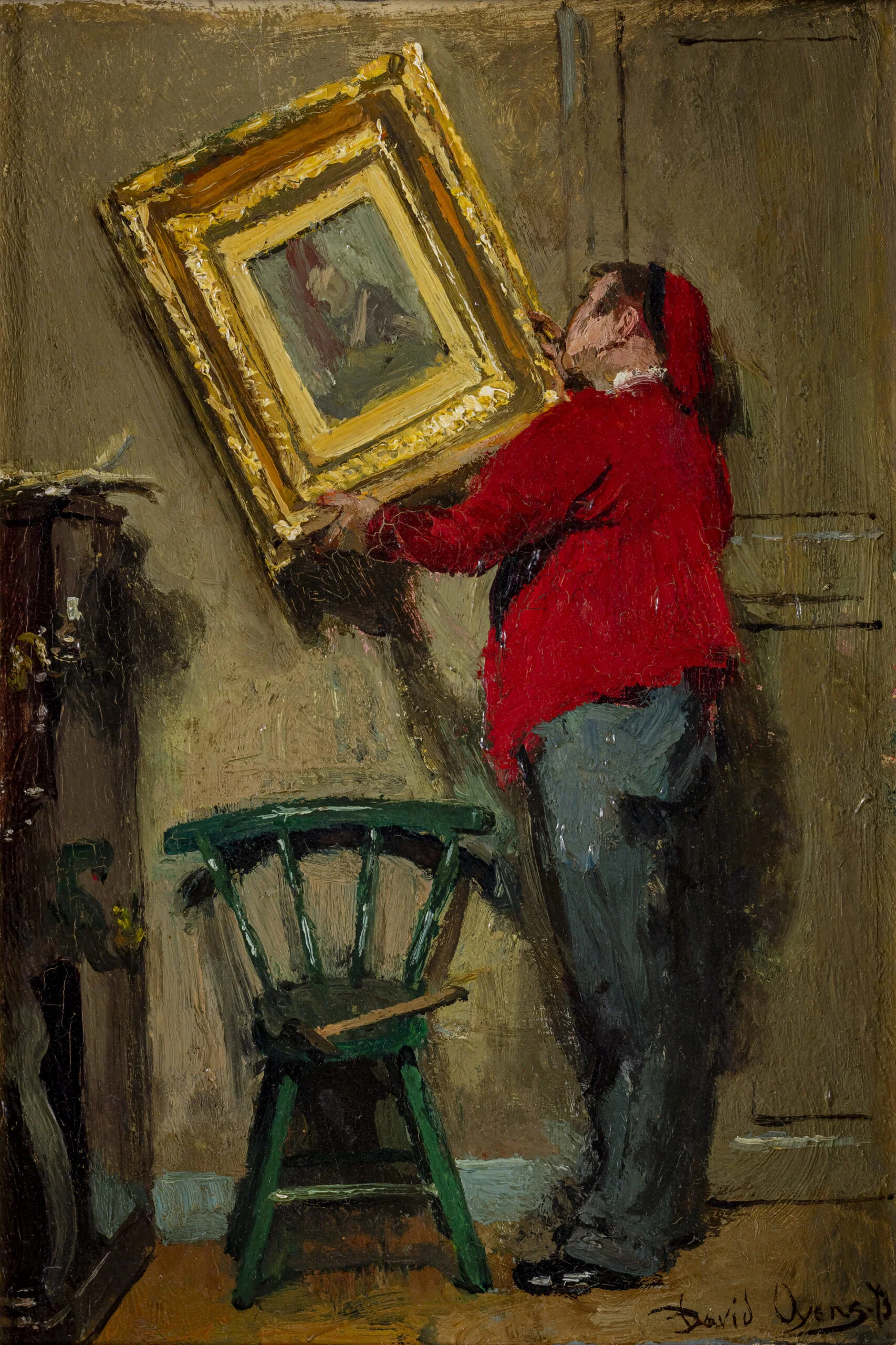

An installation can be perfectly clear while the artist is standing in the room and almost impossible six months later. A cable enters from the left. A projector sits at a height that feels obvious. Two objects align by eye rather than measurement. Then the work travels, the artist is unavailable and a new team must decide which details define the artwork and which can change.
The answer is an installation manual written before the work leaves the studio. It does not need to imitate a museum conservation file. It needs to let another careful person install the work without guessing at the artist’s intention.
Begin with identity, not equipment
State the title, date, medium, dimensions, component count and edition information. Then describe what must remain true for the work to be itself. A screen model may be replaceable while its brightness, aspect ratio and visible border are essential. A row of objects may fit different rooms while their order and spacing cannot change.
Museums increasingly distinguish the physical components of a work from its identity. That distinction is especially important for digital, sound, performance and installation art, where equipment becomes obsolete and each presentation is a new iteration.
Separate fixed rules from approved flexibility
Create three headings: required, adjustable and prohibited. Required elements might include orientation, sequence, minimum clearance, wall color, sound level, duration or visitor path. Adjustable elements might include cable route, exact projector model or the width of an arrangement within stated limits. Prohibited elements identify changes that would misrepresent the work, such as looping a piece intended to end, muting sound, cropping an image or reversing a sequence.
This structure prevents a common failure: treating every detail as equally rigid. If installers cannot tell what matters most, they may preserve incidental hardware while losing the artwork’s central experience.
Draw what words cannot hold
Add a floor plan, elevation and component diagram. Mark heights from the finished floor, distances between elements, sightlines, audience boundaries, power sources and hidden hardware. Include front, back and detail photographs of a correct installation. For multi-part works, label every component with the same identifier used in the manual and packing list.
Record the order of operations. A useful sequence might begin with room preparation, continue through anchors and power, then object placement, media testing, lighting, sound calibration and final artist-intent checks. If one stage must happen before another, say so.
Document files, software and playback
For media works, list master and exhibition file names, codecs, resolution, frame rate, aspect ratio, channel layout and playback behavior. Identify the approved operating system, application version and any network dependency. Preserve checksums where possible so a future installer can confirm that a file has not changed.
Describe what the audience should experience, not only what the equipment should do. Is the image meant to fill peripheral vision? Should sound be heard before the work is seen? Does a sensor respond instantly or after a delay? These observations help a future team choose replacement technology without accidentally changing the work.
Plan for failure and substitution
List spare parts, restart instructions and the person authorized to approve a substitution. If a specific device is essential because of its shape, noise or historical meaning, explain why. If it may be replaced, define the performance characteristics that a substitute must preserve.
Include safe handling, lifting points, weight, fragile surfaces, cleaning restrictions and emergency shutdown procedures. Installation instructions do not replace a conservator, electrician or qualified art handler; they tell those professionals what the artwork requires.
Update the record after every presentation
Keep the original manual, then create an iteration report for each venue. Record the room, equipment, decisions, deviations, problems and photographs of the finished installation. Note whether the presentation succeeded and what should change next time.
A good manual is not a frozen command. It is a durable conversation between the artist and people who will care for the work later. Written early, it protects intention while the artist’s decisions are still available—and gives the artwork a better chance of remaining itself in rooms the artist has never seen.