

When an artwork leaves the studio, memory is not enough. A condition report creates a dated record of what the work looked like before packing, what materials and vulnerable areas it contains, and what changed—if anything—during transit, installation or return.
Museums use condition documentation as part of responsible lending and transport. The same habit can protect an independent artist sending work to a museum, collector, publisher or eligible institutional presentation. It turns a disagreement about “how it arrived” into a comparison between records.
Start with identity, not damage
Record the artist, title, date, medium, dimensions and a unique inventory number. Note the frame, mount, base, glazing, electronics or detachable parts. For editioned or time-based work, include the edition number, file format, playback equipment and any installation instructions.
Use a full-view photograph taken straight on, then photograph the back, sides, signature, labels and hardware. Add close views of corners, joins and any area that already has a crack, abrasion, stain, distortion or unstable component. Include a scale and color reference when useful, and keep the original image files.
Describe what is visible
A useful report is factual and located. “Two-centimeter horizontal abrasion, lower right, five centimeters from edge” is better than “minor damage.” Distinguish between the work and its frame or mount. Avoid diagnosing a cause unless a conservator has established it.
For complex materials, record what the artist knows about fabrication. The American Institute for Conservation’s Photographic Information Record shows the value of gathering technical information, display requirements and conservation history from the maker. Similar documentation can be adapted for mixed media, digital and installation work.
Inspect at every handoff
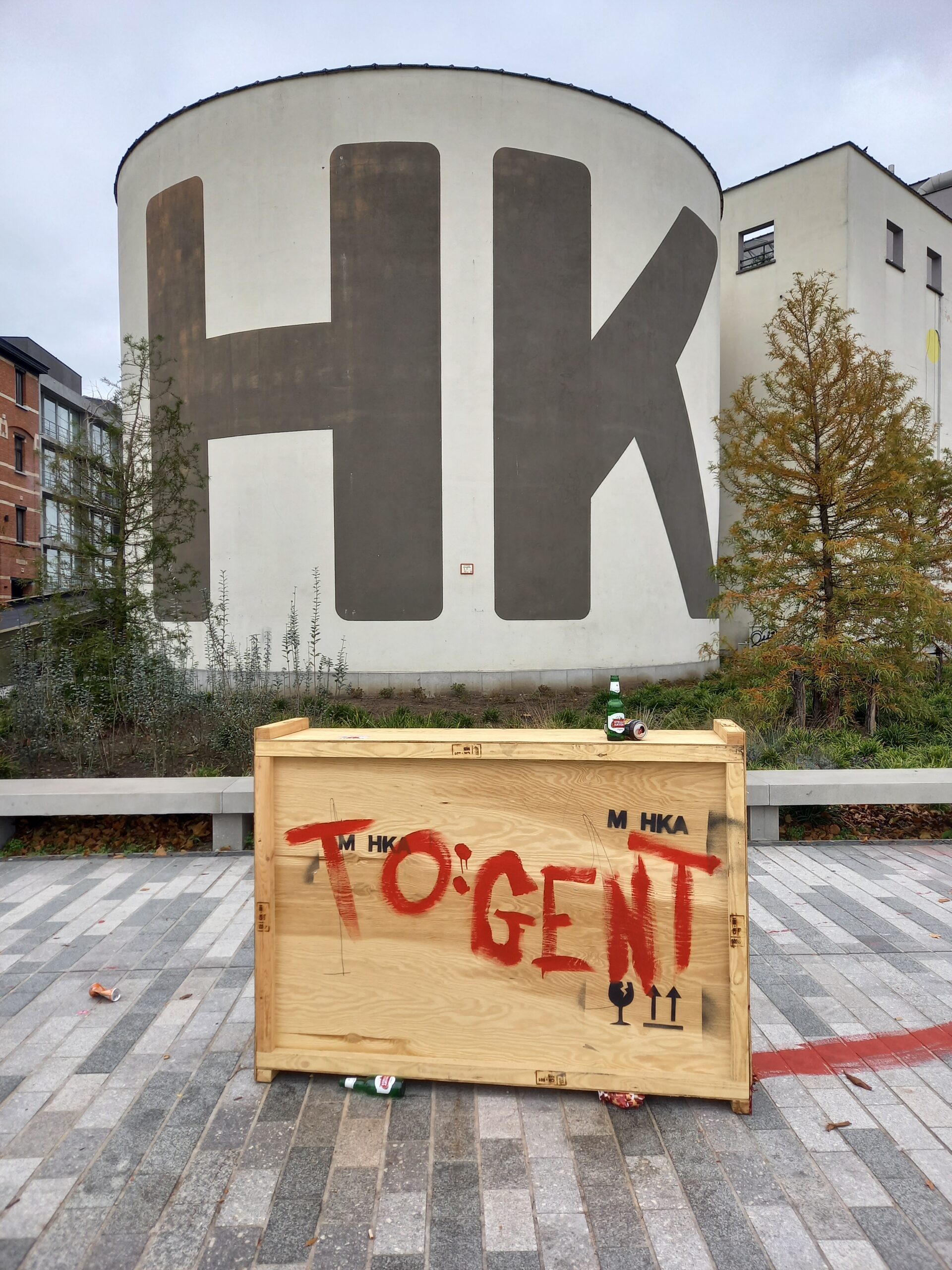
Create the initial report before packing. Photograph the work after it is placed in protective materials and, if possible, the packed crate. At arrival, inspect under good light before installation and note the date, location and names of the people present. Repeat the check after deinstallation and when the work returns.
If a change appears, stop handling, isolate the affected part, photograph it and notify the responsible contact. Do not clean, flatten, retouch or power up a damaged component without appropriate advice. The American Institute for Conservation recommends consulting a qualified professional when an object presents material-specific questions.
Keep the report usable
Store the signed report, photographs, shipping documents and correspondence together under the artwork’s inventory number. Keep an editable working copy and a locked PDF or other fixed record of each inspection. If multiple people annotate the document, preserve the sequence rather than overwriting earlier observations.
A condition report cannot prevent rough handling or environmental stress. It can make the work’s state legible across time and between people. That clarity supports conservation, insurance and professional relationships—and gives the artist a reliable voice when the work is no longer in the room.