
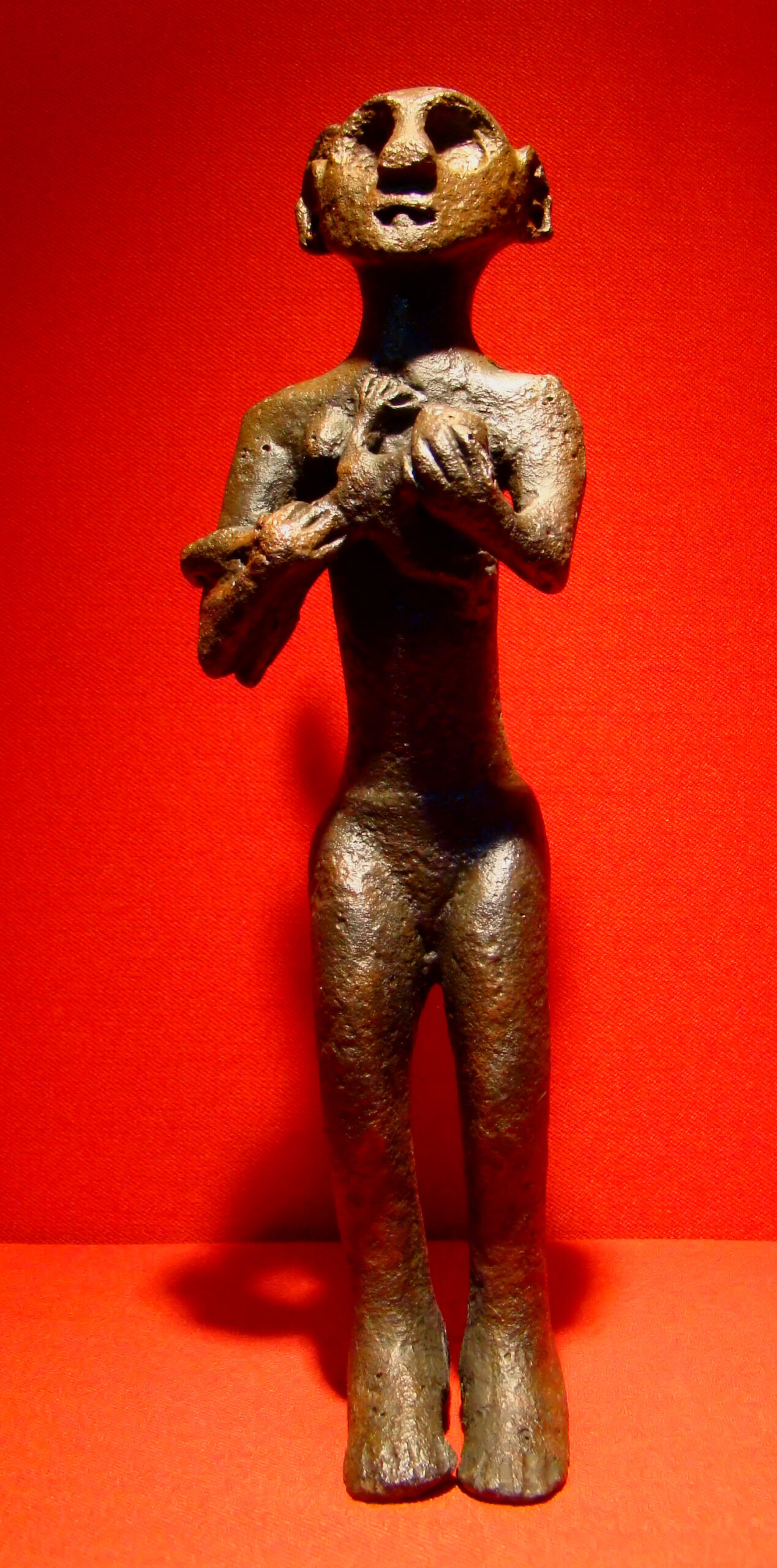

Türkiye has presented 100 antiquities returned from the United States, bringing together Early Bronze Age objects, architectural terracottas and sculpture whose histories had been dispersed across museums and the art market.
The group was unveiled at the Istanbul Archaeological Museums on November 2, 2026. The Manhattan District Attorney’s Office had formally repatriated the objects in September, valuing them collectively at more than $2.2 million and stating that 52 were seized from The Metropolitan Museum of Art through multiple trafficking investigations.
One return, several routes out
The Istanbul presentation supplied archaeological detail that the U.S. announcement did not. According to Anadolu Agency, the return includes 40 objects from Horoztepe, dated about 2300–2000 BCE; 44 terracotta architectural panels from Düver, dated about 700–480 BCE; a portrait from Aphrodisias; and other pieces including theatrical masks and goddess figures.
The Manhattan prosecutor highlighted a bronze statuette of Hermes valued at approximately $500,000. Its account says convicted dealer George Zakos exported the object from Türkiye in the 1960s and sold it to the Met in 1971 without provenance.
The numbers show why a return cannot be understood as one simple transaction. Objects left through different networks, entered different collections and required different forms of evidence. Archaeological comparison, archival records, museum documentation and criminal investigation all contributed to rebuilding their histories.
Provenance becomes an institutional responsibility
The return is the Manhattan District Attorney’s tenth repatriation to Türkiye. The office says those actions now total 276 antiquities valued at $96.5 million. It also reports that its Antiquities Trafficking Unit has recovered more than 6,400 cultural objects and returned more than 6,150 to 39 countries.
For museums, collectors and dealers, the message is practical: a long residence in a prominent collection is not proof of lawful removal. Acquisition dates, export rules, dealer histories and excavation records must be tested against one another. A blank provenance before a museum purchase is not neutral; it is a risk that can persist for decades.
Artists and audiences also have a stake in how returns are described. Repatriation is not simply the relocation of valuable objects. It can restore archaeological context, reconnect fragments with related material and make the circumstances of loss part of the public record.
The November presentation gave the 100 objects a shared public moment, but their histories remain individual. Responsible coverage should resist turning the group into a single statistic. Each work crossed borders through a particular chain of custody, and each return depends on evidence strong enough to make that chain visible again.