

Toronto now has a date. The Art Gallery of Ontario says its new five-storey Dani Reiss Modern and Contemporary Gallery will open to the public on September 25, 2027, completing a project first made public in April 2022 and giving one of North America’s major museums a new home for the art of the present.
The announcement, made on November 9, 2026, describes a wing of 40,000 square feet overlooking Grange Park in downtown Toronto. According to The Art Newspaper, the C$100 million project will increase the AGO’s display space by about 30 percent, including 5,000 square feet of gallery space with ceilings 23 feet high. Around 400 modern and contemporary works are expected on view, which The Canadian Press reports will span Indigenous, Canadian and international artists.
A building with a long runway
The project began with a C$35 million lead gift from Dani Reiss, chairman and chief executive of Canada Goose and a collector of art. The museum says the expansion is now fully funded, with support from the governments of Ontario and Canada and from private donors. The design is a collaboration between three firms: Toronto’s Diamond Schmitt, New York’s Selldorf Architects, known for its work at the National Gallery in London and the Frick Collection, and Two Row Architect of Ohsweken, Ontario.
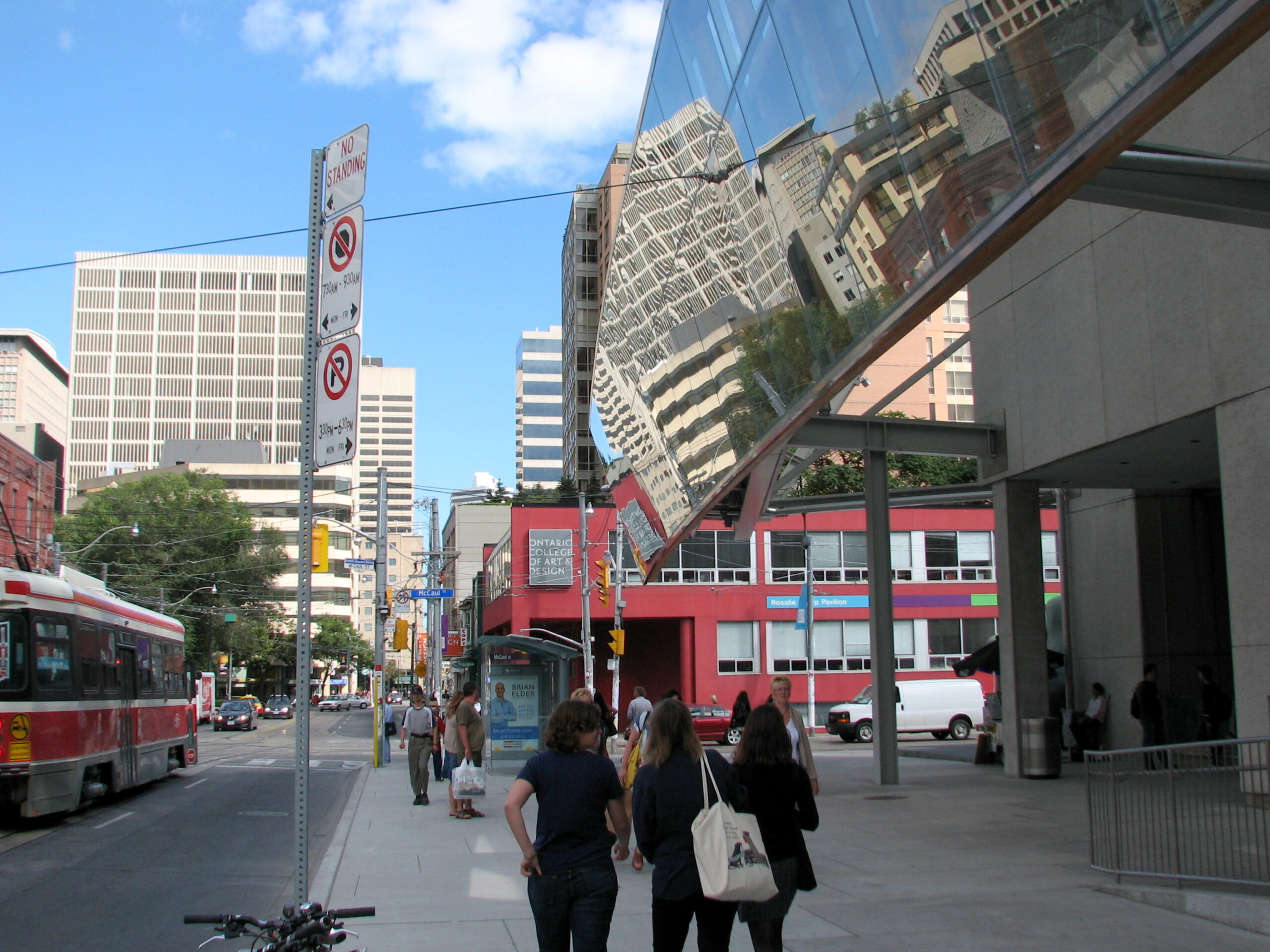
The new wing connects to the AGO’s existing building designed by Frank Gehry. The Canadian Press reports that the addition was designed to run without burning fossil fuels and has received Zero Carbon Building Design certification, making it the first Canadian cultural institution of its size to earn that designation. According to the same report, it is the seventh expansion the AGO has undertaken since its founding in 1900.
Stephan Jost, the AGO’s outgoing director and chief executive, framed the opening in national terms. “The Dani Reiss Modern and Contemporary Gallery is more than an expansion project—it is Toronto and Canada announcing its global position,” he said, adding that when the gallery opens, “the world will be made aware of the strength of the AGO collection.” Gregor Robertson, the federal minister of housing and infrastructure, said the government is “proud to support this sustainable, state-of-the-art gallery.”
Room for a collection that has outgrown its walls
The timing reflects how quickly the museum’s holdings have grown. The Art Newspaper reports that the AGO’s modern and contemporary collection has expanded by about 18,000 pieces over the past decade. In 2024 the museum received 37 works from the estate of Philip B. Lind, including pieces by Stan Douglas, Jeff Wall, William Kentridge, Rodney Graham and Philip Guston. In 2025 it acquired more than 200 photographs by Peter Hujar and received more than 450 works, mostly prints and photographs, from the late collectors Carol and Morton Rapp, with names ranging from Robert Rauschenberg and Jasper Johns to Kara Walker and Rachel Whiteread.
A collection of that depth is only partly visible without space to show it. Tall, generous galleries change what a museum can say: large-scale painting, installation and photography can be hung with room to breathe, and works long held in storage can enter a public conversation.
The opening will also arrive during a change of leadership. Jost, who has led the AGO for a decade, is stepping down, which means the wing he championed will be programmed into its first seasons by a new director.
For artists, the significance is practical as well as symbolic. Every gallery wall a major museum adds is a wall on which living artists, especially Canadian and Indigenous artists, can be shown at full scale beside the international figures who shaped them. For audiences, the date offers something rarer in museum building: a firm promise, with less than a year to go, that more of a public collection is about to come out of the dark.