
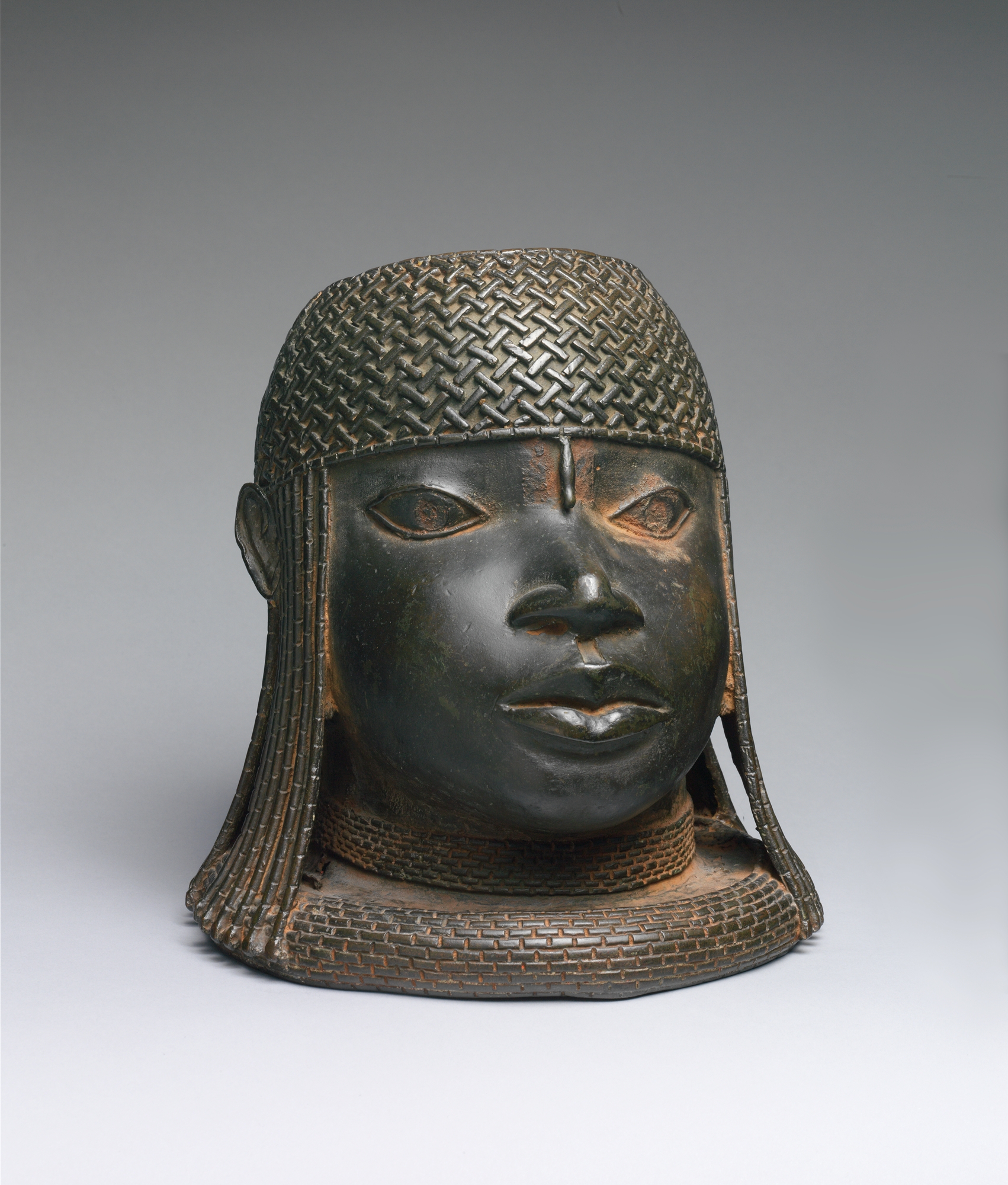

Sweden has begun the final transfer of two collections whose histories lead back to colonial violence, grave robbery, and the removal of sacred material. The National Museums of World Culture has transferred ownership of 39 objects from the Kingdom of Benin to Nigeria and is returning 77 objects from the Kallawaya community to Bolivia.
The two restitutions are distinct, but together they show how long research, government authority, community dialogue, and practical museum work must converge before an ethical conclusion becomes a physical return.
Thirty-nine Benin objects change ownership
On November 5, representatives of Sweden’s National Museums of World Culture and Nigeria’s National Commission for Museums and Monuments signed the transfer in Lagos. The objects include works in copper alloy, ivory, and wood connected to the Edo people and the Kingdom of Benin.
British forces attacked and burned Benin City in 1897, removing thousands of objects from the royal court. The Swedish museum authority says the 39 works now returned were acquired by the ethnographic department of Sweden’s natural-history museum between 1898 and 1908 through the international art market and European patrons.
Ownership has passed to Nigeria. Six of the works will remain in Sweden under a ten-year loan agreement. That detail is important: a loan after restitution is not the same as continued possession without consent. It places the lending decision with the recognized owner.
Sacred Kallawaya material begins its return
At the same time, 77 objects from the Niño Korin collection have been removed from museum storage in Gothenburg for transport to Bolivia. The collection includes sacred material and a human remain associated with the Kallawaya, an Indigenous people whose ancestral territory lies in the Bolivian Andes.
Swedish reporting says the material was taken from graves in the 1970s and later purchased by the museum. The Swedish government authorized the transfers to Bolivia and Nigeria in 2023 after formal requests and museum research. The objects are to go to the National Museum of Archaeology in La Paz as part of the return process.
Restitution changes the museum relationship
Returning an object does not erase the history of its removal. It changes who has authority over what happens next. That authority includes decisions about conservation, display, access, ceremony, research, loans, and whether some material should be shown at all.
The Swedish cases also demonstrate that restitution is not a single administrative act. Provenance research must identify how an object left its community. Legal authority must permit the transfer. Receiving institutions and communities must determine where the material should go. Registrars and conservators must document, pack, insure, and transport works that may be fragile, sacred, or human.
For artists and collectors, the lesson is broader than museum policy. Ownership records are ethical records. A clean invoice does not answer how an object entered the market, whether the seller had authority, or whether cultural and spiritual obligations remain attached to it. Responsible stewardship begins before acquisition, with questions that follow the object beyond price and title.
Sweden’s transfers do not close the international restitution debate. They add two concrete examples of what it means to move from acknowledgment to action—and to let future relationships begin after ownership has been corrected.