
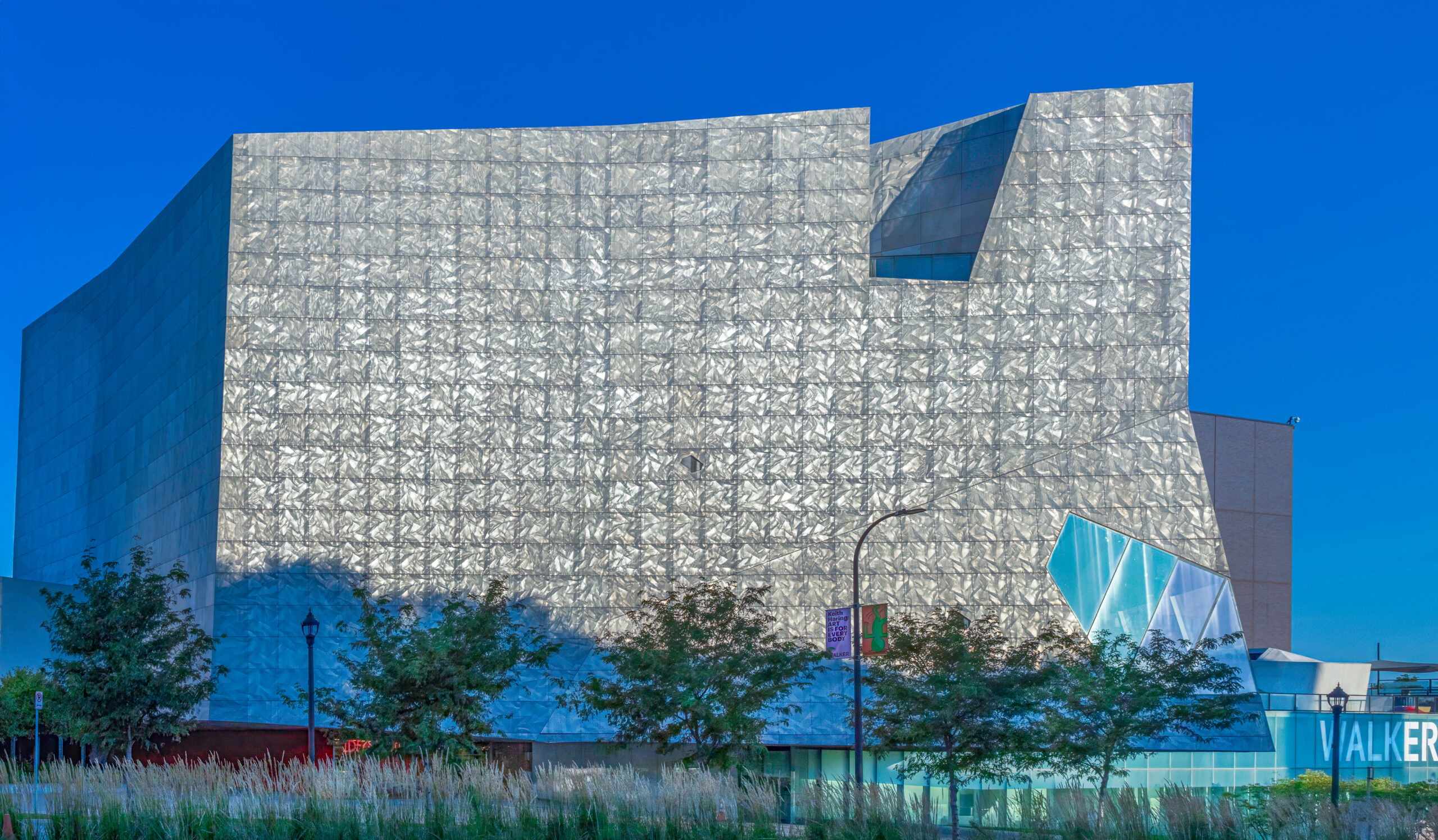

For Abbas Akhavan, a garden is never only a refuge. It can be a border, a stage of empire, a managed ecosystem, a memory of displacement, or a living archive that refuses to remain still. The Walker Art Center opens the artist’s first major United States survey on November 12, bringing two decades of work into a museum-wide conversation about land, conflict, and the fragile categories through which culture separates nature from history.
The exhibition is eligible on both editorial and institutional grounds: the Walker is an internationally recognized museum presenting the show in its own galleries, and environmental thought is central to the work rather than a decorative theme.
The garden as a political form
Akhavan has repeatedly returned to the garden because it contains opposing ideas at once. A garden is cultivated, yet alive beyond full control. It can promise sanctuary while depending on walls, labor, extraction, and decisions about which species belong. It may preserve a cultural tradition or reproduce the power that designed it.
The artist’s installations, sculptures, videos, and performances often use soil, water, plants, food, stone, and other changeable materials. These substances bring time into the exhibition. They dry, grow, decay, stain, or require care. The museum cannot encounter them as neutral objects; it becomes responsible for maintaining conditions in which the work can continue to change.
That instability is part of the meaning. Akhavan’s practice connects domestic space with geopolitical force, showing how war and displacement enter rooms, gardens, and inherited habits. Environmental damage is not presented as a distant landscape problem. It is folded into the places where people shelter, remember, and try to rebuild.
What a museum must hold
The Walker describes the survey as spanning twenty years and emphasizing the artist’s engagement with gardens, architecture, cultural artifacts, and the effects of conflict. Bringing these works together makes visible a recurring question: what happens when preservation itself is selective?
Museums are built to stabilize objects, but living and perishable materials resist that promise. Cultural artifacts may survive while the communities and ecologies that gave them meaning are disrupted. A garden may be reconstructed while the conditions that produced it are gone. Akhavan’s work keeps these tensions active rather than resolving them into a single message.
An environmental art of relationships
For artists, the exhibition expands the idea of environmental practice beyond images of threatened nature. Ecological art can examine systems of care, migration, architecture, food, language, and institutional responsibility. It can ask not only what a material represents, but what it needs and what histories it carries.
That approach is especially relevant at a moment when environmental crisis is often communicated through scale: global temperature, habitat loss, mass displacement. Akhavan works from another direction. He brings the crisis into intimate structures—a room, a table, a plant, a barrier—and makes the viewer feel how large histories are administered through ordinary space.
The Walker survey does not treat the garden as a universal symbol of peace. It treats it as evidence: of care and control, beauty and exclusion, survival and loss. In that unsettled space, environmental art becomes a way to study how human culture organizes the living world—and how the living world continues to exceed those designs.