

Extreme heat is already changing whether cultural spaces can open, how long people can stay and whether staff can work safely. A survey of 296 cultural organisations in England found that 96 percent were affected by heatwaves between May and July 2026. Nearly half reported significant or severe effects.
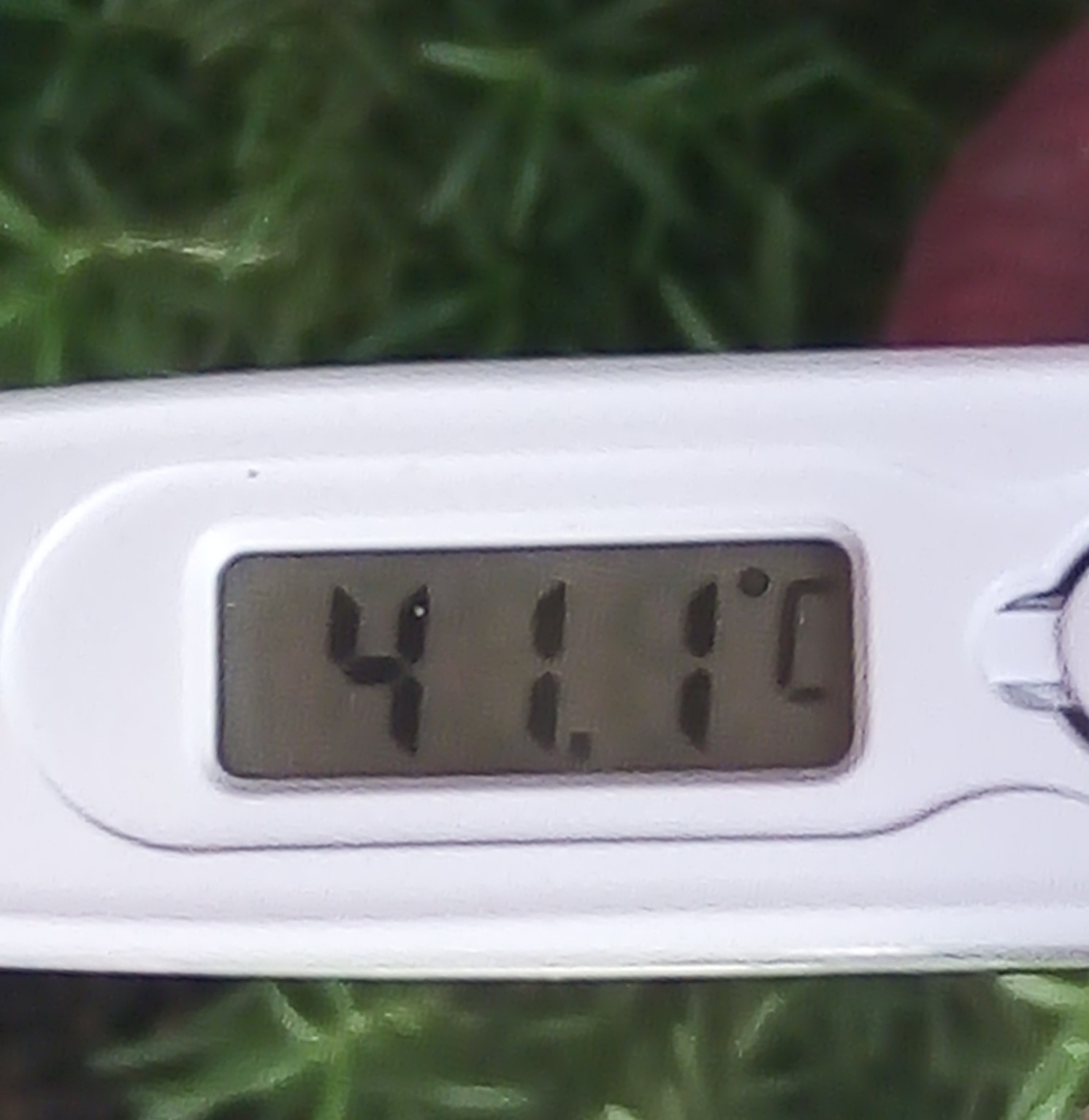
The findings, reported from Arts Council England research, make climate adaptation an immediate operational issue rather than a distant facilities plan. Attendance fell, events were cancelled, opening hours were reduced and some organisations closed. Among 169 respondents that supplied indoor temperature data, nine recorded at least 41°C and the highest reading was 48°C.
Heat changes access before it changes architecture
A hot building can remain technically open while becoming inaccessible. Older visitors, young children, pregnant people and those with some medical conditions may be unable to enter safely. Artists and freelancers working under lights, in workshops or during installation can face risks that are easy to miss when an organisation has no heat policy.
The survey found that 67 percent of respondents experienced reduced attendance and 31 percent cancelled events. Almost a quarter partially closed, while others reduced hours or shut completely. Staff, freelancer and volunteer welfare was a concern for 70 percent.
These effects also compound. Lower footfall reduces earned income at the same moment that cooling, rescheduling and staff cover create new costs. Of the organisations that estimated a financial effect, 77 percent reported losses. Yet only 13 percent of all respondents had a heatwave policy, and only 14 percent had extreme heat on a risk register.
A minimum heat-response plan
Cultural organisations do not need to wait for a major capital project to improve readiness. The first step is to record temperatures in the rooms where people and collections actually spend time. Outdoor forecasts cannot show a gallery, studio, archive or rehearsal room that traps heat overnight.
Set thresholds for changing hours, moving activity, pausing physical work and closing. Name the person who can make that decision. Build a communications template for visitors, ticket holders, artists and contractors so that safety information does not depend on improvisation during a heatwave.
Map the most vulnerable people, equipment and collection areas. A room safe for visitors may still be unsuitable for a material sensitive to rapid temperature change. A store that protects objects may expose staff to dangerous conditions during retrieval. Plans should distinguish human safety, collection care and technical continuity while recognising that they overlap.
Document the cost of each event
After a hot period, record cancelled sessions, refunds, attendance changes, staff absence, equipment failures and extra energy use. This evidence strengthens future budget requests and makes the real cost of delay visible. It also helps organisations compare a temporary measure, such as altered hours, with longer-term investment in ventilation, shading or building fabric.
The context is becoming more demanding. The UK Met Office reported that summer 2026 was provisionally the country’s warmest on record, with the five warmest summers all occurring since 2003. Cultural policy cannot treat these conditions as rare exceptions.
Resilience is part of cultural access
A museum, theatre or studio cannot fulfil its public purpose if the people who make and experience culture cannot safely use the space. Climate resilience therefore belongs in access planning, workforce policy, programming and finance—not only in environmental reporting.
The survey describes organisations in England, not every cultural institution. But its operational lesson travels: measure conditions, decide thresholds in advance, communicate clearly and keep evidence of the consequences. Extreme heat is already editing cultural calendars. Preparation determines whether institutions can respond with care rather than crisis.