
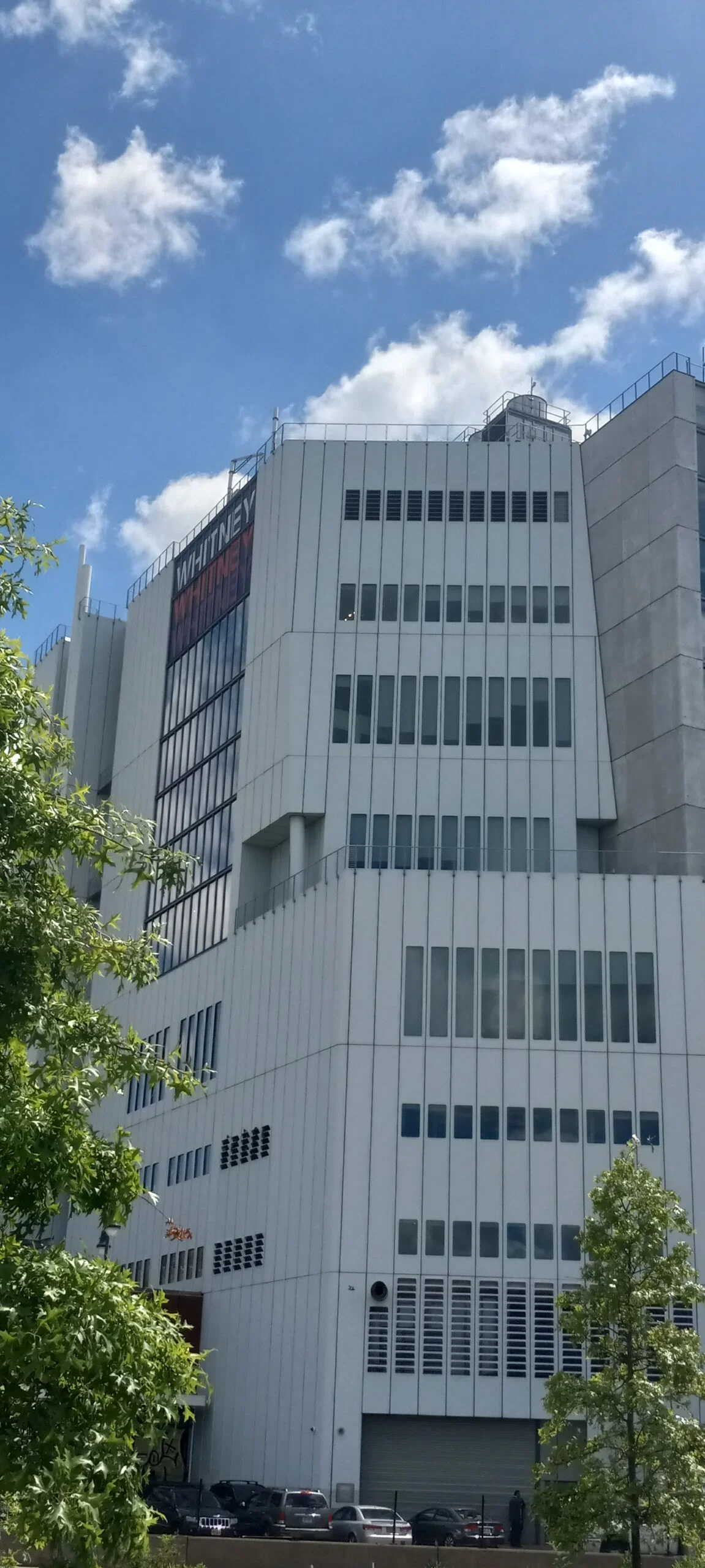

On November 17, Christie’s is scheduled to offer Willem de Kooning’s Yellow River with an estimate of $12 million to $18 million. The auction-house listing identifies the seller as the Whitney Museum of American Art and says the proceeds will benefit the collection. That makes the sale more than a market event: it is a public test of how a museum explains the removal of a recently received work from its holdings.
Painted in 1958, Yellow River came from the family of attorney and collector David M. Solinger. The Whitney’s collection record says the painting was accessioned as a promised gift in 2011 and formally gifted in 2023. Three years later, the museum is sending it to auction.
Why the short timeline matters
Deaccessioning is a normal part of responsible collection management. Museums refine holdings, address duplication, improve representation and sometimes sell one object to strengthen a collection elsewhere. The issue is not whether a museum may ever sell. It is whether the decision is consistent with a clearly stated policy, made with appropriate oversight and communicated in a way that preserves confidence among artists, donors and the public.
The Whitney’s collections policy treats deaccessioning as an exceptional action. It calls for careful review, curatorial recommendation and board approval, while recognizing that a work may be removed when it no longer advances the collection’s purpose or when sale can help refine the holdings. Christie’s describes this sale as benefiting the collection, not as support for ordinary operating expenses.
The timing still deserves attention. A promised gift can represent years of conversation between a family and a museum. When the work is sold soon after the gift becomes final, future donors may reasonably ask what promises are being made about long-term stewardship and what circumstances could change the institution’s judgment.
A question of fit, not importance
Nothing about the sale suggests that Yellow River lacks art-historical stature. De Kooning made it during the late 1950s, when landscape, abstraction and the physical energy of paint were colliding in his work. The auction estimate reflects the market’s view of that importance.
The museum’s decision is better understood as a question of fit inside an existing collection. Independent reporting notes that the Whitney retains major de Kooning paintings. If trustees concluded that this canvas duplicated strengths already present, selling it could release funds for acquisitions that fill more urgent gaps. That is a legitimate collecting strategy—but one whose credibility depends on transparency about what the museum is building toward.
What artists and donors should watch
Artists and collectors considering gifts can ask practical questions before a transfer: Is the work being accepted for the permanent collection? Does the deed of gift include any restrictions? How does the institution define deaccessioning? Will the donor or heirs be notified if a sale is considered? What uses are permitted for the proceeds?
For museums, the lesson is equally practical. A deaccession should be explained as a collection decision, not left to look like a surprise auction consignment. The public needs enough information to understand the process, the governing policy and the intended benefit.
When the hammer falls, the price will be the easiest fact to report. The harder and more consequential story is what the sale reveals about stewardship: how a museum balances the authority to reshape its collection with the trust that made the collection possible.