
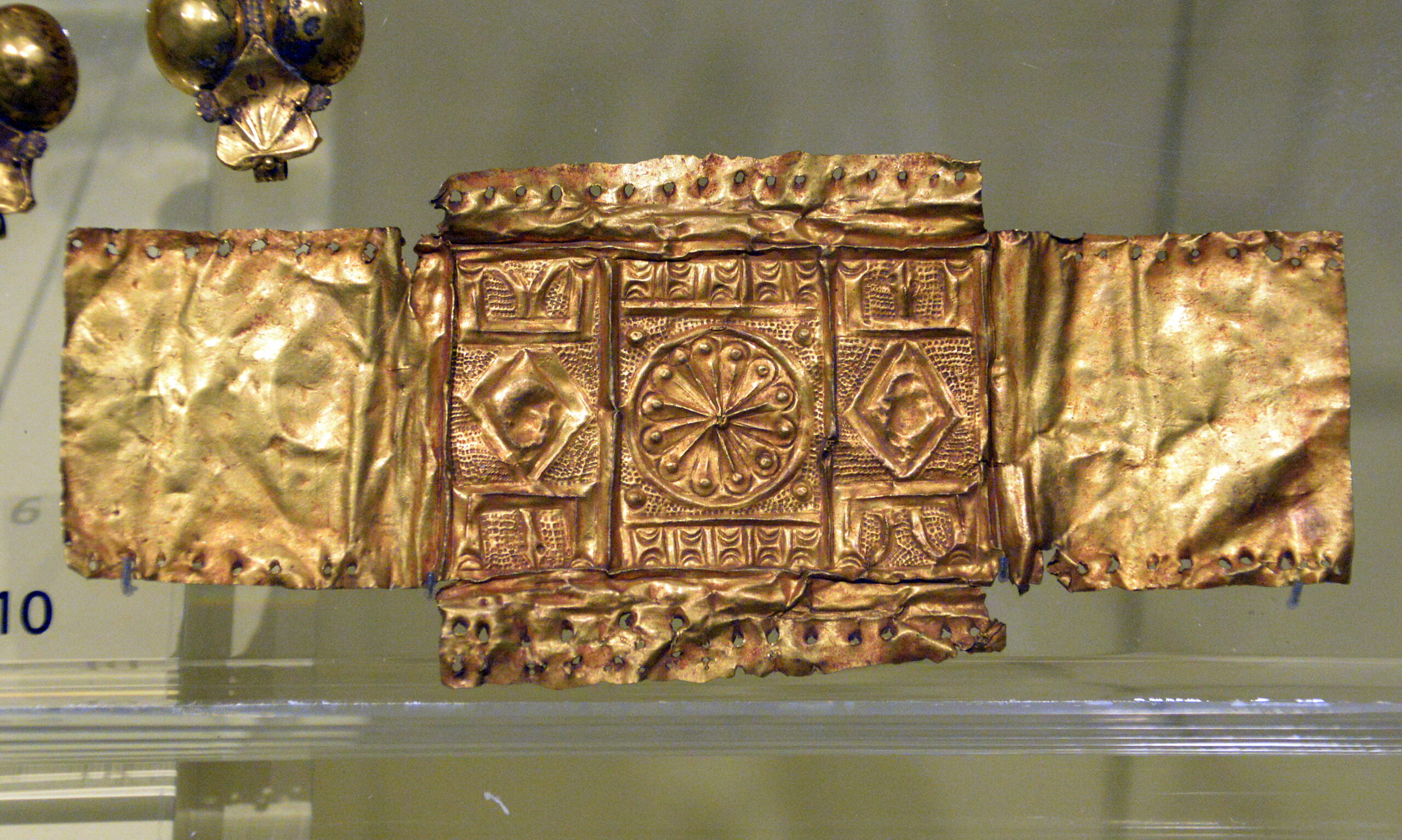

Fifteen pieces of Asante royal regalia held by the British Museum will remain in Kumasi, Ghana, through April 2030 under a renewed three-year loan agreement with the Manhyia Palace Museum. The Victoria and Albert Museum is also extending the loan of seventeen related objects. Together, the decisions keep thirty-two works in the city from which many were taken during nineteenth-century Anglo-Asante conflicts.
The development is significant because it changes where the objects can be encountered, even as legal ownership remains with the British institutions. The current agreements began in 2024 and were due to expire in April 2027. Their extension gives audiences in Ghana a longer period of access and gives the institutions more time to test what sustained cultural partnership can mean beyond a short return visit.
A longer stay, not a transfer of title
The distinction matters. A renewable loan can bring objects physically closer to the communities whose histories they embody, but it does not settle the larger question of ownership. The Manhyia Palace Museum states that the British Museum objects include regalia connected with the Anglo-Asante wars of 1873–74 and 1895–96, much of it looted directly from royal palaces in Kumasi. The renewed agreement therefore sits inside a continuing international debate over restitution, long-term loans and the authority to determine the future of displaced cultural heritage.
UNESCO’s office in Ghana welcomed the extension as an opportunity for cultural exchange and institutional cooperation. That endorsement points to one practical strength of the arrangement: the partnership can support research, interpretation, conservation knowledge and public access while the political and legal questions remain unresolved.
Why artists and audiences should pay attention
For artists, the story is also about context. Material, form and craftsmanship do not carry their full meaning in isolation. Royal regalia operates within systems of ceremony, memory and authority. Returning the works to Kumasi, even temporarily, allows interpretation to happen nearer to the cultural structures that produced and continue to understand them.
For museums, the extension raises a measurable standard. A partnership should be judged not only by the movement of objects, but also by who writes the labels, who leads the research, who receives conservation resources and whether local audiences gain durable access. A three-year extension creates time for those outcomes to become visible.
The agreement does not end the argument over permanent return. It does, however, keep the regalia in Ghana through 2030 and makes the relationship between custody, ownership and cultural belonging harder to treat as an abstract question.