
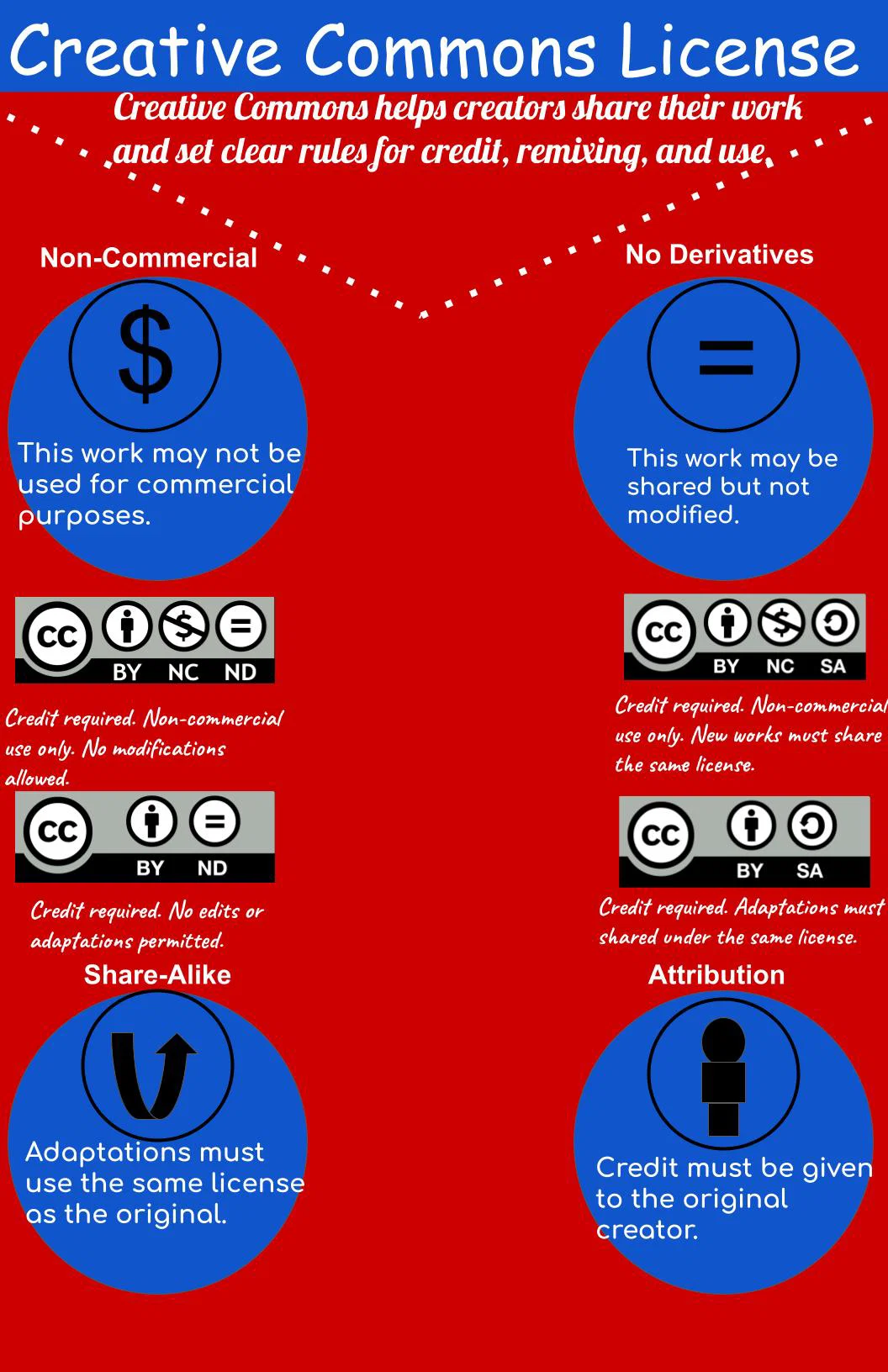

When someone asks to use an image of your artwork, a quick “yes” can conceal several different permissions. The physical artwork, the copyright in the artwork and the copyright in the photograph may be owned by different people. A clear written license should identify which right is being granted, for what purpose and for how long.
Copyright rules vary by country, and legal advice may be necessary for consequential agreements. The practical discipline, however, is universal: define the intended use before delivering a high-resolution file.
Separate the object from the copyright
Selling a painting or sculpture usually transfers ownership of the object, not automatically the copyright embodied in it. In the United States, this separation is explicit in copyright law. A collector may own the canvas while the artist retains the right to authorize reproductions, subject to contracts and applicable exceptions.
A photograph of the work can add another layer. If a photographer created the image, the photographer may hold rights in that photograph unless an agreement says otherwise. Before licensing an image, confirm who owns the artwork copyright and who owns the image file.
Define five terms in writing
Use: State exactly what may be made: a catalogue page, website feature, advertisement, product, social post or something else. “Promotion” is too broad when merchandise, paid advertising or sublicensing may be involved.
Media: Identify print, web, broadcast, exhibition display and social platforms separately. If a use is not needed, do not grant it by default.
Territory and term: Decide where the permission applies and when it ends. A one-time local campaign should not quietly become a worldwide perpetual license.
Alterations: Say whether cropping, color changes, animation, text overlays or other adaptations are allowed. Ask for approval when an alteration could change the meaning or integrity of the work.
Credit and fee: Specify the credit line, placement and compensation. Credit is not a substitute for permission or payment unless the artist deliberately agrees to those terms.
Keep the evidence with the image
Store the signed permission, final image, caption, credit, fee record and expiration date together. Give the file a stable name and record where it was delivered. If the permission is later questioned, the complete record is more useful than a scattered email thread.
WIPO notes that licenses can authorize particular uses without transferring ownership, and that moral rights in many jurisdictions protect attribution and integrity. The U.S. Copyright Office likewise advises users to identify the rights owner and obtain permission when no exception applies.
A good license does not need to be long. It needs to be specific. Clarity protects the artist, gives the publisher confidence and prevents a limited “yes” from becoming a much larger grant than anyone intended.