
A national collection is changing address. The National Gallery of Art has named eight museums for the second cycle of Across the Nation, a fully funded lending program that will place works from Washington in communities across eight additional US states beginning in 2027.
The scale matters. The National Gallery says a $116 million gift from the Mitchell P. Rales Family Foundation has permanently endowed the initiative. Transportation, insurance, installation, staff training and local marketing are underwritten, removing expenses that often decide whether a museum can accept a major loan at all.
Access built into the logistics
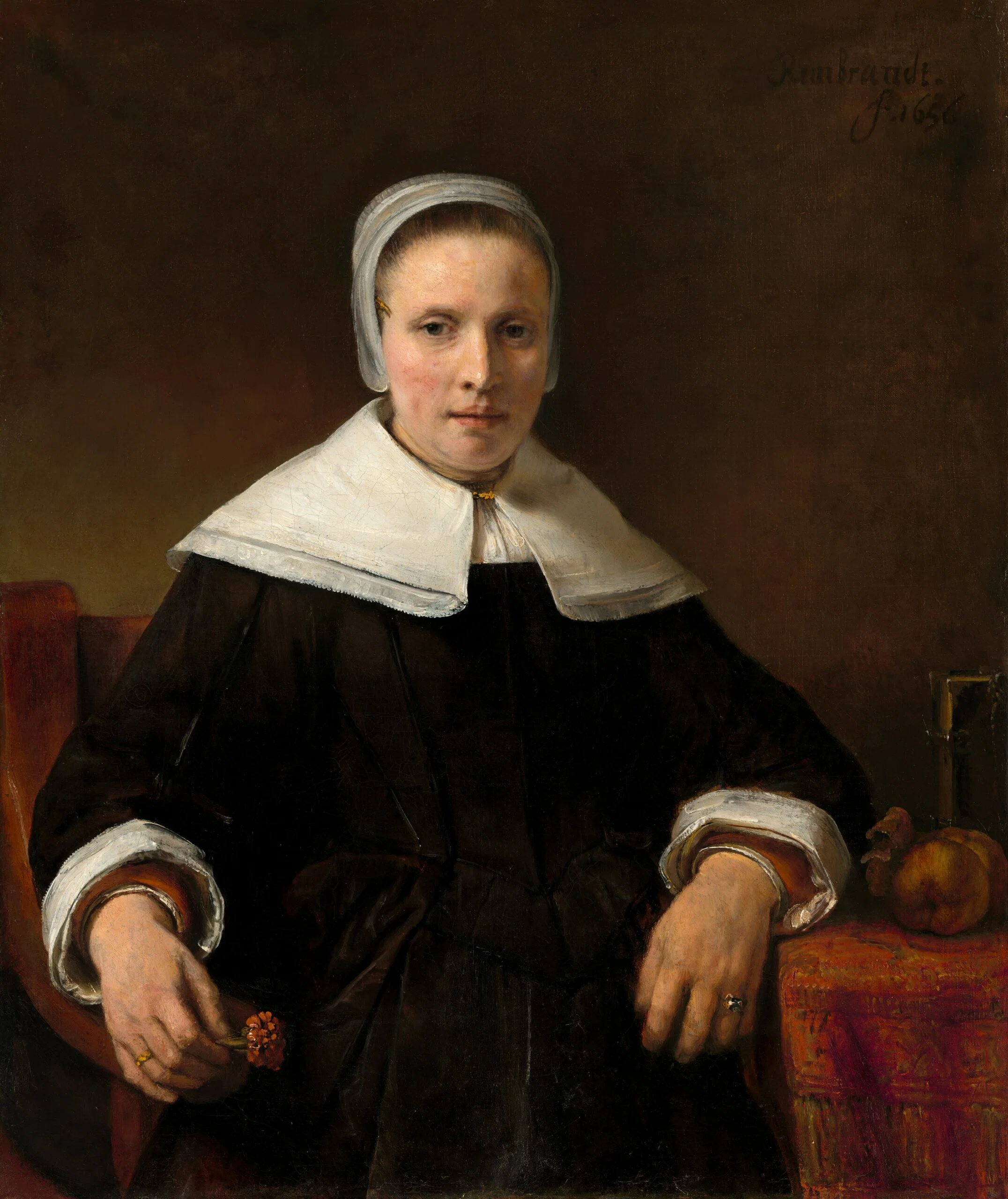
The new partners are the Crocker Art Museum, Dayton Art Institute, El Paso Museum of Art, Gilcrease Museum, Madison Museum of Contemporary Art, Mobile Museum of Art, South Dakota Art Museum and the Westmoreland Museum of American Art. Their selections range from Rembrandt and Monet to Howardena Pindell, Susie J. Lee and Donald Judd.
Each institution chose between two and five works in relation to its own collection and community. The National Gallery is not simply dispatching a standard touring package. The model allows a host museum to build interpretation and programming around objects that can speak to local histories, existing displays and audiences.
That distinction is important. A loan can expand access without pretending that access is achieved merely by moving an object. The Gallery is also providing scholarly, educational and digital support, while partner museums contribute knowledge of their visitors. The result is a shared curatorial structure rather than a one-way delivery.
What artists can see in the program
For artists, the most consequential part may be the geography. A canonical work seen in person can alter a studio conversation, a classroom assignment or a young visitor’s sense of what art can be. Yet travel costs and distance concentrate those encounters in a small number of major cities.
Across the Nation treats transport, insurance and installation as cultural-access issues. Those costs are normally invisible to the public, but they shape the map of who gets to see what. By funding the operational layer, the program makes a public claim: circulation is part of stewardship.
The choices also resist a single timeline of American art. At Madison, Pindell’s video Free, White and 21 will appear with a sculpture by Fred Sandback. At South Dakota Art Museum, two video works by Susie J. Lee will arrive. In El Paso, a portrait by Anthony van Dyck will share a loan group with Homer, Rothko and Judd. These combinations can produce new readings precisely because they are encountered outside the National Gallery’s usual architecture.
A collection as a public network
The program’s first cycle reportedly reached more than one million people in ten states. The second adds eight states, with a stated goal of reaching all fifty during the initiative’s first decade. Works will begin going on view in summer and autumn 2027 and remain through 2029.
There are questions worth following. Long-term success will depend on how local interpretation is resourced, whether the host museums gain lasting capacity, and how visitor response shapes later cycles. The best measure will not be miles traveled alone, but the relationships, scholarship and repeat audiences created around the loans.
Still, the structure offers a powerful reframing. A national collection does not have to be understood only as a building or a destination. It can operate as a network—one in which conservation standards remain high, local knowledge has authority, and masterpieces meet audiences where they live.