

El Niño is no longer only a forecast for the culture sector. It is a collections risk, a building risk and a threat to the communities that keep art and heritage alive.
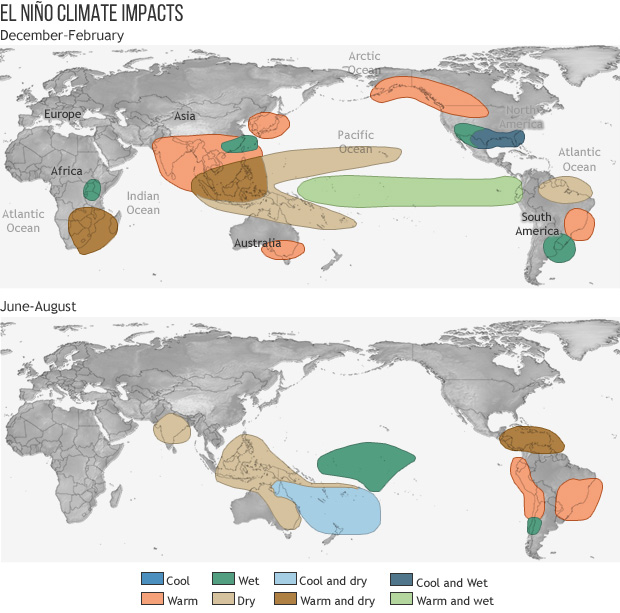
The World Meteorological Organization reported on November 9 that the current El Niño is expected to reach record strength by December and increase the likelihood of extreme heat, drought and heavy rainfall well into 2027. For cultural institutions, those hazards can arrive as floodwater, wildfire smoke, mold, power failure, roof damage, landslides or the interruption of local stewardship.
A global preparedness effort
UNESCO’s Culture x El Niño campaign is treating culture as part of disaster readiness rather than an afterthought. On November 9, the organization convened a global museum webinar with 173 participants from 50 countries. The session connected collection preparedness with climate education and community outreach.
That scope is important. A museum can protect storage rooms while the surrounding community loses access, transport, electricity or livelihoods. Cultural resilience therefore includes both physical care and the networks of people who know how a collection, site or living practice functions.
UNESCO has introduced an El Niño Readiness Check built around ten steps and four phases. Its wider campaign directs professionals to resources on fire, flood, drought, emergency evacuation, post-disaster assessment and the protection of living heritage. Initial Heritage Emergency Fund support has been directed toward preparedness in vulnerable countries.
Museums as public climate communicators
The November session also presented a temporary exhibition, Culture in the Eye of the Storm, for museums to adapt in print or digital form. The project frames institutions not only as places at risk but as places where communities can understand risk.
For artists, this expands the environmental story beyond artworks explicitly about climate. Every studio and collection exists inside a material system: temperature, humidity, drainage, ventilation, energy, insurance, transport and human care. When those systems become unstable, cultural work can be damaged before it is ever exhibited.
The environmental meaning of El Niño is therefore also institutional. It tests whether museums have updated emergency contacts, documented their collections, identified safe temporary storage, coordinated with civil protection and planned for staff access when ordinary routes fail.
Preparedness cannot prevent every loss, and global forecasts do not predict the exact outcome at a single site. They do create time. UNESCO’s campaign asks cultural institutions to use that time before the strongest impacts arrive—to protect objects, strengthen relationships and recognize that safeguarding culture is part of safeguarding community memory.