
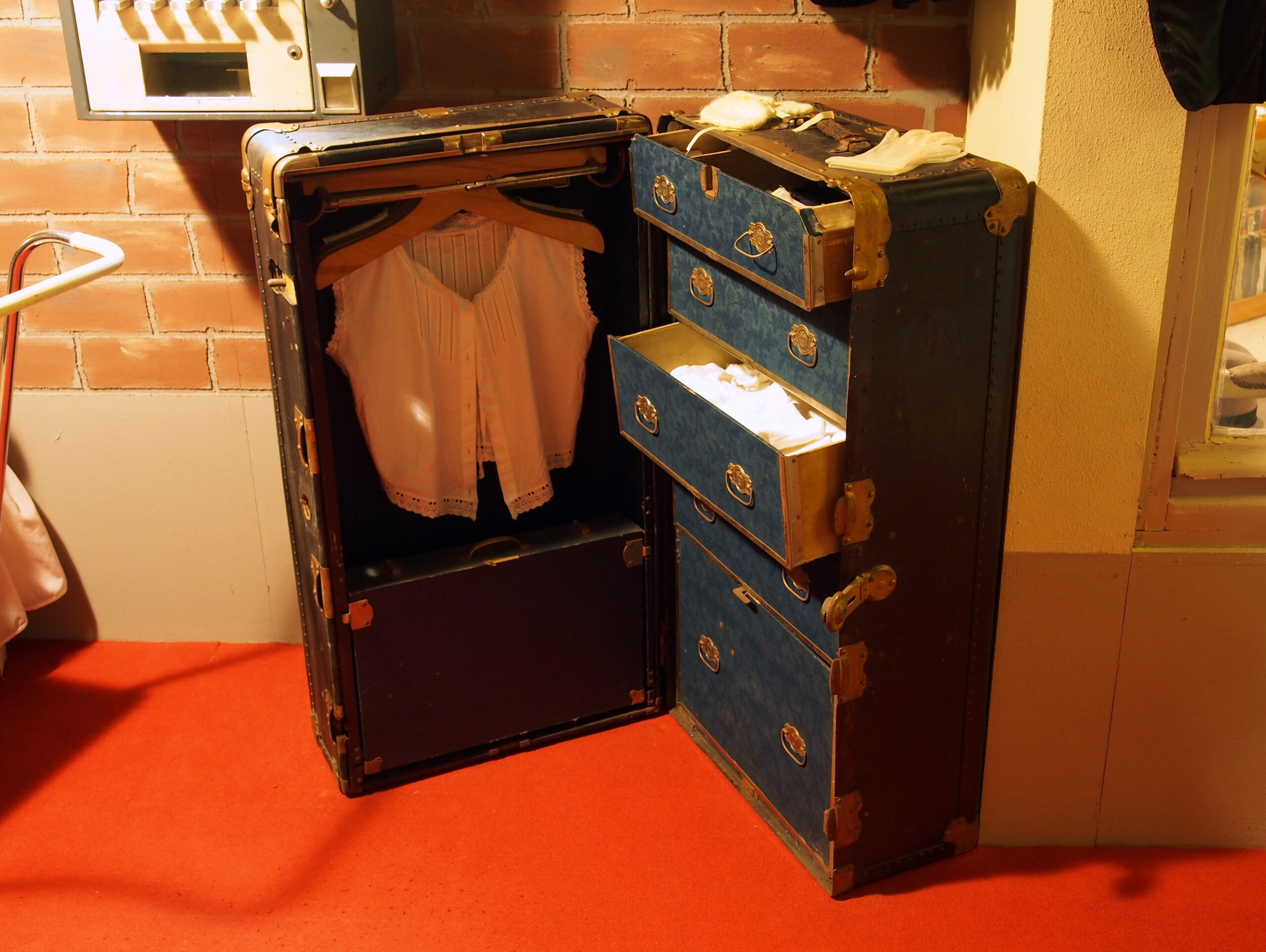

When Alexander Artway died suddenly in 1963, his twenty-one-year-old daughter had one hour to return home and choose a few possessions. Jeanette Artway Jimenez took his camera and a battered suitcase filled with photographs. She carried that suitcase through apartments, houses, moves across the country and back.
Decades later, the images have become the centre of the Alexander Artway Archive: more than 3,000 vintage prints and 4,000 negatives. On October 17, an Archives Month Philly open house brought photographs, film, memorabilia and publications into public view while introducing visitors to the work of preserving an artist’s legacy.
An immigrant’s changing world
Artway was born Alexander Artemiev in Gomel in 1903, the youngest of nine children. After fighting as a teenager in the White Army and years of exile in Europe, he arrived at Ellis Island in 1922. New York became both a new home and a visual education.
He photographed the city’s streets, churches and rising skyscrapers, often from unusual heights and angles. He studied architecture at New York University and joined the Merchant Marines, eventually becoming a captain and photographing his travels. His images moved between modernist structure and pictorial atmosphere: buildings, oceans, clouds, friends and the fragments of a family life interrupted by migration.
The archive is also a story of absence. Photographs from Belarus and portraits of relatives became Jimenez’s link to an extended family she never knew. What Artway made as a record of a life became, for his daughter, evidence of a world she had inherited without experiencing.
The second act of an artwork
Archives are often described as storage, but this collection shows that preservation is a creative and ethical act. Negatives require identification. Prints need stable materials and conditions. Dates, locations and names must be researched while people who remember them are still available. Decisions about selection and access shape how a photographer will be understood.
Jimenez did the first indispensable thing: she kept the work together. Later stewardship transformed survival into legibility. The open house extended that process by allowing the public to meet the archive’s caretakers and learn how an artistic estate is built.
What artists should preserve now
Artway’s story carries a practical message for living artists. Keep an inventory. Store master files and negatives separately from display copies. Record titles, dates, materials, locations, exhibitions and collaborators. Name the person who can make decisions if you cannot. A studio practice without an archive leaves loved ones to reconstruct both artistic intent and legal authority during grief.
No system can guarantee that a body of work will survive. But order creates possibility: for scholarship, exhibitions, publication, family memory and rediscovery. One battered suitcase preserved the beginning. The archive exists because care continued long after the camera stopped.