
A one-dollar artwork can be easy to dismiss as a novelty. Anastasia Inciardi’s Mini Print Vending Machine asks viewers to consider a more interesting possibility: that price, scale and distribution can be part of an artist’s medium.
This month, one of Inciardi’s machines arrived at the Solomon R. Guggenheim Museum in New York. Installed in the sixth-floor store, it dispenses one of ten miniature prints at random. The selection includes New York motifs such as a yellow cab, a pigeon and the Staten Island Ferry, as well as a Guggenheim façade designed exclusively for the museum.
From linocut to pocket-sized encounter
Inciardi is a relief printmaker, and the project begins with hand-carved linoleum blocks rather than a digital image bank. She cuts each design, inks the surface and builds color through repeated impressions. The vending editions translate those original linocuts into risograph prints produced with soy-based inks and solar-powered processes.
That chain of making is central to the work’s character. The final object is inexpensive and mechanically dispensed, but its visual language comes from a process of carving, pressure and registration. The vending machine does not erase craft; it changes how the craft reaches an audience.
Inciardi traces the idea to the 2020 shortage of quarters, when she kept running out of change for laundry. Childhood memories of temporary-tattoo machines on New York sidewalks supplied the format. The first Mini Print Vending Machine launched in 2022. What began as an everyday problem became a distribution system that now places her work in museums, shops and community spaces.
Access is a design decision
The Guggenheim presentation sharpens the project’s argument. Museum shops often translate exhibitions into consumer objects at many price points, but a randomized one-dollar print produces a different relationship. The buyer cannot select a favorite image in advance. Instead, the mechanism introduces chance, repetition and the possibility of exchange among collectors.
For artists, the lesson is not simply to make smaller or cheaper work. Accessibility succeeds when it is designed into the concept. Inciardi’s price, format, imagery and machine reinforce one another. The object feels complete at its modest scale rather than like a reduced substitute for a more important artwork.
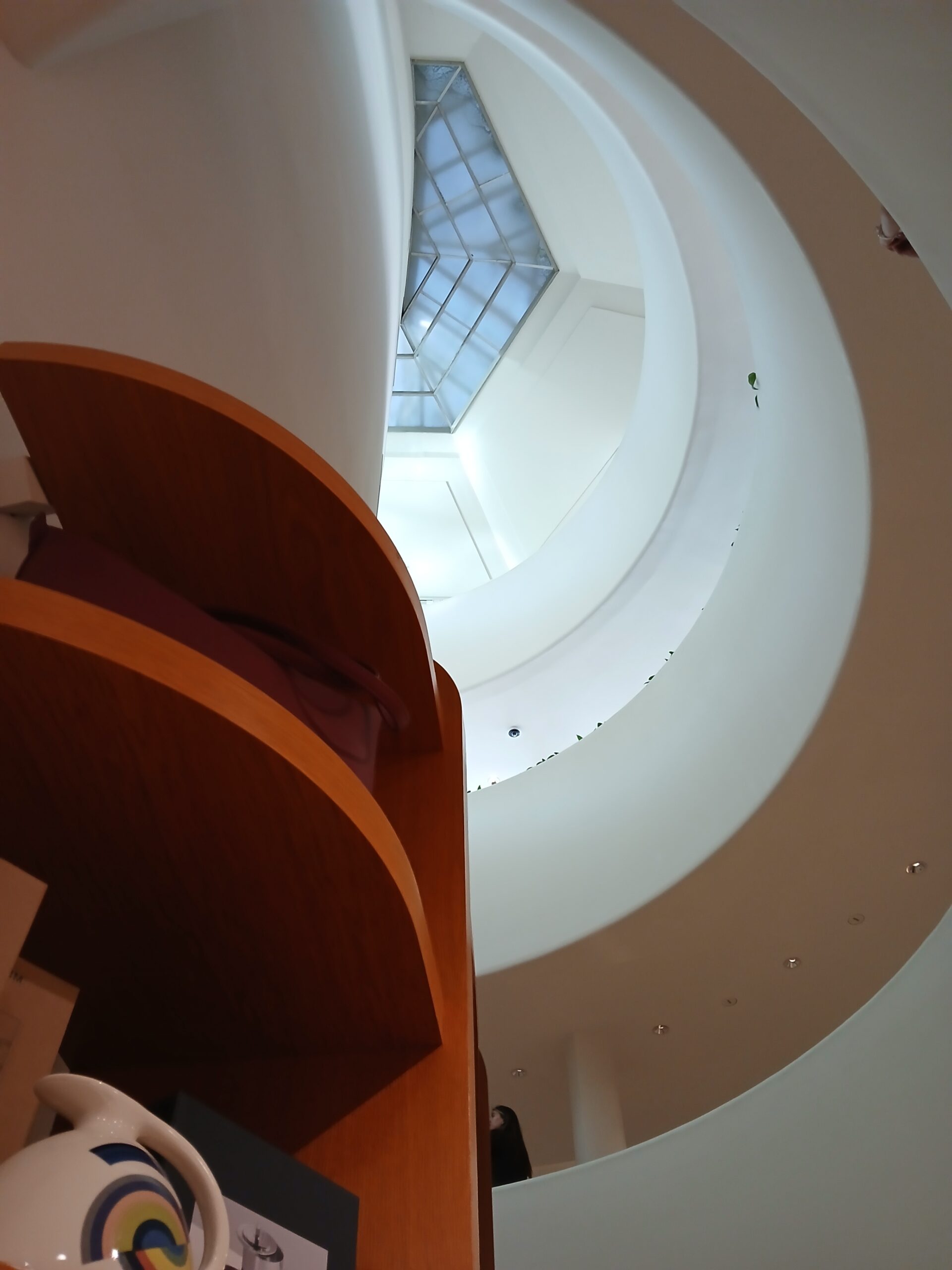
The project also shows how an artist can build a recognizable practice around a repeatable system without making every encounter identical. Location-specific images allow each machine to speak to its setting. At the Guggenheim, the museum’s Frank Lloyd Wright façade becomes both subject and souvenir, while the random delivery preserves the playful logic that made the project distinctive.
A different measure of value
Art-world conversations about value often begin with scarcity and price. Inciardi’s machines begin with circulation. Their success depends on the work leaving the machine, entering a pocket and becoming part of someone’s day. The one-dollar price is not a declaration that the labor is worth little. It is a strategy for maximizing the number of people who can participate.
That distinction matters at a time when artists are searching for sustainable ways to meet audiences beyond the traditional edition, gallery wall or online feed. A distribution method can carry artistic meaning of its own. Inciardi’s machine makes the transaction visible, tactile and slightly unpredictable—and turns a museum visit into the beginning of a small personal collection.