
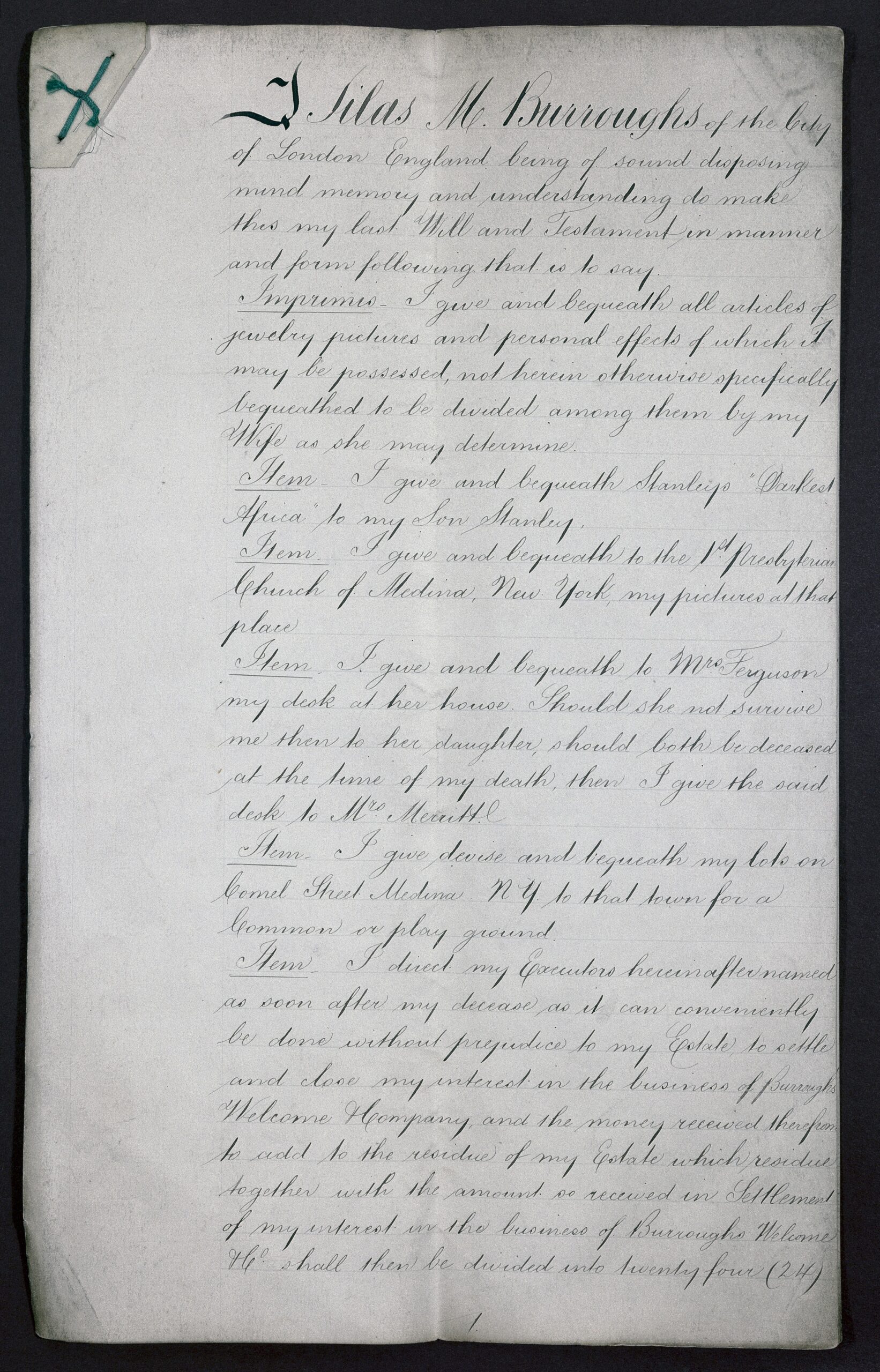
An artist’s estate is not only the work in the studio. It may include copyright, licenses, digital files, photographs, archives, contracts, websites, authentication responsibilities and the authority to decide how a name and body of work will be presented. If those elements are not documented together, heirs can inherit objects without the information or legal power needed to steward them.
A 2026 Joan Mitchell Foundation report describes legacy stewardship as part of cultural health rather than an afterthought. The practical implication is simple: legacy work should begin while an artist can still explain intentions, identify records and choose trusted people.
1. Separate the artwork from the copyright
Owning a painting is not the same as owning the copyright in it. Under United States law, the copyright and the physical object are distinct property. Selling or giving away an artwork does not automatically transfer the right to reproduce it. Copyright can be transferred in whole or in part and can pass by will or under intestate succession.
An estate plan should therefore identify both kinds of assets. List physical works and their locations, then list the copyrights, licenses and contractual obligations connected to them. For artists working internationally, local rules may differ, so qualified legal advice should address the jurisdictions that matter.
2. Build an inventory someone else can understand
A useful inventory records title, date, medium, dimensions, inscriptions, current location, ownership, exhibition history, publication history, condition and a reliable image. It should also show whether the work was sold, consigned, gifted, destroyed, altered or used to create an edition.
Consistency matters more than expensive software. A spreadsheet with stable identifiers is better than an elaborate database no one maintains. Keep backups in more than one place, preserve original image files, and document the system so a representative can continue it.
3. Record permissions, restrictions and promises
Gather gallery agreements, licenses, commissions, model releases, loan forms, edition records and image permissions. Note any promise that affects future use: an exclusive license, a charitable gift, a restriction on reproduction, or an agreement with a collaborator.
Digital work needs additional instructions. Identify domain names, cloud storage, social accounts, subscription tools, passwords and the person authorized to manage them. Do not place passwords directly in a public-facing will; use a secure system that the chosen representative can access lawfully.
4. Choose stewards for the actual work
The person suited to administer finances may not be the person best equipped to evaluate conservation, exhibitions, licensing or authentication. An artist can discuss with counsel whether different responsibilities should be divided among an executor, advisor, archivist, family member or specialized legacy entity.
The choice should be realistic. A trusted friend may understand the work but lack time, storage or funds. A foundation can sound permanent while carrying significant administrative costs. The plan should match the size of the estate, the condition of the archive and the resources available.
5. Write down artistic intentions without freezing the future
Artists should state what matters: whether unfinished works may be completed, how posthumous editions should be handled, who may authorize reproductions, what should happen to studio archives, and how the work should be described. These instructions can guide decisions without requiring heirs to preserve every object forever.
A concise letter of wishes can explain priorities in the artist’s own voice. It does not replace legal documents, but it can help future stewards understand why certain decisions matter.
6. Review the plan as the career changes
New representation, a major commission, a move, a marriage, a separation, a new country of residence or a growing digital practice can make an older plan inaccurate. Schedule a regular review and update the inventory at the same time.
The goal is not to control every future interpretation. It is to leave a usable map: what exists, who owns what, which rights travel with which works, and who has authority to act. That map protects heirs from avoidable conflict and gives the art a better chance to remain visible, legible and cared for.
This article provides general educational information and is not a substitute for legal, tax or estate-planning advice.