
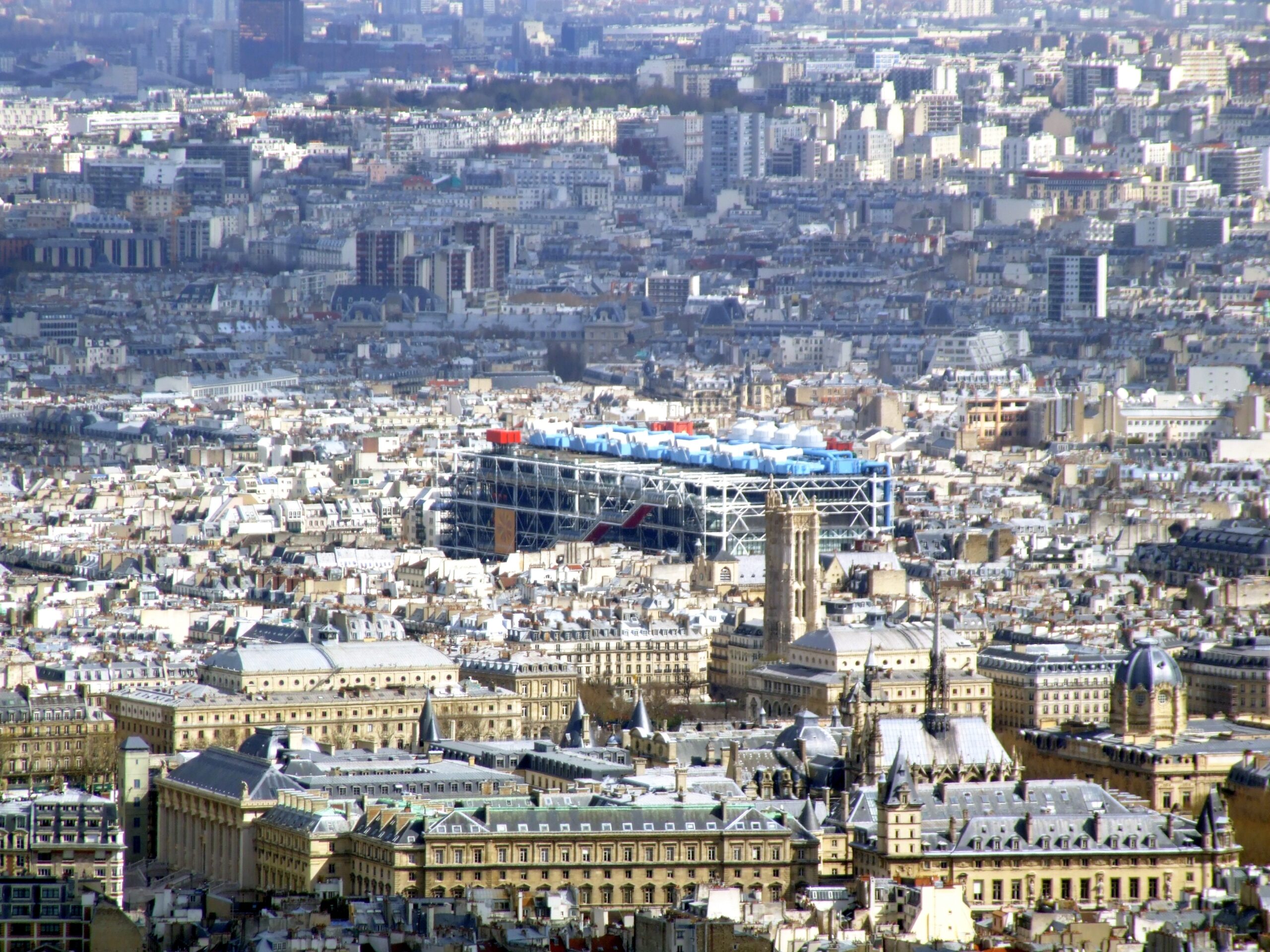

The Centre Pompidou’s new conservation and storage center in Massy is opening its doors for a preview weekend on October 24–25, offering a rare public glimpse of the infrastructure that allows art to outlive an exhibition. The site is designed to receive, examine, restore and store a collection of roughly 150,000 modern and contemporary works ahead of its full opening in spring 2027.
For artists, the lesson is immediate: preservation begins long before a museum acquisition. A work that depends on unusual materials, custom software, sound, performance, variable dimensions or a precise installation can become impossible to reproduce if its instructions exist only in the artist’s memory.
Create an artwork handover file
A useful handover file is not a promotional statement. It is a practical record that helps another person understand what the work is, what it requires and which elements may change without destroying its identity.
Start with a complete component list. Record every physical part, media file, cable, fastener, mount, edition certificate and piece of custom equipment. Give each item a stable name that matches labels on storage boxes and digital folders.
Then document installation. Include measurements, orientation, spacing, lighting, sound level, power needs, playback sequence, assembly order and the number of people or specialized skills required. Wide photographs are useful, but detail images and a simple diagram often answer questions that a glamorous installation shot cannot.
Define what may change
Contemporary work frequently contains elements that will become obsolete or unavailable. Screens fail, software stops running, pigments shift and organic materials age. The artist should state which substitutions are acceptable.
Identify the work’s essential properties: the qualities that must remain for the piece to retain its identity. A particular projector model may be replaceable while image scale and brightness are not. A performance may permit different performers but require a fixed sequence, duration or relationship to the audience.
The Metropolitan Museum of Art’s artist questionnaires ask about a work’s composition, creation, exhibition and future preservation. The Whitney Museum’s documentation templates similarly gather history, media, materials, technical specifications, installation instructions and preservation information. Artists can use those institutional models before any museum asks for them.
Separate preservation from ownership
The handover file should also clarify where the authoritative files are stored and who controls access. Preserve uncompressed masters separately from exhibition copies. Record checksums or version numbers for software and digital assets where possible. Keep passwords out of the main document; use a secure credential manager and a succession plan instead.
Note any third-party rights that affect future display, including licensed music, typefaces, performers, archival footage or code libraries. Documentation does not replace a contract, but it can reveal dependencies before they become urgent.
Add a contact chain for technical questions and state what should happen if the artist cannot be reached. For long-lived work, that instruction may be as important as the installation manual itself.
Update after every iteration
A handover file should change when the artwork changes. After each installation, record the equipment used, decisions made, failures encountered and approved deviations. The Met and Whitney both use iteration or exhibition reports for precisely this reason: a variable work accumulates knowledge through its presentations.
The Massy center makes conservation visible at institutional scale. Artists can adopt the same principle at studio scale. A clear handover file protects more than materials. It preserves intention, reduces guesswork and gives future caretakers a way to keep the work alive without silently remaking it.