
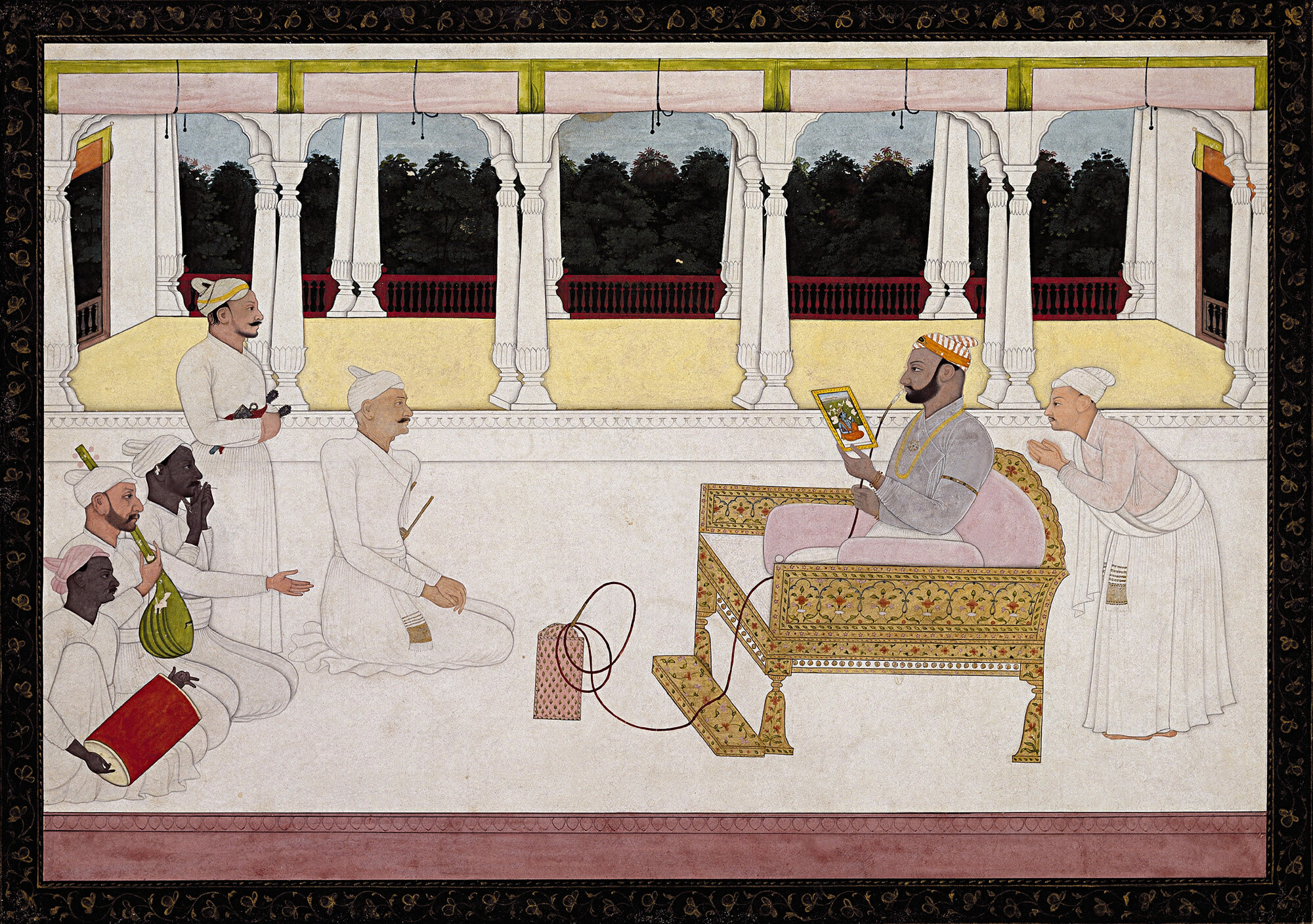

A convincing story is not the same as a documented history. Before acquiring an artwork, a collector should test the chain of information around it: who owns it, how it moved, whether the person selling it has authority, and which claims are supported by records rather than repetition.
Provenance is the history of ownership and custody. It can support attribution, legal title and value, but it is not a single certificate. Strong provenance is a connected body of evidence whose names, dates, places and object descriptions agree.
Start with the object, not the narrative
Record the artist, title, date, medium, dimensions, signatures, inscriptions, labels and distinguishing condition features. Compare those details with the invoice, catalogue entry, database record and photographs. A document describing “a landscape by the artist” is weak if the work has no stable identifier or measurements.
Ask for high-resolution images of the front, back, frame, labels, stamps and inscriptions. A complete view may reveal an old inventory number or exhibition label that can be checked independently. It may also expose contradictions: a label using a gallery name before that gallery existed, a printed typeface inconsistent with the stated period, or a stretcher mark that belongs to another country.
Build the chain one transfer at a time
List each known owner and the dates of ownership. For every transfer, ask what evidence connects the object to that person: an invoice, estate inventory, photograph, insurance record, correspondence, catalogue, customs document or publication. Mark gaps plainly. “European private collection” is not a chain of custody.
Responsible Art Market guidance recommends checking unexplained gaps, lost-and-stolen-art databases and documentary evidence, especially for archaeological objects and cultural goods. Export licenses, wills, dated inventories, catalogues and field records may be relevant depending on the object. No single document should be treated as conclusive when the stakes are high.
Verify independently
Contact the named gallery, auction house, archive or estate through contact details you locate yourself, not only those supplied by the seller. Search institutional catalogues and reputable publications. Check the INTERPOL Works of Art database and applicable national databases for lost or stolen objects. For significant purchases, consult a qualified provenance researcher, lawyer and conservator who do not have a financial interest in the sale.
Scientific examination can test materials and reveal inconsistencies, but it does not by itself prove authorship. A pigment compatible with 1900 shows that a work could have been made then; it does not establish who painted it. Technical evidence should be read alongside documentary and art-historical research.
Keep the uncertainty visible
Some histories will remain incomplete. The ethical response is not to convert a possibility into a fact. Separate “documented,” “reported” and “unverified” in your own records. If a seller will not allow reasonable verification, changes the ownership story or pressures you to move before checks are complete, pause the transaction.
Preserve the material you relied on: the signed invoice, seller representations, provenance statement, correspondence, payment record, export documents, condition report and original image files. Record the date on which databases were checked. Future owners should be able to understand both what you know and how you know it.
Good due diligence does not eliminate every risk. It turns a persuasive story into a testable record—and makes uncertainty harder to hide.