
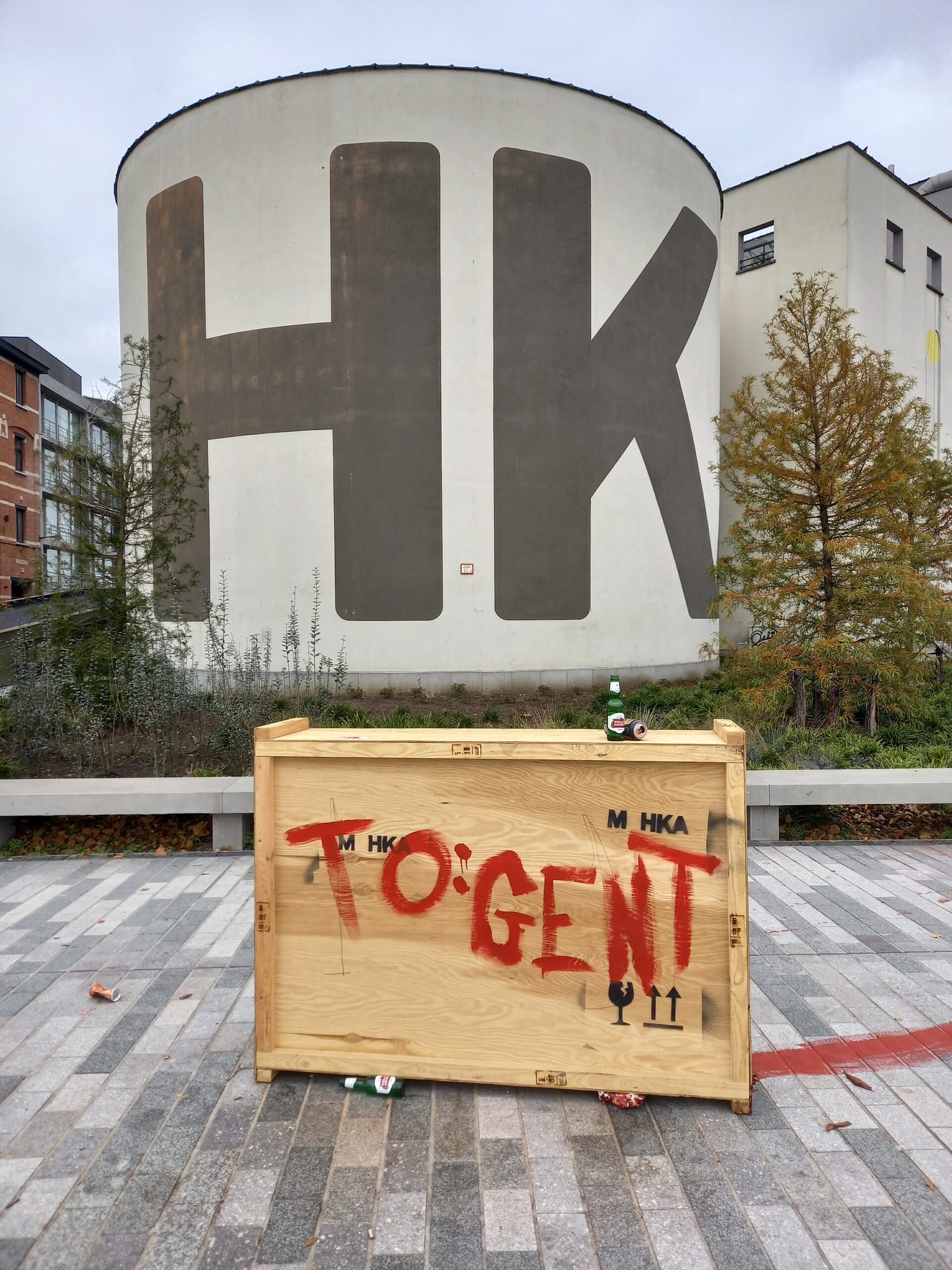
A handshake can begin an art loan. It should not define one.
Before an artwork leaves the studio, the artist and borrower should sign a written agreement that identifies the exact object, the reason for the loan, every approved venue, the dates, the costs, the care standards, and who carries the risk. A loan agreement is not a gesture of distrust. It is the shared map both sides need when plans change or something goes wrong.
Name the work and the permitted purpose
List the artist, title, date, medium, dimensions, edition or object number, owner, and current insurance value. Attach a clear image and a signed condition report. If the frame, base, mount, cable, media player, or custom crate is part of the loan, include it in the object schedule.
State the purpose of the loan and name each venue. A work approved for one exhibition should not travel to a second location, appear at a commercial event, or remain on view beyond the agreed dates without written consent. Extensions should be made by a signed amendment before the original term expires.
Put care and movement into the contract
The agreement should say who may pack, transport, unpack, install, deinstall, and repack the work. Identify any required fine-art carrier or courier, the route and schedule, storage conditions, security, handling limits, light exposure, temperature, humidity, mounting method, and emergency contacts.
Prohibit cleaning, repair, reframing, remounting, or alteration without the lender’s prior written approval. Require the borrower to compare the work with the outgoing condition report at arrival and before return, photograph any change, and notify the lender immediately if there is damage, loss, or delay.
Define insurance before transit
Museum policies commonly require all-risk, wall-to-wall coverage for the entire period from departure through return. An artist should not assume that a venue’s general business policy covers borrowed art, transit, theft, water damage, or the full agreed value.
The contract should identify the insurer, coverage period, insured value, deductibles, exclusions, and who receives any claim payment. Ask for a certificate of insurance before shipment. For international loans, address customs, taxes, export and import documents, and any risk of seizure with qualified professional advice.
Separate display from reproduction rights
Permission to display an artwork is not automatically permission to photograph, film, livestream, print, advertise, merchandise, or license its image to someone else. The agreement should define which reproductions are allowed, in which media, for how long, and with what credit line. It should also say whether installation photography, press images, social posts, and catalog use are included.
If a photographer or other rights holder controls the supplied image, that permission must be secured separately. The borrower should not promise rights it does not own.
Assign costs and the return plan
List responsibility for packing, crates, transport, courier travel, insurance, conservation, framing, mounts, customs, photography, and any loan fee. State the return address, deadline, approved method, and who pays if the loan is extended or recalled.
Finally, identify authorized contacts for both sides and require signatures and dates. Keep the agreement, condition reports, insurance certificate, transport records, images, and correspondence in one loan file.
Large institutional loans can involve registrars, conservators, insurers, customs specialists, and lawyers. An independent artist may not need the same machinery, but the same questions still apply. If the work, value, route, or legal jurisdiction is complex, use a qualified art lawyer, insurance broker, conservator, or registrar. The safest loan is the one whose responsibilities are clear before the crate is closed.