
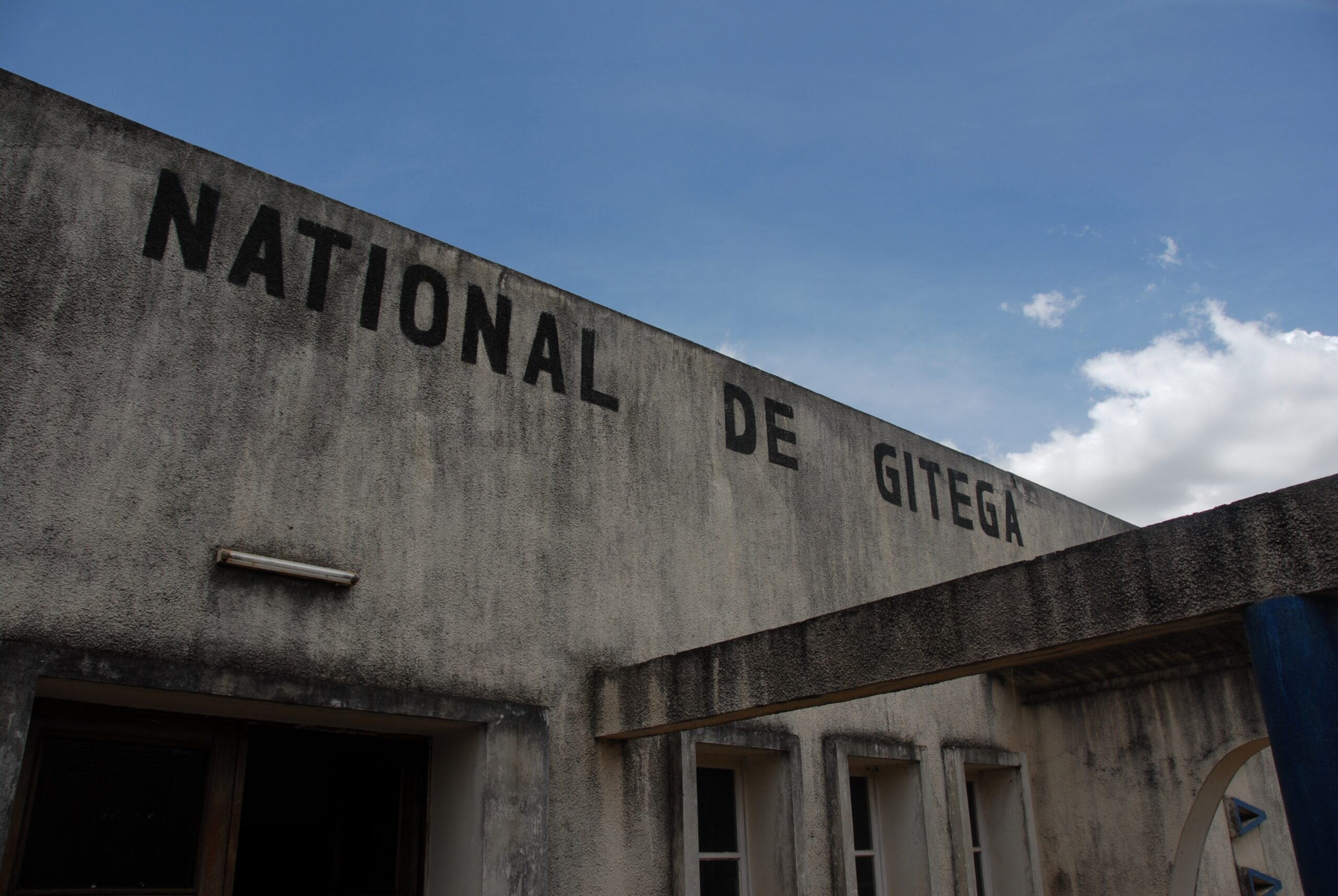

Burundi’s National Museum of Gitega is entering a rehabilitation and modernization project led by UNESCO with the International Alliance for the Protection of Heritage and the Burundian government. The work is not simply a building repair. It is an attempt to restore the museum’s ability to conserve collections, welcome visitors and teach a national history through objects.
UNESCO announced the project on November 3 after its formal launch in Gitega on September 22. The museum’s deteriorating condition has limited its work, and the plan addresses infrastructure, accessibility, conservation conditions and a new exhibition layout.
A national collection needs a functioning home
Built in 1947, inaugurated in 1955 and opened to the public in 1957, the National Museum holds ethnographic and archaeological collections that document the cultures and social histories of Burundi. UNESCO describes it as one of the country’s leading cultural institutions.
That status makes the building’s condition a public issue. When roofs, storage, climate control, security or visitor circulation fail, the consequences reach far beyond architecture. Objects become harder to protect. Research access narrows. Schools lose a place where material history can be encountered directly. Communities see a shared institution become less able to represent them.
ALIPH is providing financial support, while UNESCO is working with national authorities on rehabilitation and modernization. The project follows a UNESCO assessment mission in February 2026 that identified needs and priorities with Burundian counterparts.
Modernization without erasing ownership
The most important phrase in UNESCO’s announcement may be national ownership. International partnerships can bring funding, technical knowledge and visibility, but a national museum must remain accountable to the people whose histories it holds. Exhibition design, language, interpretation and collecting priorities cannot be treated as imported templates.
The planned exhibition layout is intended to make the collections more legible to varied audiences and to strengthen education. Accessibility is also part of the project. Those goals create an opportunity to ask who has historically been represented, who has been absent and how community knowledge can shape the museum’s future.
The project also sits within a broader heritage-protection context. UNESCO connects it to work against illicit trafficking and in support of return and restitution. Better documentation, storage and public interpretation can strengthen the museum’s ability to identify, protect and make claims for cultural property.
What artists should notice
For contemporary artists, a rehabilitated national museum can become more than a repository of the past. It can support research, commissions, education and dialogue between inherited forms and current practice. Artists often encounter national collections as sources of technique, symbolism, material knowledge and contested history.
The museum’s renewal will ultimately be measured through use: whether collections are safer, whether young visitors can enter and understand the institution, whether scholars and artists can work with its holdings, and whether communities recognize their histories in its rooms.
Gitega’s project is therefore a cultural-infrastructure story. Conservation is not only what happens to an object on a workbench. It is also the long work of building the conditions in which a society can keep, question and transmit its memory.