
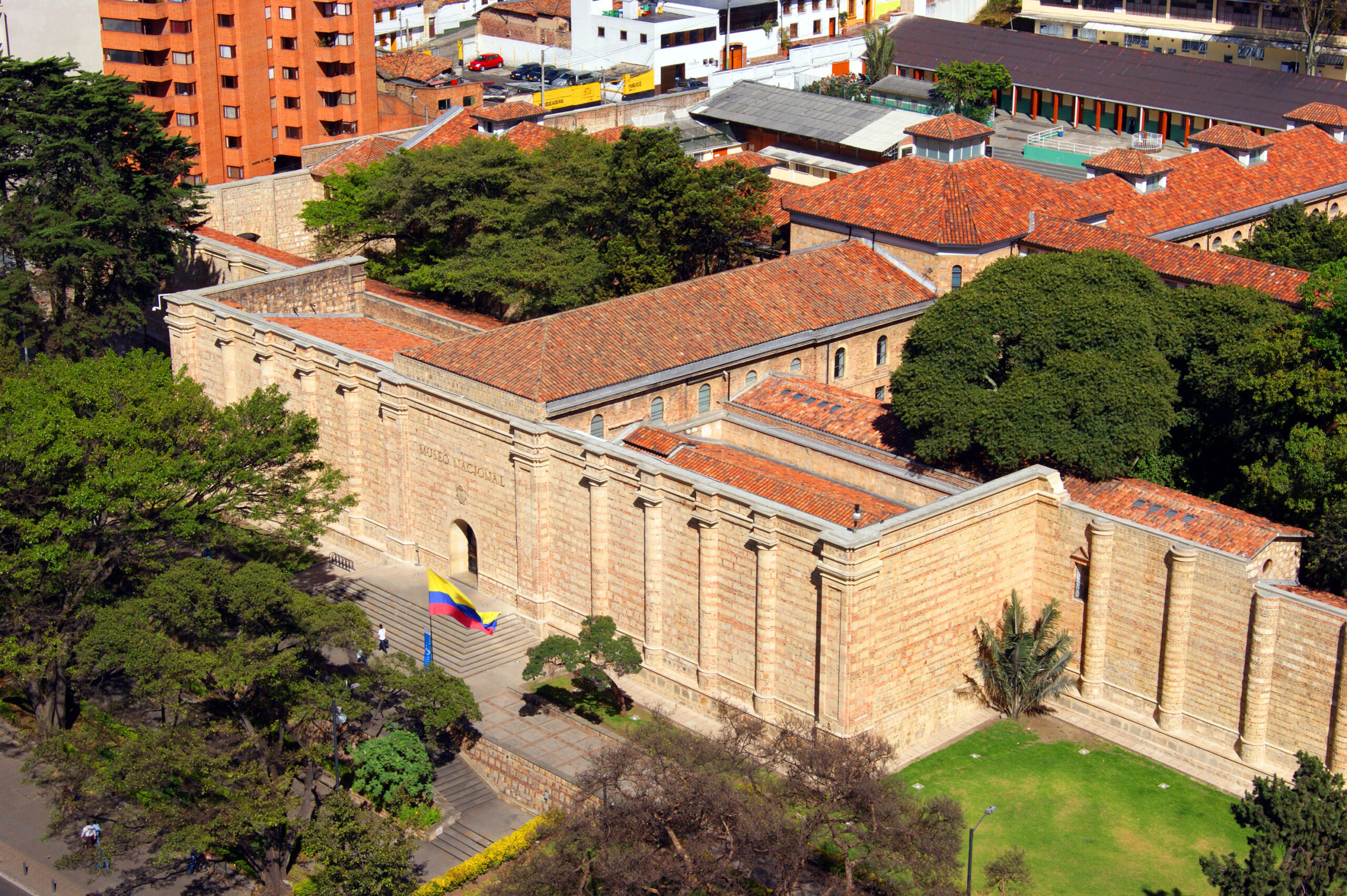

A national museum is never only a building full of objects. It is also an argument about what a country chooses to remember. In Colombia, that argument has moved into the open after the government removed more than 30 objects and displays from the Museo Nacional in Bogotá and announced a broader cultural “counterrevolution.”
The removed material addressed political violence and social movements, including feminist and LGBTQ+ histories. Artists, students, civil-rights groups and museum professionals have protested. On October 21, demonstrators again gathered outside the museum as police guarded the entrance.
From curatorial change to public controversy
Museums routinely revise permanent galleries. New scholarship, conservation needs and acquisitions can all justify change. What has made this case exceptional is the government’s explicitly ideological framing and the speed of the removals before a replacement interpretation was publicly established.
President Abelardo de la Espriella has said the effort is intended to stop what he calls “atheist social communism” from taking over cultural institutions. Culture Minister Paola Holguín has said museum exhibitions and curatorial practices are being reviewed and redesigned. Critics see the removals as censorship and historical erasure.
A Bogotá judge has ordered the government to protect the removed objects while their display is reviewed. Colombia’s Office of the Ombudsman has separately asked the culture ministry to explain the legal, technical and administrative basis for the decisions, the objects’ conservation conditions and the possibility of returning them to view.
The stakes extend beyond the missing objects
The immediate question is whether particular works and artifacts return to the galleries. The larger question is what standards should govern political intervention in a national collection. Curatorial independence does not place museums beyond public accountability. It does require transparent procedures, professional care and a willingness to present histories that may unsettle those in power.
For artists, the dispute touches the conditions under which work enters public memory. An artwork may be acquired, conserved and still made invisible. That possibility makes collection policy, loan language, display commitments and deaccession procedures more than administrative details.
Artists and lenders cannot control every future installation, but they can ask precise questions. Is the work entering a permanent collection or a temporary display? Does the agreement define attribution, contextualization or consultation? Who can authorize removal? What happens if an institution substantially changes the interpretation around the work?
A museum tested in real time
The Museo Nacional de Colombia, founded in 1823, holds art, archaeology, history and ethnography. Its role is unusually visible because the dispute is not confined to a specialist meeting: citizens are demonstrating outside, courts are intervening and other museums are warning about institutional autonomy.
No single exhibition can contain the full history of a nation. That limitation is an argument for plurality, not for narrowing the record to the worldview of one administration. A national museum earns public trust when it makes its choices legible and allows evidence, scholarship and many lived histories to remain in conversation.
Colombia’s museum dispute is still developing. What has already been revealed is the fragility of visibility. Culture can be preserved in storage while disappearing from civic life. The difference between conservation and public memory is the right to encounter the object—and to argue with the history it carries.