
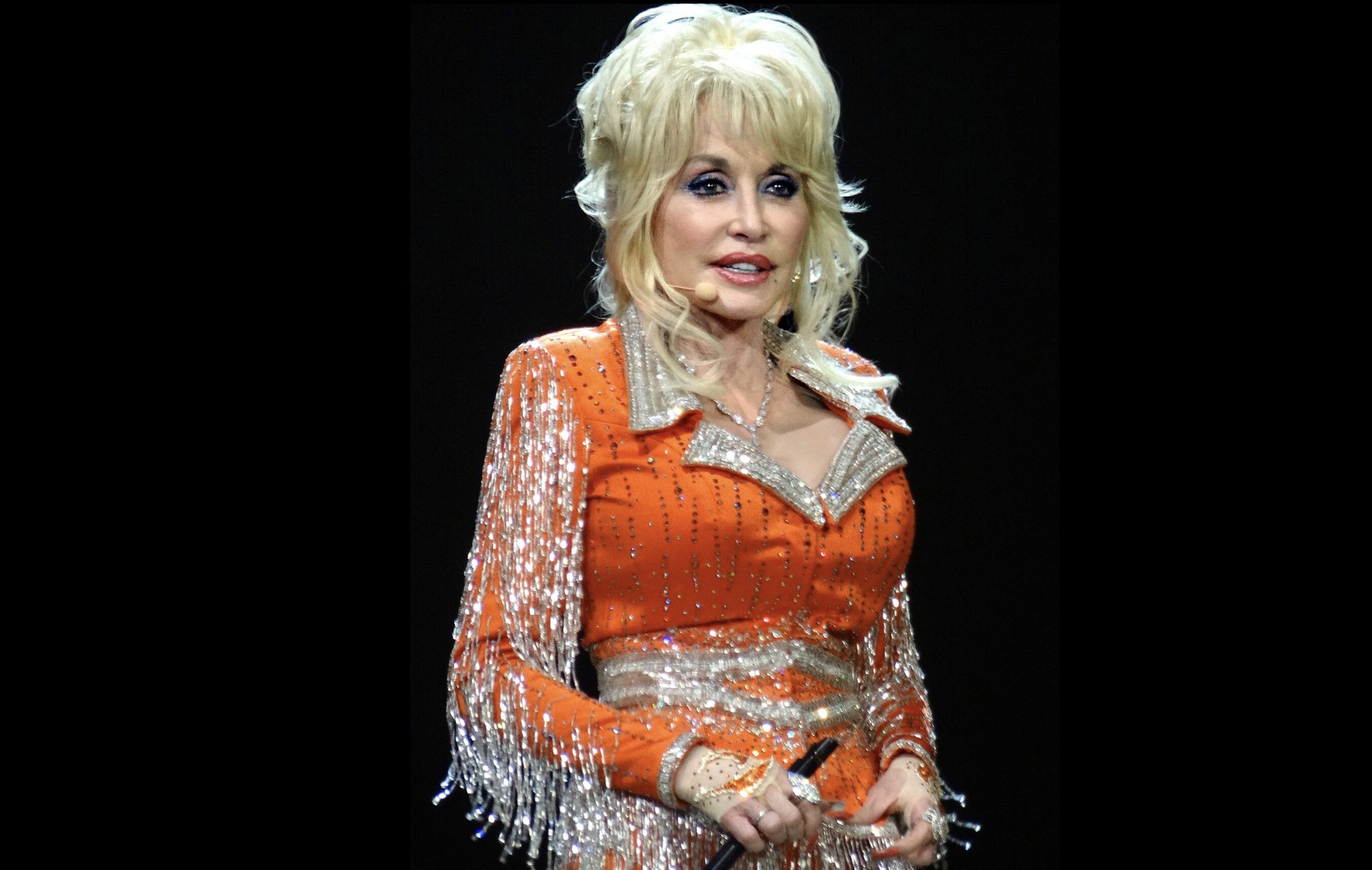

Remembering Dolly Parton, the extraordinary artist, storyteller, philanthropist and cultural icon whose life became a masterpiece of its own making
There are stars whose songs define an era. There are artists whose work crosses generations. And then, occasionally, there is someone whose presence becomes so deeply woven into culture that imagining the world without them feels almost impossible.
Dolly Parton was one of those rare people.
The legendary singer, songwriter, actress, entrepreneur and philanthropist died on August 25, 2026, at the age of 80, leaving behind an extraordinary creative legacy spanning nearly six decades.
But to remember Dolly Parton simply as a country music superstar would be to tell only a fraction of her story.
Dolly was an artist of reinvention.
She understood something that every great creator eventually discovers: we do not have to become what the world expects us to be. We can create ourselves.
And Dolly created herself magnificently.
From the Mountains of Tennessee to the World
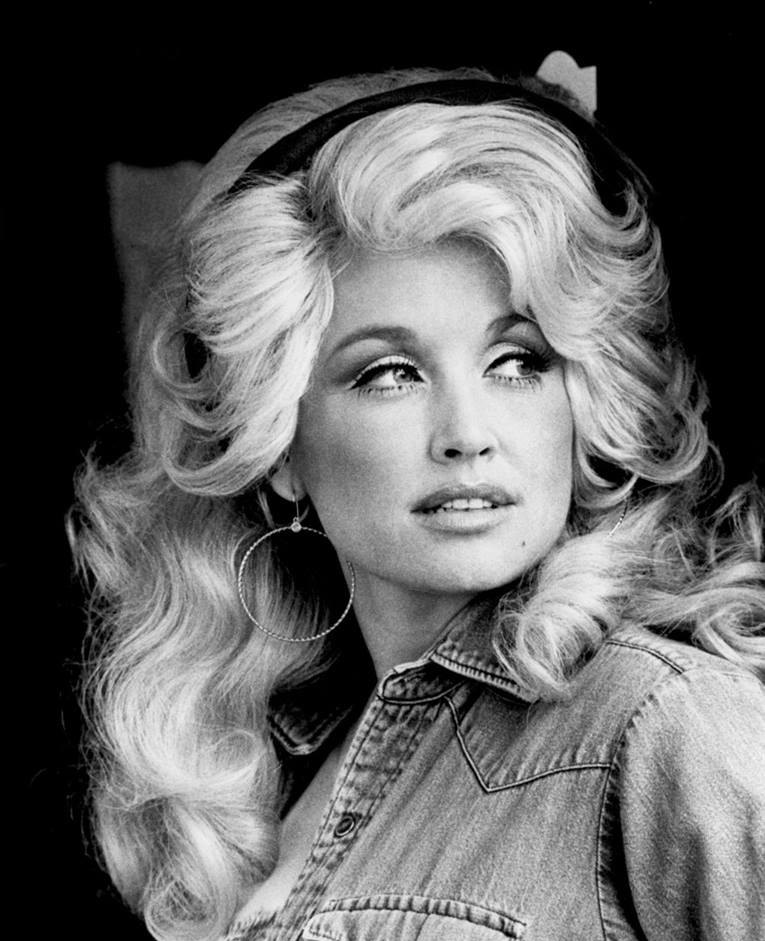
Born January 19, 1946, in Tennessee, Dolly Rebecca Parton grew up as one of twelve children in a family with very little material wealth.
What she did have was imagination.
She began writing songs as a child. Long before the rhinestones, towering blond hair, elaborate costumes and international fame, there was a little girl discovering that stories could become songs—and that songs could carry her beyond the mountains where she was born.
That instinct would eventually transform her life.
After graduating from high school, Dolly headed to Nashville, determined to build a life in music. Her 1967 debut album, Hello, I’m Dolly, announced the arrival of a voice that was unmistakably her own.
What followed was one of the most remarkable careers in popular music.
She would write thousands of songs and sell more than 100 million records worldwide. Songs including “Jolene,” “Coat of Many Colors,” “9 to 5” and “I Will Always Love You” became more than hits.
They became part of our cultural memory.
Yet numbers have never adequately explained Dolly Parton.
Her greatest achievement may have been something far more difficult to quantify:
She made millions of people feel that they knew her.
The Artist Behind the Image
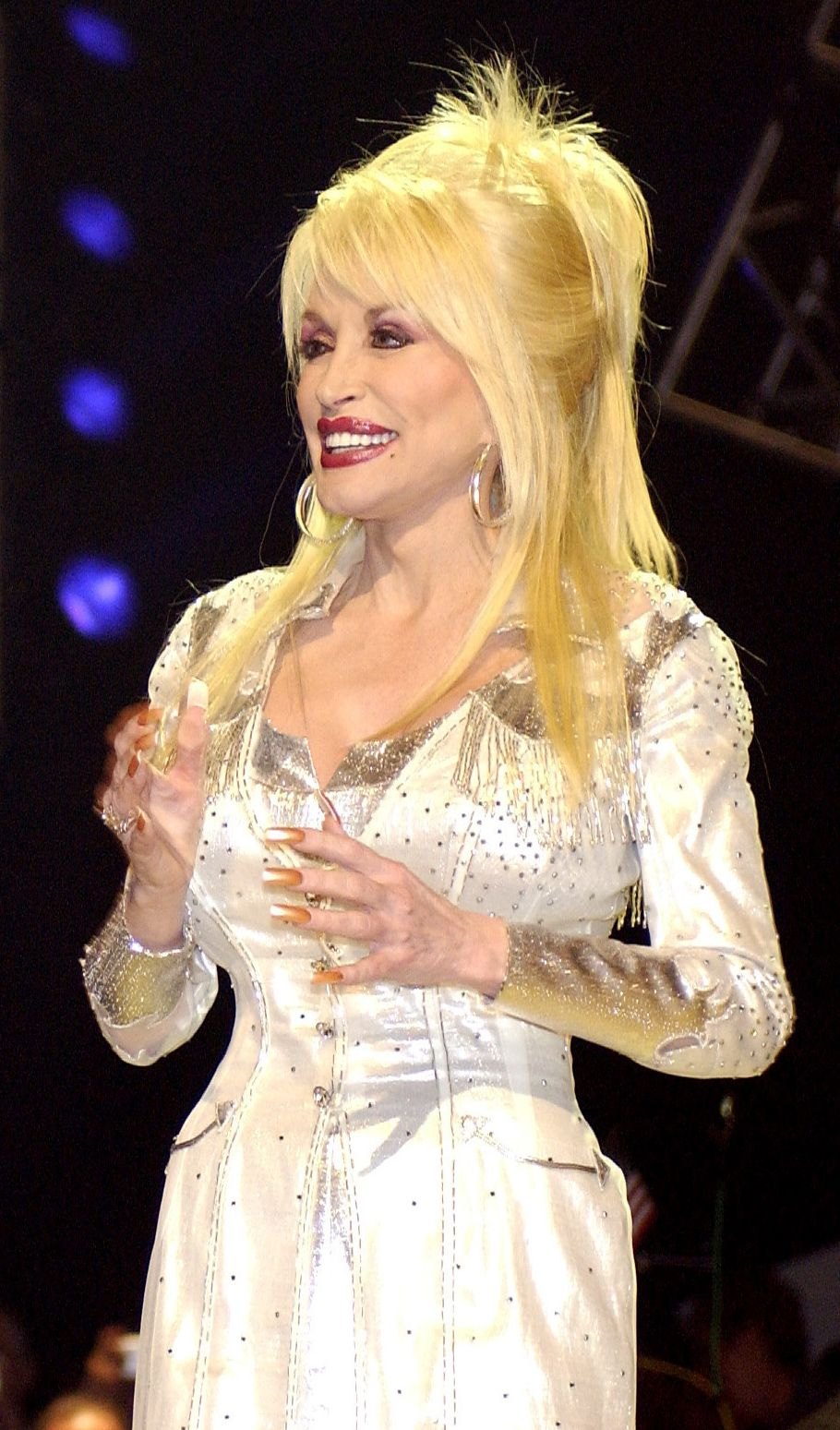
Dolly understood the power of visual identity long before personal branding became part of our vocabulary.
The hair. The rhinestones. The dramatic silhouettes. The impossible heels. The colors. The unmistakable voice.
Nothing about the Dolly Parton the world encountered was accidental.
She turned herself into a living piece of pop-cultural iconography.
And perhaps one of the most fascinating things about Dolly was that she was completely aware of it.
She could laugh at her own image while simultaneously controlling it with extraordinary precision. Beneath the glamorous exaggeration was an intelligent businesswoman and a serious songwriter who understood exactly what she was doing.
The image was playful.
The artistry behind it was not.
Dolly transformed fashion, performance, humor, storytelling and music into a singular creative language.
Before today’s conversations about identity, self-invention and wearable art, Dolly had already spent decades demonstrating how clothing and appearance could become extensions of an artist’s narrative.
She didn’t simply wear costumes.
She created a character that revealed rather than concealed the woman inside.
That paradox was part of her genius.
A Storyteller First
Behind all the spectacle was an extraordinary storyteller.
Dolly’s songs frequently returned to the subjects that had shaped her own life: poverty, family, heartbreak, ambition, dignity, faith, independence and survival.
Perhaps nowhere is that clearer than in Coat of Many Colors, inspired by the coat her mother made for her from scraps of fabric when Dolly was a child.
In lesser hands, poverty might have become merely tragedy.
Dolly transformed it into beauty.
That is what artists do.
They take the fragments life gives them—sometimes beautiful, sometimes painful—and rearrange them until they become something capable of touching another human being.
Her songwriting could be deceptively simple. The melodies were memorable and the language accessible, but underneath them lived remarkably complex emotions.
Longing. Jealousy. Loss. Independence. Humor. Hope. Love.
Her 1974 composition “I Will Always Love You” would eventually become one of the most famous songs in modern music when Whitney Houston recorded it for The Bodyguard in 1992.
Two completely different voices. Two extraordinary women. One timeless piece of songwriting.
That is the strange immortality of art.
The artist creates something in one moment, and it continues traveling long after that moment has disappeared.
Creating Her Own Definition of Beauty
There is another part of Dolly’s legacy that deserves attention, particularly in a publication devoted to art and culture.
Dolly Parton turned her own body and appearance into a canvas for self-expression.
Her exaggerated femininity was sometimes dismissed as superficial by people who failed to understand the sophistication behind it.
Dolly understood.
She knew exactly where the inspiration came from: from a childhood fascination with glamour and with women who looked completely different from the conservative world surrounding her.
Instead of allowing other people to define what was tasteful, beautiful or appropriate for her, she constructed her own aesthetic vocabulary.
Big hair. Long nails. Sequins. Fringe. Crystals. Bright colors. Figure-hugging silhouettes.
She took everything conventional taste told women might be too much and made it unmistakably Dolly.
And somehow, beneath all that theatricality, she remained extraordinarily approachable.
That is difficult to accomplish.
Dolly wasn’t asking permission to be seen.
She was creating the terms on which she would be seen.
For artists of every discipline, there is something profoundly powerful in that.
From Music to Cinema
Her creativity refused to remain inside one medium.
In 1980, Dolly made her major film debut alongside Jane Fonda and Lily Tomlin in 9 to 5. The film became a cultural touchstone, while Dolly’s title song became one of the defining anthems of working life.
More films followed, including The Best Little Whorehouse in Texas and Steel Magnolias.
Once again, audiences discovered that the carefully constructed image never limited Dolly.
It liberated her.
She could walk onto a movie screen looking unmistakably like Dolly Parton and still make us believe the woman she was portraying.
Music, cinema, television, fashion, theater—Dolly moved between them all.
Her medium was ultimately Dolly.
Success That Returned Home
For all her global fame, Dolly never severed the connection to the Tennessee mountains that had created her.
In 1986, she became involved with the theme park that would become Dollywood, transforming it into one of Tennessee’s major attractions and creating jobs and economic opportunity in the region where she had grown up.
There is something poetic about that circle.
The young woman left Tennessee carrying enormous dreams.
The successful woman returned carrying opportunity.
But perhaps her most beautiful legacy outside entertainment began in 1995.
That year, she created Dolly Parton’s Imagination Library, initially providing free books to young children in her home county.
The idea was deeply personal.
Her father had been unable to read and write, and Dolly understood what illiteracy could take from a person’s life.
What began locally grew into an international literacy movement that has distributed hundreds of millions of books to children.
Think about that for a moment.
A little girl from the mountains who discovered freedom through imagination grew into a woman who spent decades putting imagination into the hands of other children.
That may be one of the most beautiful works she ever created.
Generosity as Part of the Legacy
Dolly’s philanthropy extended far beyond literacy.
When devastating wildfires struck Tennessee in 2016, she helped families who had lost their homes.
She supported hospitals, educational initiatives and numerous charitable causes.
During the COVID-19 pandemic, she donated $1 million to Vanderbilt University Medical Center to support research that contributed to the development of the Moderna vaccine.
But Dolly rarely seemed interested in presenting herself as a saint.
That wasn’t her style.
She remained funny, irreverent, glamorous and wonderfully human.
Perhaps that is precisely why her generosity resonated.
She didn’t seem interested in becoming a monument.
She was interested in being useful.
Love, Loss and the Courage to Keep Creating
Behind one of the world’s most public personalities was an extraordinarily private love story.
Dolly married Carl Dean in 1966.
Their marriage lasted nearly six decades, while Dean famously chose to remain almost entirely outside the spotlight surrounding his wife.
He died in March 2025.
For Dolly, losing the man who had been beside her for most of her adult life was an enormous personal loss.
And still, she continued creating.
Only days before her death, Dolly was still speaking publicly about the things she hoped to accomplish.
There is something deeply moving about that.
After decades of achievements that would have been enough for several lifetimes, she still saw possibilities ahead.
Perhaps that is one of the most important lessons artists can take from her life.
The creative life is never truly finished.
There is always another song. Another idea. Another dream. Another opportunity to give something to the world.
An American Original
Dolly Parton spent her life resisting easy categorization.
She could stand inside tradition while simultaneously challenging it.
She could be glamorous without apologizing for it, ambitious without disguising it and enormously successful without abandoning the place she came from.
She belonged to country music, but country music could never contain her.
She belonged to Tennessee, but the world claimed her.
She was a songwriter, but also an actress. A celebrity, but also a philanthropist. A businesswoman who could laugh at herself. A carefully constructed icon who somehow remained remarkably human.
And through all those contradictions emerged something increasingly rare:
an original.
Not because nobody influenced her.
Every artist carries the voices, images and landscapes that came before.
Dolly was original because she transformed everything she inherited into something unmistakably her own.
The Art of Becoming Unforgettable
There is a temptation, when someone as famous as Dolly Parton dies, to measure a life through accomplishments.
The awards. The records. The movies. The chart positions. The millions of albums sold. The photographs with presidents and celebrities. The honors.
But perhaps legacy is something else.
Perhaps legacy is what remains in people after you leave.
And by that measure, Dolly’s is enormous.
She showed a little girl growing up without privilege that beginnings do not have to determine endings.
She showed women that femininity and intelligence were never mutually exclusive.
She showed creators that commercial success did not require abandoning authenticity.
She showed businesspeople that prosperity could return something to the community that helped create it.
And she showed artists that you can be influenced by where you come from without allowing it to determine how far you are permitted to go.
Most importantly, she understood that becoming unforgettable was not about being famous.
It was about creating something worth remembering.
What Remains
Today, the world mourns Dolly Parton.
But artists leave behind a peculiar kind of evidence that they were here.
A painting remains on a wall. A film continues playing. A book waits for another reader.
A song finds another listener.
Somewhere tonight, someone will hear the opening notes of Jolene.
Someone will discover Coat of Many Colors for the first time.
Someone will sing 9 to 5 while driving to work.
Someone who wasn’t even alive when Dolly recorded I Will Always Love You will fall in love with it.
And somewhere, a child will open a book that arrived because a woman who grew up with almost nothing decided that imagination should never be a privilege reserved for the fortunate.
That may be the most beautiful monument an artist can leave behind.
Dolly Parton showed us that creativity could be joyful without being shallow, glamorous without being empty, commercially successful without abandoning humanity, and deeply personal while still speaking to millions.
She turned the circumstances of her life into stories.
She turned those stories into songs.
She turned those songs into a legacy.
And ultimately, she transformed herself into something no marketing campaign could manufacture:
unforgettable.
Dolly Parton was 80 years old.
The woman is gone.
The artist will keep traveling.
And somewhere, the music is already playing.
In memory of Dolly Parton, 1946–2026.