

The European Union has launched a ten-year, €215 million partnership to protect cultural heritage from climate and environmental change. The European Partnership for Resilient Cultural Heritage brings together 90 partners from 30 countries, with €65 million contributed through Horizon Europe.
The scale signals a shift in how climate risk is being understood across culture. Heritage is no longer treated only as a set of objects or buildings to rescue after a flood, fire or heat event. The partnership is designed to connect climate science, conservation, public policy, local knowledge and cultural practice before damage occurs.
From emergency response to long-term adaptation
The program aims to coordinate research across countries, fund transnational projects and bring cultural heritage into mainstream climate policy. That matters because institutions often face the same threats with uneven resources: extreme heat can destabilize interior environments, flooding can damage collections and archives, drought can alter historic landscapes, and changing humidity can accelerate material decay.
Resilience is not only technical. Decisions about what to protect, document, move or transform involve communities and cultural values. The partnership explicitly connects scientific evidence with local and traditional knowledge, creating space for practices that have often been treated as peripheral to formal conservation.
What this means for artists and institutions
For artists, the initiative may open opportunities well beyond conventional exhibition funding. Climate adaptation needs visual research, public engagement, mapping, oral history, speculative design and new ways of making slow environmental change perceptible. Artists can contribute methods for understanding risk, not just images illustrating it.
Institutions should begin preparing now for the research calls and partnerships that will follow. A useful first step is to document specific climate vulnerabilities in collections, buildings and outdoor works; identify missing expertise; and establish relationships with universities, conservation scientists, emergency planners and community groups. Cross-border proposals are more credible when they begin with a clearly defined local problem and a plan for sharing results.
The program also raises an important editorial question: whose heritage is considered resilient, and who bears the cost of adaptation? High-profile monuments can attract investment, while artist-run spaces, vernacular buildings, community archives and living traditions remain exposed. Meaningful resilience will require funding models that reach beyond flagship institutions.
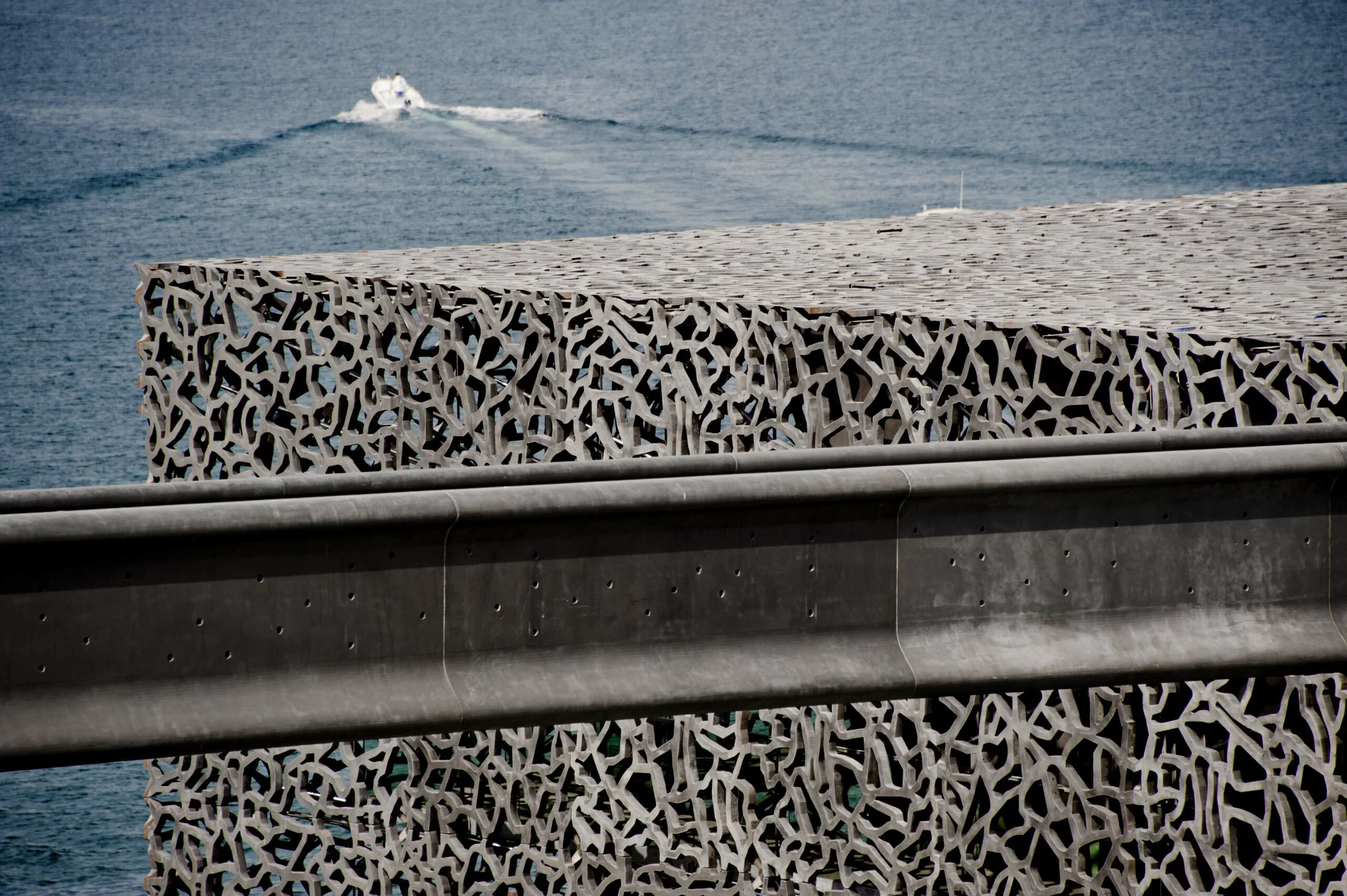
Launched in Marseille at Mucem, the partnership offers a decade in which cultural organizations can move from isolated emergency measures toward shared infrastructure and evidence. Its promise is not that climate damage can be eliminated. It is that culture can become an active participant in adaptation—protecting memory while also helping communities imagine how to live through change.