
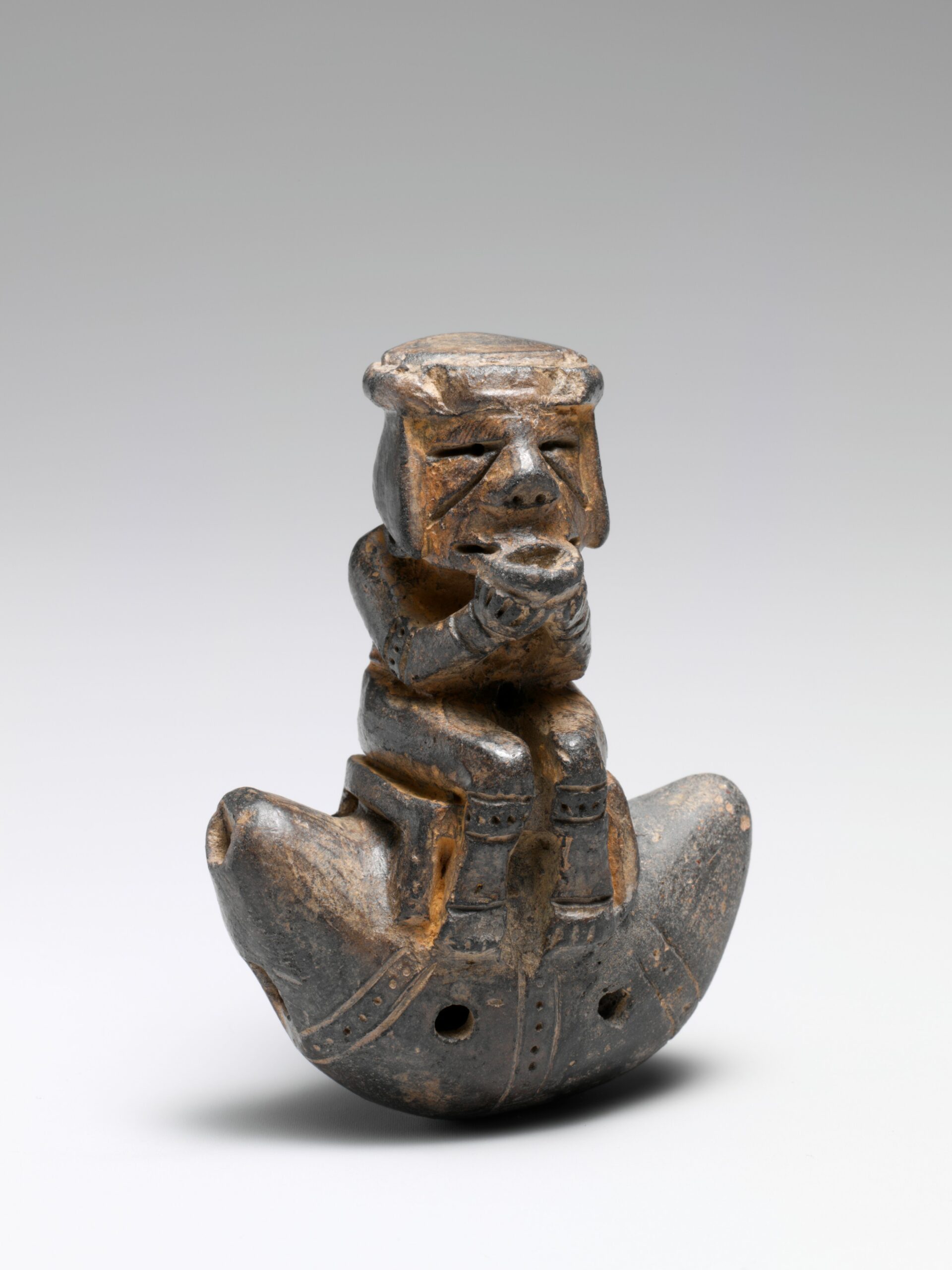

Latin America and the Caribbean now have a number large enough to change the conversation about cultural-property restitution: more than 37,000 objects recovered across 357 return cases between 2015 and 2023. The figure comes from UNESCO’s first comparative regional study, presented to MERCOSUR representatives and specialists in Montevideo and published on October 30.
The count is striking, but the more consequential finding is structural. An object does not return because someone recognizes it in an auction catalogue or social-media post. It returns only when identification, documentation, law enforcement, diplomacy, conservation and transport work as one chain.
Restitution is an operating system
UNESCO’s study examined fifteen countries and found that diplomatic channels were used in 305 cases, police action in 116 and judicial proceedings in 13. Those numbers are not mutually exclusive; one return can require several mechanisms. Together they show why restitution cannot be assigned to a single ministry or museum department.
The regional seminar brought culture officials together with customs, security services, prosecutors, foreign-affairs representatives and museum professionals. That mix matters. A curator may identify an object, but customs officers may intercept it; prosecutors may need evidence of unlawful export; diplomats may negotiate the transfer; conservators must then make sure the object can travel safely.
The study also recorded 106 bilateral agreements and highlighted MERCOSUR’s Agreement on the Protection and Recovery of Cultural Property. Treaties create routes for cooperation, but UNESCO’s recommendations point to the daily infrastructure that makes them usable: updated laws, trained specialists, documentation standards, interoperable databases and regular information sharing.
The market is now part of the border
One recommendation deserves special attention from museums, collectors and dealers: monitor auction houses and digital platforms. Cultural objects can move through global markets before authorities know they are missing. Online listings compress the distance between an archaeological site, a private seller and a buyer on another continent.
That makes photographic records, collection inventories and export documents more than administrative paperwork. They are evidence. A clear image, measurement, accession number, ownership history or excavation record can determine whether an object is recognized and whether a claim survives legal scrutiny.
For responsible buyers, the study reinforces a simple principle: a compelling story is not provenance. Before acquiring an antiquity or ethnographic object, ask for a documented chain of ownership, lawful-export evidence where relevant, and records that can be independently checked. Gaps should be investigated before money changes hands, not after a public claim.
What the regional count changes
The 37,000-object total makes visible what individual return ceremonies can conceal. Restitution is not a sequence of isolated diplomatic victories. It is a regional system coping with recurring trafficking routes, uneven records and objects that may have crossed several jurisdictions.
UNESCO says the digital version of the comparative study is due in November. Its value will depend on the detail it preserves: which mechanisms succeeded, where cases stalled and how countries can make data usable across borders without exposing vulnerable sites or investigations.
For artists and cultural audiences, the issue reaches beyond antiquities. Restitution changes which communities can encounter their heritage, which institutions carry the burden of proof and how the market defines legitimate ownership. The next advance will not be another dramatic return alone. It will be a system that makes disappearance harder, detection faster and recovery less dependent on luck.