
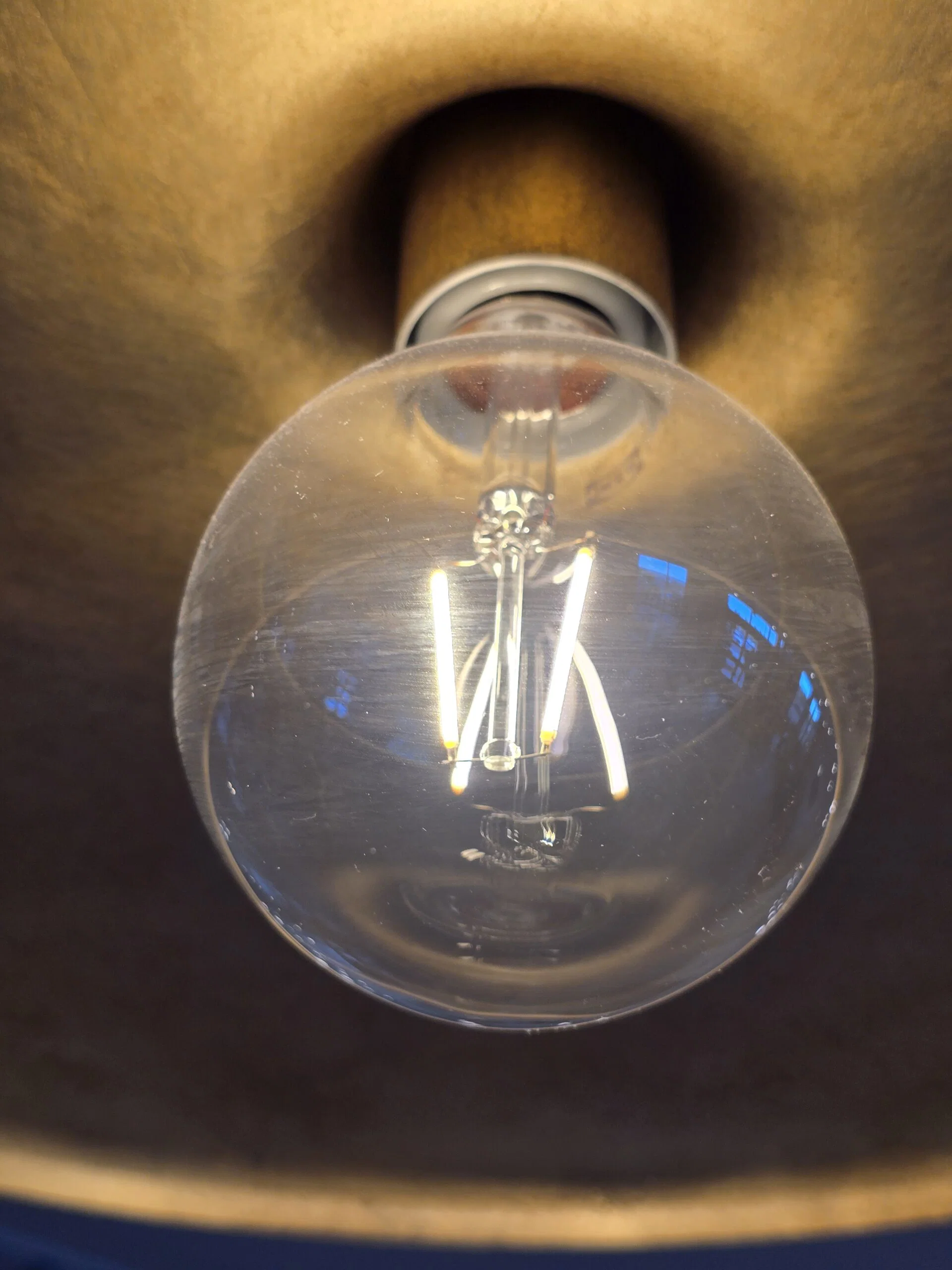

A light-based artwork can look effortless while depending on a fragile network of bulbs, drivers, wiring, control systems, color temperatures and installation decisions. When one component fails, replacing it with the nearest commercial equivalent may keep the work illuminated and still alter the artwork.
That problem is the focus of Lights On: Sustaining Light-Based Art, a conservation gathering at Hamburger Bahnhof on November 13. Its urgency extends well beyond museum collections. Artists can make future care far easier by creating a preservation record while the work is functioning and its decisions are still fresh.
Define what must not change
Begin by separating the work’s identity from its current hardware. Is a particular lamp model conceptually essential, or is the important property its warmth, brightness, beam angle, flicker, heat or rate of fading? Does the viewer need to see the fixture, or only the light it produces? Can a control unit be replaced if its timing remains exact?
Write these answers in plain language. Rank components as essential, preferred or replaceable. Museums such as the Guggenheim emphasize this distinction because obsolete equipment is not automatically the artwork, while an apparently minor substitution can compromise the intended experience.
Record the successful installation
Photograph the work from fixed viewpoints in a darkened and normally lit room. Include wide views, details, cable routes, labels and the backs of components. Record a short video that captures startup, transitions, timing and shutdown. Note wall colors, room dimensions, ambient-light limits, viewing distance, sound conditions and power requirements.
Keep a component inventory with manufacturer, model, serial number, supplier, date purchased and known lifespan. Save manuals, wiring diagrams, controller settings, source files and software versions. Generate checksums for digital files and store verified copies in more than one location. Documentation should be detailed enough that a qualified technician can understand not just how the system connects, but why it behaves as it does.
Plan substitutions before failure
Test likely replacements while the original system still works. Compare color temperature, color rendering, dimming curve, beam spread, response time and visible flicker. If the work uses fluorescent, neon or incandescent technology, decide whether migration to LED is acceptable and under what conditions. Preserve a working reference component when possible.
Create a decision log for every change. Record what failed, what was substituted, who approved it and how the new iteration compared with the previous one. The Guggenheim’s use of installation requirements and iteration reports offers a useful model: one document defines the work, while another records each realization.
Clarify rights and responsibility
State who may authorize technical changes after a sale or after the artist is unavailable. Identify fabricators, programmers and technicians who hold essential knowledge. Address source-code ownership, access credentials and third-party licenses. If the work is an edition, specify whether replacement components must remain consistent across all examples.
A preservation plan is not an attempt to freeze a technological artwork in time. It is a way to let change happen without losing the choices that make the work itself. The best moment to create that plan is before the first bulb goes dark.