
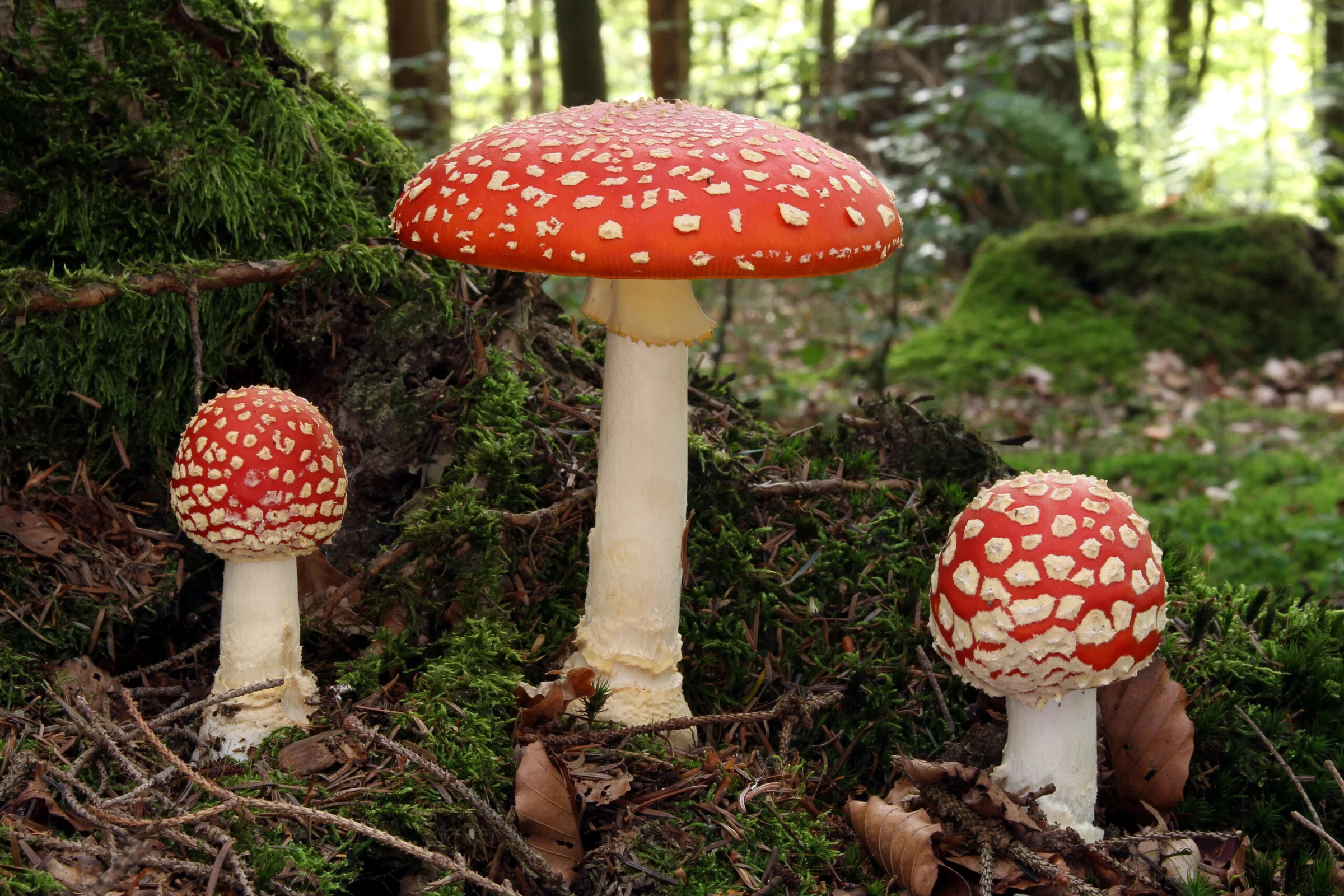

Fungi are easy to notice when they erupt above ground and almost impossible to comprehend when their networks disappear beneath it. A new exhibition at Exeter’s Royal Albert Memorial Museum & Art Gallery uses art to make that hidden world felt.
Living Labyrinths: Art and Fungi, open from October 3 through February 21, 2027, brings contemporary artists into conversation with natural-history specimens, historic works, scientific research, sound, and the museum’s collections. Its subject is not simply the mushroom as an image. It is the fungal network as a way of thinking about relation, decay, regeneration, and interdependence.
From specimen to collaborator
The exhibition includes Beatrix Potter’s closely observed fungal watercolors and a collage series by Cy Twombly, placing familiar names alongside less conventional forms of research and making. Potter’s work is especially revealing: long before she became internationally known for children’s books, she studied fungi with sustained scientific attention.
Two new commissions extend the exhibition into the present. Gemma Anderson-Tempini examines the human mycobiome, while sound artist Jason Singh works with the idea of mycelial networks through a bio-sonic approach. Together, the projects shift fungi from passive subject to active system—something sensed through the body as well as seen.
Art as a bridge between fields
Fungal science can be technically complex, but its implications are immediate. Fungi participate in nutrient exchange, decomposition, soil health, plant relationships, food systems, medicine, and the balance of ecosystems. Art can translate those processes without flattening them into an illustration.
That translation works best when artists are embedded early. The exhibition’s commissioning process shows how museums can connect artists with scientists, collections, and specialist knowledge rather than asking for a decorative response after research is complete.
What artists can learn from the model
For artists interested in environmental work, Living Labyrinths offers a strong production model. Begin with a question that crosses disciplines. Identify the archive, collection, landscape, or laboratory that can deepen it. Then develop a form—sound, drawing, moving image, installation, or participatory work—that allows the public to experience the research rather than merely receive its conclusions.
The approach also creates multiple routes for an artwork to circulate. A commission grounded in research can generate an exhibition, public program, publication, educational resource, digital story, or future partnership. That expanded life should be addressed in contracts, including image rights, documentation, credit, and reuse.
Making the invisible public
Environmental art is sometimes expected to deliver a simple message. Fungal networks resist that demand. They are neither a perfect metaphor for cooperation nor a tidy symbol of renewal. They include competition, dependence, toxicity, transformation, and extraordinary resilience.
That complexity is precisely why the subject matters. Living Labyrinths suggests that ecological understanding can begin with attention: looking closely, listening differently, and recognizing that much of what sustains a visible world remains out of sight.