
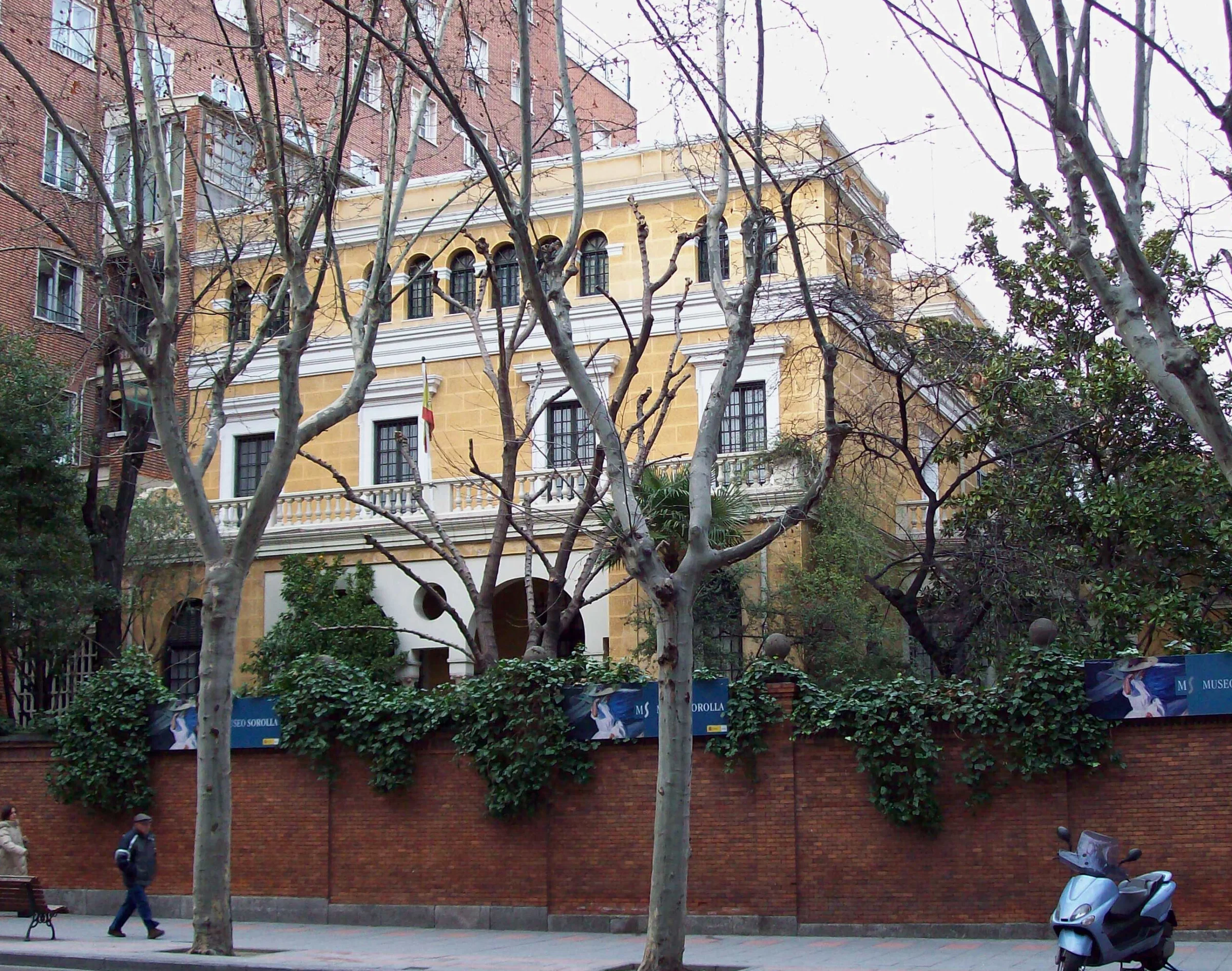

Madrid’s Museo Sorolla opens a major new extension to the public on October 15, restoring public activity after a two-year closure and giving the artist’s house-museum room to function as a modern research, exhibition and cultural institution.
The first completed phase adds more than 2,000 square metres of spaces and services, including exhibition areas, an auditorium, storage and facilities designed for the operational needs of a museum whose original home was conceived for a family rather than a growing public collection. Spain’s Ministry of Culture places the total investment at more than €13.1 million, including the acquisition, rehabilitation and equipment of the adjoining building.
A museum expands without abandoning the house
Joaquín Sorolla personally oversaw the construction of his Madrid home and studio between 1909 and 1911. It opened as a museum in 1932 and retains an unusual intimacy: paintings, furnishings, gardens and working spaces remain tied to the rhythms of domestic life. That atmosphere is the institution’s greatest asset, but it also created practical limits for conservation, research, public programming and visitor movement.
The new building at 68 Calle Zurbano is intended to absorb functions that the house could not comfortably support. Its opening exhibition, Behind the Artist’s House: The Architecture of the Sorolla Museum, 1905–2026, traces the evolution of the site from the artist’s own plans to the current project by Nieto Sobejano Arquitectos.
The historic residence itself remains under restoration, so the reopening is a milestone rather than the end of the project. That distinction matters: the institution is restoring public access in stages while protecting the character of a fragile artist environment.
Why the model matters
Artist house-museums face a particular curatorial problem. Their appeal depends on authenticity and scale, yet successful museums need climate control, accessibility, storage, staff facilities, digital infrastructure and space for temporary exhibitions. When those functions are forced into the historic rooms, the very qualities visitors come to experience can be compromised.
The Sorolla project offers a useful architectural answer: place new museum infrastructure beside the original house, allowing the residence to remain legible as a home and studio. The approach also broadens the institution’s editorial range. With dedicated temporary-exhibition and research space, the museum can situate Sorolla within architecture, design, social history and the work of other artists rather than relying only on a permanent biographical display.
What artists and small institutions can learn
The scale is national, but the principle applies to smaller archives and foundations. Separate the experience of the work from the operational systems that support it. A studio archive does not need to imitate a large museum, yet it benefits from clear zones for storage, documentation, research, visitor access and interpretation.
Expansion can also be narrative, not only physical. A collection becomes more useful when exhibitions explain how the work was made, how the space shaped it and how the artist’s practice connects to wider histories. The new Sorolla exhibition makes the building itself part of the story, turning infrastructure into interpretation.
For museums competing for attention, that layered experience is increasingly valuable. Visitors are not simply being invited to see familiar paintings again. They are being shown how an artist’s environment, a heritage building and a contemporary museum system can coexist—and why preserving the conditions of creation is as important as preserving the finished work.