
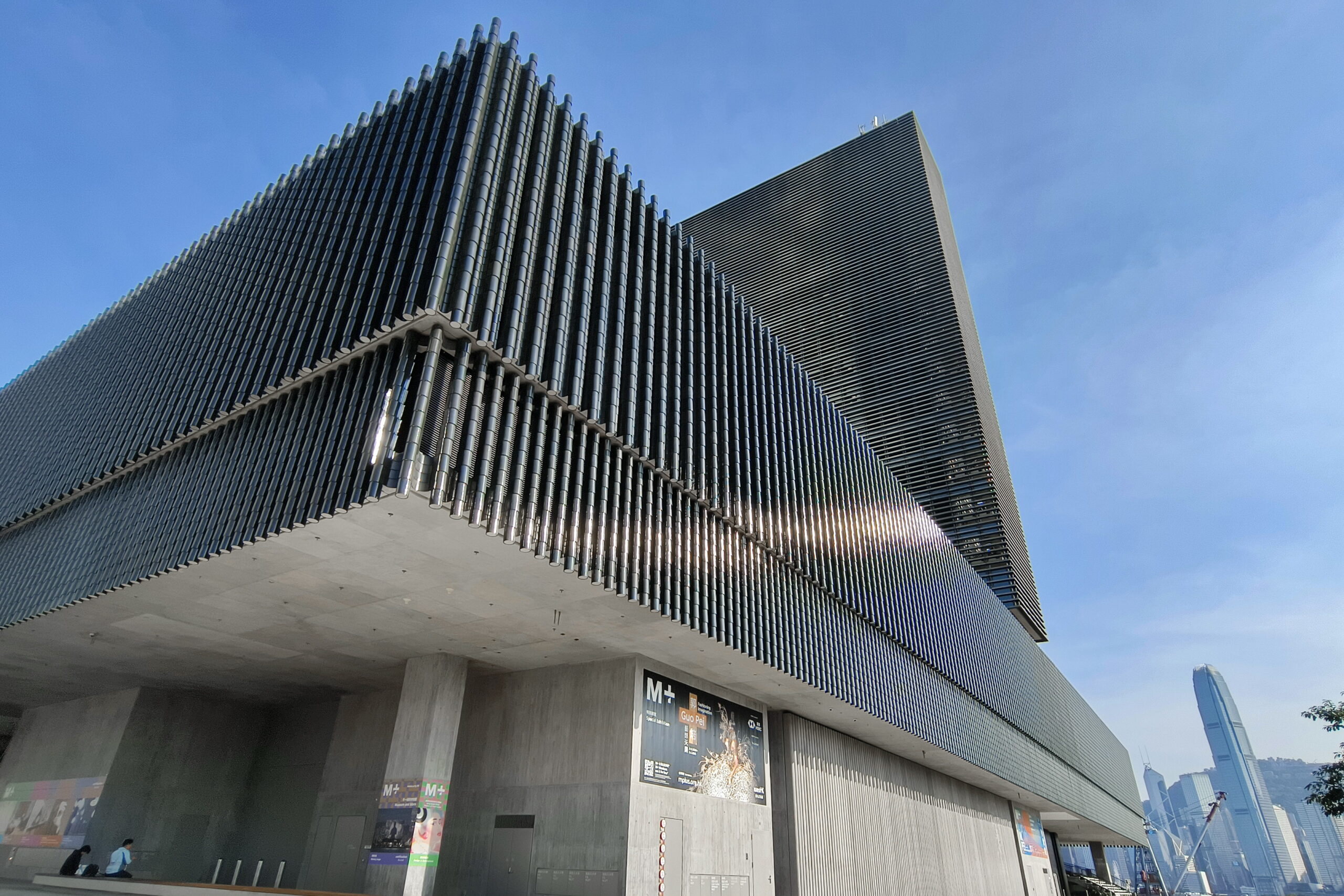

Three of the world’s most influential museums of modern and contemporary art have formed a new cultural alliance across New York, Paris and Hong Kong. The Museum of Modern Art, Centre Pompidou and M+ signed a framework agreement at M+ on October 30, creating a structure for collection exchange, co-organized exhibitions, research and conservation.
The scale is unusual. The institutions say they collectively reach about 10 million in-person visitors and 125 million online visitors each year. Each museum will retain its independence, but the agreement is designed to let them work with a combined depth of collections and expertise that no one institution could assemble alone.
A museum network with three centres
International museum partnerships are not new. Loans, touring exhibitions and curatorial exchanges are standard features of cultural diplomacy. What distinguishes this agreement is the attempt to make collaboration ongoing and multidirectional rather than project-specific.
MoMA brings a defining New York account of modernism and a vast multidisciplinary collection. Centre Pompidou, now in a period of institutional transformation, holds one of Europe’s central modern and contemporary collections. M+, opened in 2021, has rapidly established itself as a major museum of visual culture rooted in Hong Kong and Asia. The alliance therefore links three different institutional histories rather than presenting one museum as the centre and the others as satellites.
That difference matters. The history of modern art has often been narrated through a narrow sequence of capitals, movements and markets. A long-term partnership can create room for works to be interpreted through more than one geography. It can also expose where collections are strong, where they are silent and where the language used in one institution does not travel cleanly to another.
What the agreement could change for artists
For living artists, the most important consequences will emerge through commissions, acquisitions, research and programming. A work developed with one institution may enter conversations with audiences and collections on three continents. Curators can compare archives, conservation knowledge and regional histories before an exhibition takes shape, potentially reducing the pressure to compress an artist’s practice into a single familiar narrative.
The alliance also creates risks that deserve attention. Large museum networks can amplify artists, but they can also concentrate decision-making. Shared programming should not become a pipeline in which the same small group of names circulates through multiple institutions. Its value will depend on whether collaboration expands the field of attention, supports local scholarship and makes room for artists who have not already been validated by all three centres.
Long-term loans will be another test. Moving major works can broaden access, particularly while Centre Pompidou’s Paris building undergoes renovation, but every loan carries conservation, insurance, transport and environmental costs. The institutions’ stated emphasis on preservation and a more sustainable museum future will need to be reflected in how often objects travel, how displays are shared and whether digital access substitutes for movement when appropriate.
The questions to watch
The framework announcement sets direction but leaves many operational details open. Future programmes will show how authority is distributed among the partners, whether provenance and restitution research are shared, how intellectual property is managed and how audiences outside the three cities benefit.
For artists and researchers, the alliance could become a powerful bridge among archives that have too often been studied separately. For the public, it could make collection histories more comparative and less provincial. The strongest version of the partnership will not merely move masterpieces from one building to another. It will allow each museum to be changed by the knowledge of the others.