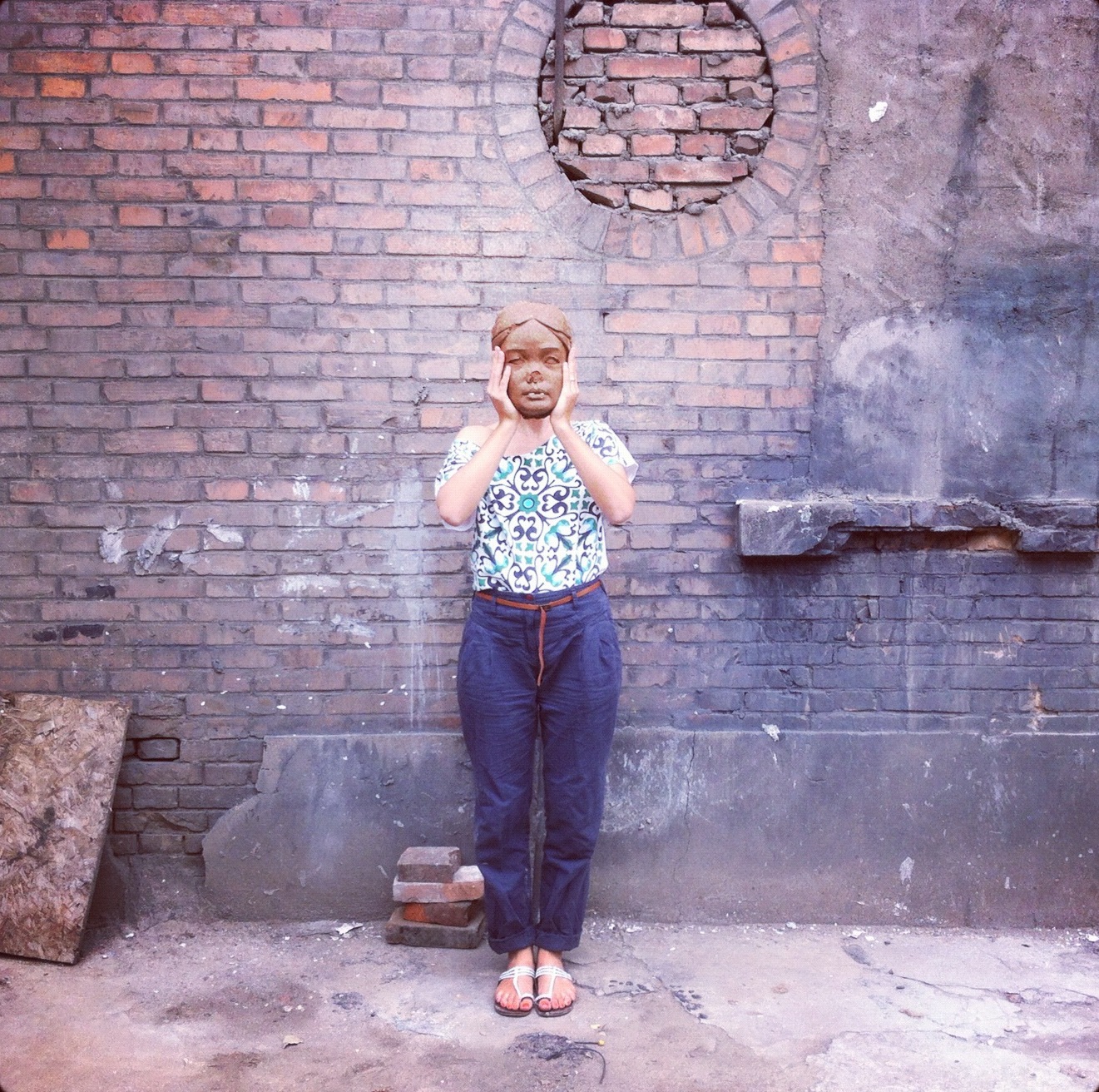

Prune Nourry’s forthcoming exhibition Visionaries begins with a blunt institutional fact: only about four per cent of the works in the Petit Palais collection were made by women. Her response is not a statistical display but a sculptural intervention across the Paris museum, restoring physical presence to women artists whose names and careers were pushed to the margins of art history.
Opening October 20, the exhibition presents 18 monumental portrait busts created after an extended research process with AWARE, the Archives of Women Artists, Research and Exhibitions. Nourry and her collaborators assembled roughly 60 biographies from photographs, letters, journals and autobiographical material, then translated selected lives into sculpture.
Portraiture as historical repair
The artists include figures who were once prominent but are now unevenly remembered, among them Hélène Bertaux, Sarah Bernhardt, Marie Bashkirtseff, Camille Claudel, Käthe Kollwitz and Nancy Elizabeth Prophet. Nourry also makes space for the women whose identities could not be recovered. Negative forms and collective figures acknowledge students, institutionalized makers and artists whose work disappeared behind the careers of husbands or teachers.
That decision is central to the project. Recovering a forgotten artist is not as simple as finding a name and placing it on a wall. Archives preserve some lives in extraordinary detail and leave others as fragments. By making the gaps visible, Nourry avoids presenting historical research as complete or neutral.
The exhibition extends beyond the busts. Marble eyes act as markers through the galleries, audio contributions bring recovered voices into the space, and the large sculpture Mothership establishes a contemporary counterpoint at the museum entrance. The result is a current artist working inside a historic collection rather than beside it.
A model for contemporary practice
Nourry’s method is especially relevant now because many museums are reassessing who is represented in their collections without wanting to reduce that work to a label change or a temporary theme. Visionaries treats the collection as raw material for new art: its absences, architecture and familiar hierarchies become part of the medium.
For artists, the project demonstrates how rigorous research can deepen a visual practice without turning the work into illustration. Nourry did not simply reproduce archival photographs. She moved between evidence and invention, using scale, repetition, placement and material to create an encounter that belongs to sculpture.
The show also expands the meaning of a commission. A museum invitation can be more than an opportunity to install finished work. It can become access to curators, archives, storage records, architecture and institutional memory—resources that allow an artist to ask questions the museum may not have asked of itself.
What museums can take from it
Permanent collections often contain more stories than gallery space can hold, but they also contain patterns of exclusion. Inviting a living artist to work with both the visible collection and its silences can reveal those patterns in a form audiences feel rather than merely read.
The key is specificity. Nourry’s intervention is grounded in named artists, surviving documents and the measurable imbalance of the Petit Palais collection. Its emotional force comes from that evidence. The monumentality does not replace scholarship; it gives scholarship a body.
Visionaries runs through January 24, 2027. Its larger contribution may be a model of authorship across time: a contemporary sculptor using her own language to return earlier artists to public view, while leaving enough space for what the archive still cannot tell us.