
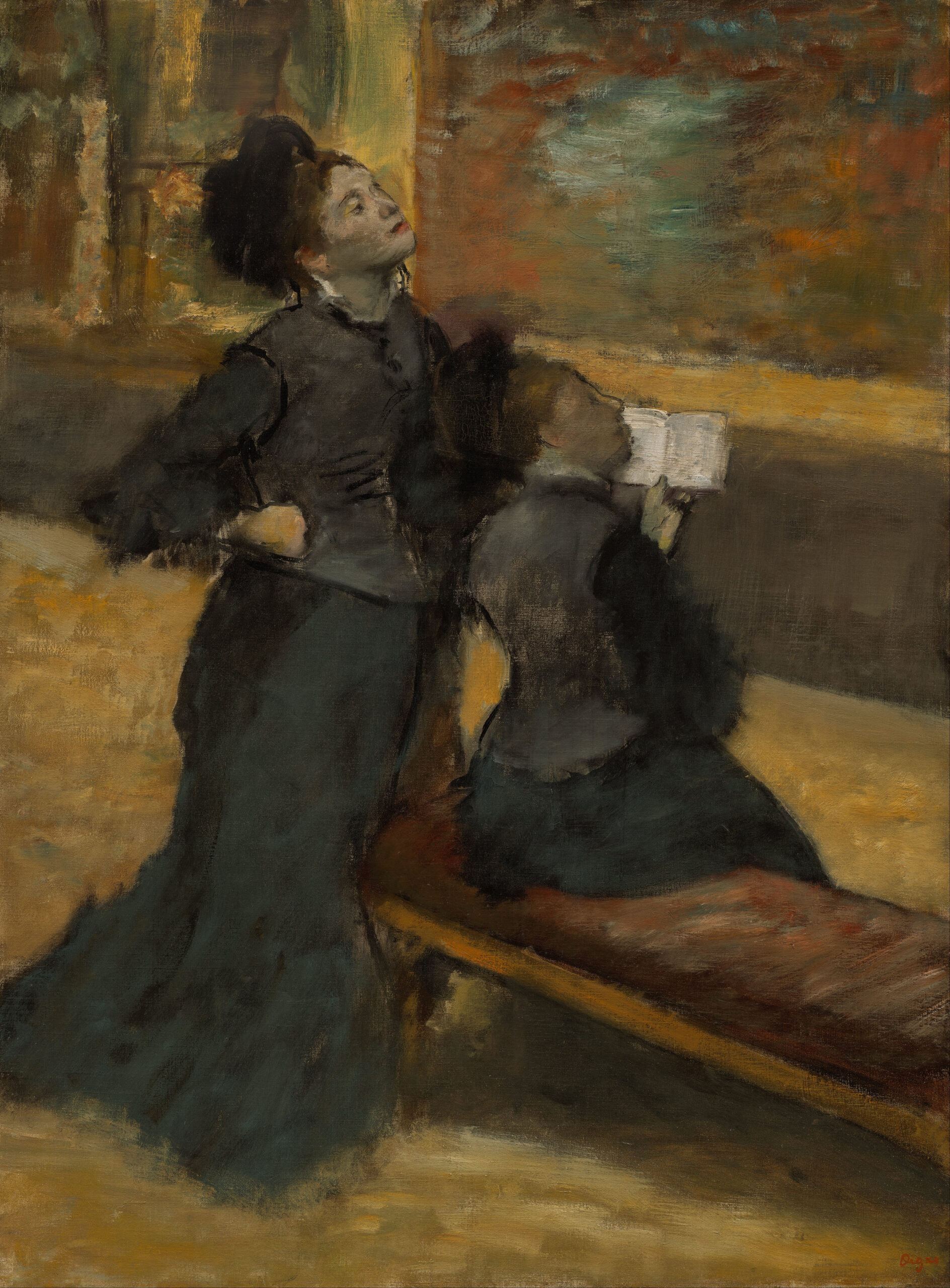
“Public domain” is a powerful status, but it is not a substitute for careful research. When copyright has expired—or has been waived—a work can generally be copied, adapted and shared without the copyright holder’s permission. The practical question for an artist is whether the specific work, the specific image file and the proposed use all clear the same path.
The European Union Intellectual Property Office describes public-domain art as a shared cultural resource while warning that moral rights can continue to matter under some national laws. Creative Commons makes a similar distinction: its Public Domain Mark communicates that a work is free of known copyright restrictions, but privacy, publicity, moral rights, trademarks and other rules may still affect a use.
Verify the work in the jurisdiction that matters
Copyright terms differ by country. A painting may be public domain in one jurisdiction while remaining protected in another. Record the artist, death date, publication history when relevant, source institution and the legal basis for the status you are relying on. “Old” is not a rights category.
Look for a clear institutional statement, a Public Domain Mark or CC0 notice, then preserve the source URL and access date. Creative Commons does not independently verify every Public Domain Mark, so the underlying facts still matter. If the intended publication is international or commercially significant, qualified local advice may be necessary.
Separate the artwork from the file
The copyright status of the depicted artwork and the rights in a photograph or digital scan are separate questions. A faithful reproduction of an old painting may be treated differently across jurisdictions, and a new photograph can contain choices in lighting, angle, background and staging. Use a file whose reuse terms are explicit rather than assuming that every online reproduction inherits the artwork’s status.
Keep the original download page with the image. Note whether the source says Public Domain Mark, CC0, CC BY or another license. A Creative Commons attribution license is not public domain: it requires the specified credit and license link, and a ShareAlike license can impose further conditions on adaptations.
Check the use, not only the object
Portraits and documentary photographs can raise privacy or publicity questions. Logos, protected cultural symbols, contractual website terms and misleading claims of endorsement can also complicate reuse. Moral rights may protect attribution or integrity even after economic copyright has ended, depending on the jurisdiction.
A sound publication record should include the creator and title, the source institution, the image-page URL, the rights label, the direct file URL, the date checked and the exact credit used. Save a screenshot or PDF of the rights statement in case the page changes.
This discipline does not diminish the freedom of the public domain. It makes that freedom usable. A traceable rights file lets an artist show why a reuse was reasonable, credit cultural provenance even when attribution is not legally required, and distinguish genuine open access from an image that was merely easy to download.