
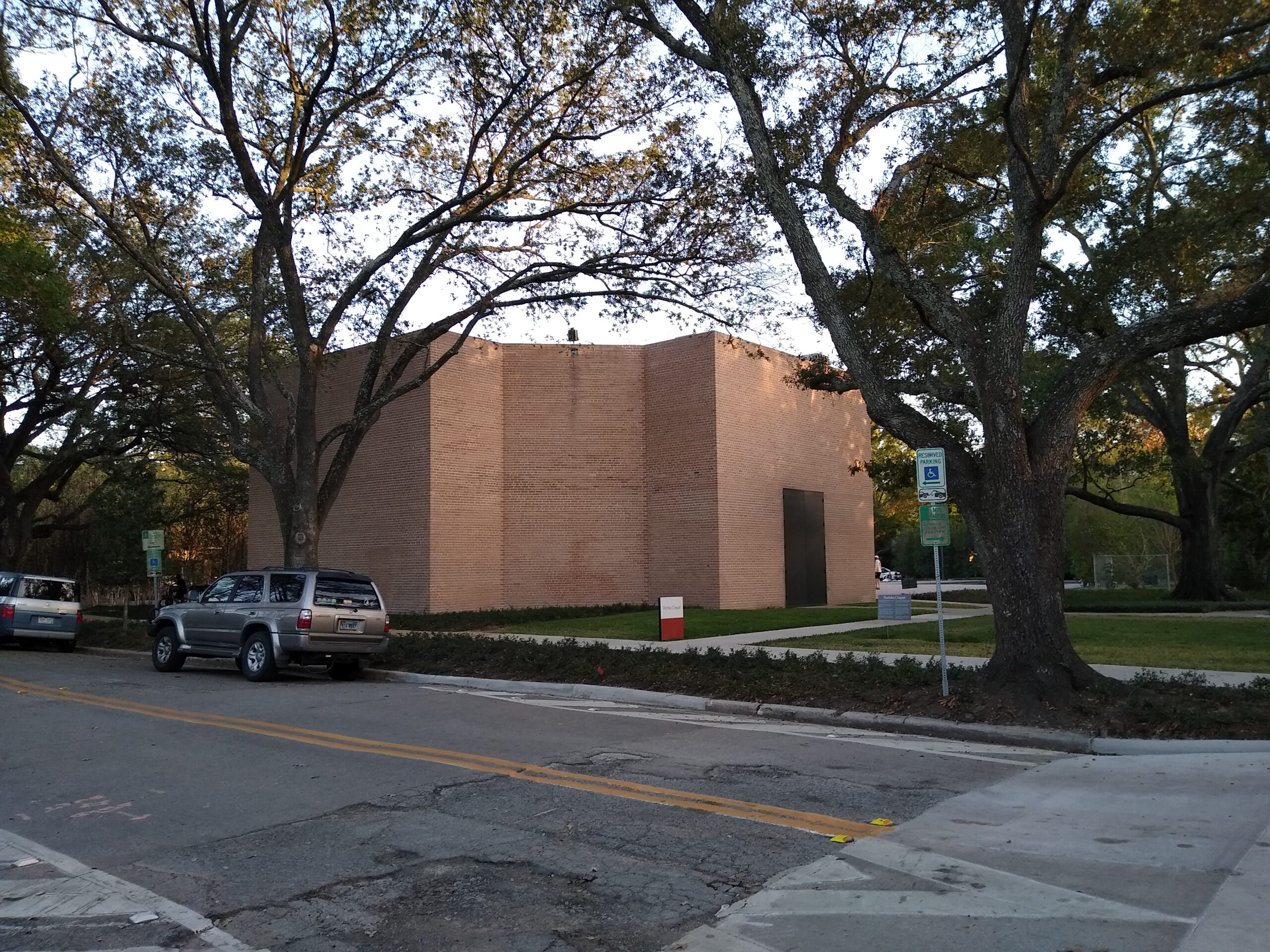
Exterior of the Rothko Chapel, Houston, photographed in 2020. WhisperToMe / CC0 1.0.
Mark Rothko’s paintings were made to surround the viewer with color, yet they are now thriving at the scale of a phone.
Across TikTok and Instagram, younger creators are matching outfits to individual canvases, assigning Rothko palettes personality types, pairing the paintings with dream-pop and turning the artist into dating humor. Some posts are drawing hundreds of thousands of views.
Stillness inside the scroll
The attraction appears paradoxical. Rothko’s hovering rectangles need time and physical presence; a feed rewards instant recognition. But the very simplicity that suffers on a screen also makes the work legible amid visual overload.
One creator quoted in recent reporting described her generation’s visual stimulation as already “at capacity.” Rothko offers an image that does not deliver a plot, product or instruction. Color arrives first. A painting made for sustained presence is being circulated as fragments—and somehow the fragments keep pointing back to feeling.
The trend also gives users a flexible emotional vocabulary. A dark maroon field can stand for heartbreak; orange and yellow become summer optimism; muted bands can signal introspection. These translations simplify the paintings, but they also show people trying to connect abstract color to lived mood.
The museum and the meme
The online attention coincides with Rothko in Florence at Palazzo Strozzi, which presented more than seventy works from March 14 through August 23, 2026. Institutional scale and feed culture are magnifying the artist at the same moment.
No one needs to pretend an outfit video reproduces the encounter with a large canvas. It does something else: it makes the painting socially portable. A person uses Rothko to say, “This is the color of how today feels.”
The risk is that an artist becomes a mood board detached from history, scale and material. The opportunity is that a meme becomes the first step toward an actual museum visit.
There is an additional irony in turning Rothko into a personality test. The paintings resist clear figures and stories, yet the platforms continually ask users to classify themselves: which palette are you, which room matches your mood, which painting describes your relationship? Abstraction becomes a mirror because the feed supplies the labels.
Those playful formats may flatten the work, but they also reveal a desire for images that do not arrive already crowded with explanation. The blank space is doing cultural work.
Gen Z has not solved Rothko. It has recognized that his color fields leave room for projection—and the feed is filling that room at extraordinary speed.
Continue reading: Museums Are Hiring Influencers as the New Digital Docents · The Whitney Turns “A Realistic Day in My Life” Into Net Art