
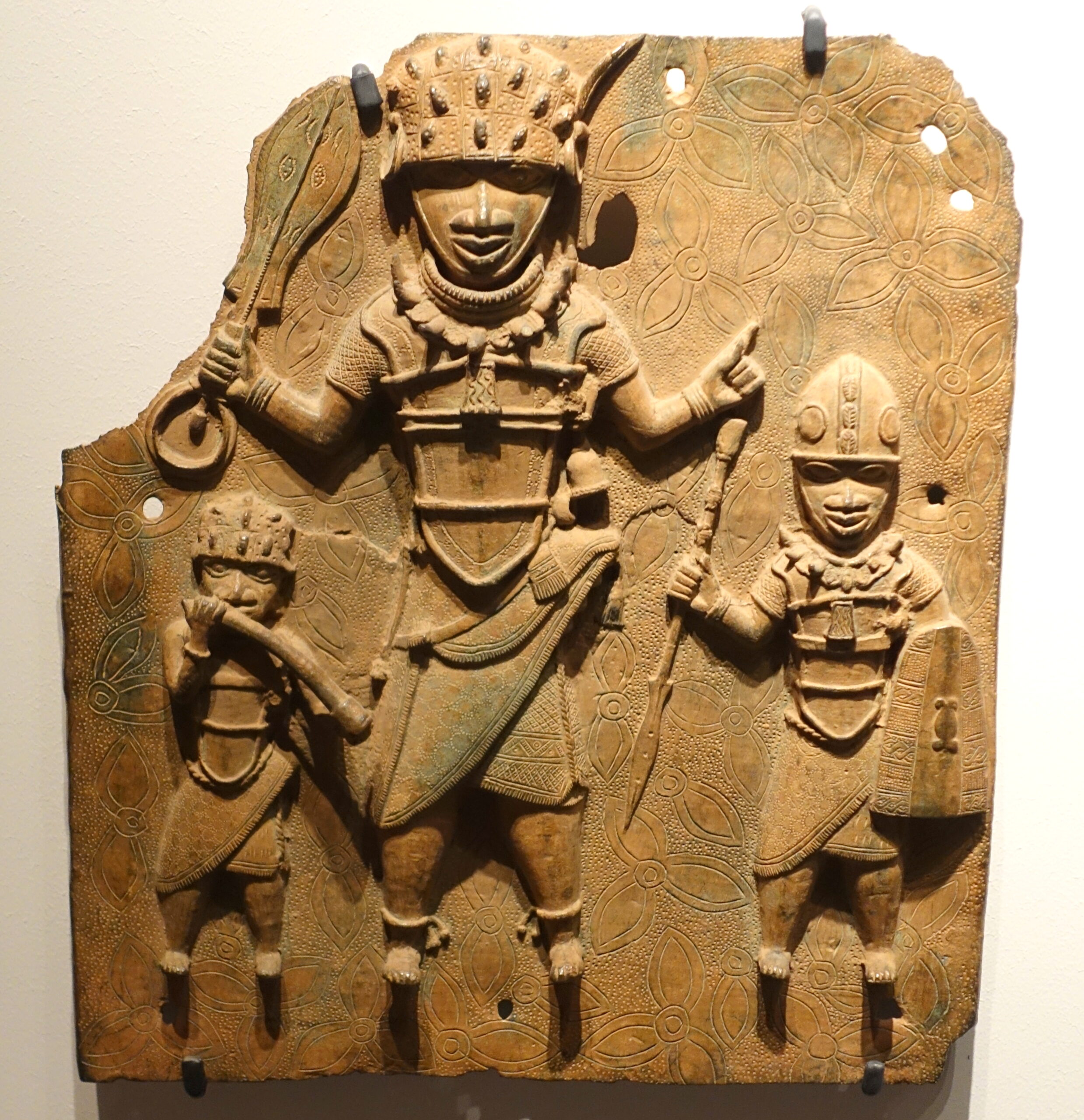

Sweden has transferred ownership of 39 objects from the historic Kingdom of Benin to Nigeria, turning a long-running debate about colonial collections into a concrete legal act. The National Museums of World Culture announced the agreement with Nigeria’s National Commission for Museums and Monuments on November 5. Six of the objects will remain in Sweden on a renewable ten-year loan.
The objects entered Swedish collections after the British military attack on Benin City in 1897, when palace treasures were seized and dispersed through European markets and institutions. Sweden was not the colonial power that carried out the raid, but its museums became part of the later chain of possession. The transfer therefore addresses not only the moment of removal but also the collecting systems that followed it.
Ownership changes before location
The most important part of the agreement is that legal title has moved to Nigeria. The six works that stay in Sweden do so as loans from their Nigerian owner. That distinction alters the relationship between the two institutions: display is no longer based on inherited possession but on permission and partnership.
The remaining objects are expected to return to Nigeria. The museums describe the arrangement as part of a wider effort to strengthen cooperation, research, knowledge exchange, and future exhibitions. It also gives Nigeria’s national museum authority a direct role in decisions about the objects’ care and movement.
For audiences, the change may not always be immediately visible in a gallery. An object can remain in the same case while its ownership, caption, and institutional meaning are transformed. Restitution is therefore both a physical and an interpretive process.
Why the agreement matters to artists
Benin court art was never anonymous decoration. Its plaques, heads, and ceremonial works carried histories, authority, genealogy, and living cultural knowledge. Treating these objects only as examples of form separates them from the communities and institutions that can interpret their purposes most fully.
Contemporary artists who work with archives, inherited materials, and cultural memory have long shown how provenance shapes meaning. The Swedish agreement reinforces that provenance is not a footnote. It can determine who may speak for an object, who benefits from its circulation, and what responsibilities accompany its display.
The loan component also offers a model that does not equate return with the end of international exchange. Museums can continue to present works abroad while recognizing another institution’s ownership. When structured transparently, a loan can replace possession with consent.
A precedent measured in practice
The agreement will be judged by what follows: the timetable for physical return, the language used in museum records, the treatment of the loaned objects, and the durability of collaboration with Nigerian colleagues. Ownership transfer is decisive, but it is not the final chapter.
Across Europe, institutions are confronting collections formed through war, coercion, and unequal trade. Sweden’s action adds momentum to that shift by showing that a national museum can change title, acknowledge the history of dispersal, and maintain a relationship through negotiated loans rather than inherited control.