
Tony Albert asked the public to surrender objects many families had inherited, displayed or quietly stored: mass-produced souvenirs and household items built from caricatures of Aboriginal people. More than 2,000 donations followed.
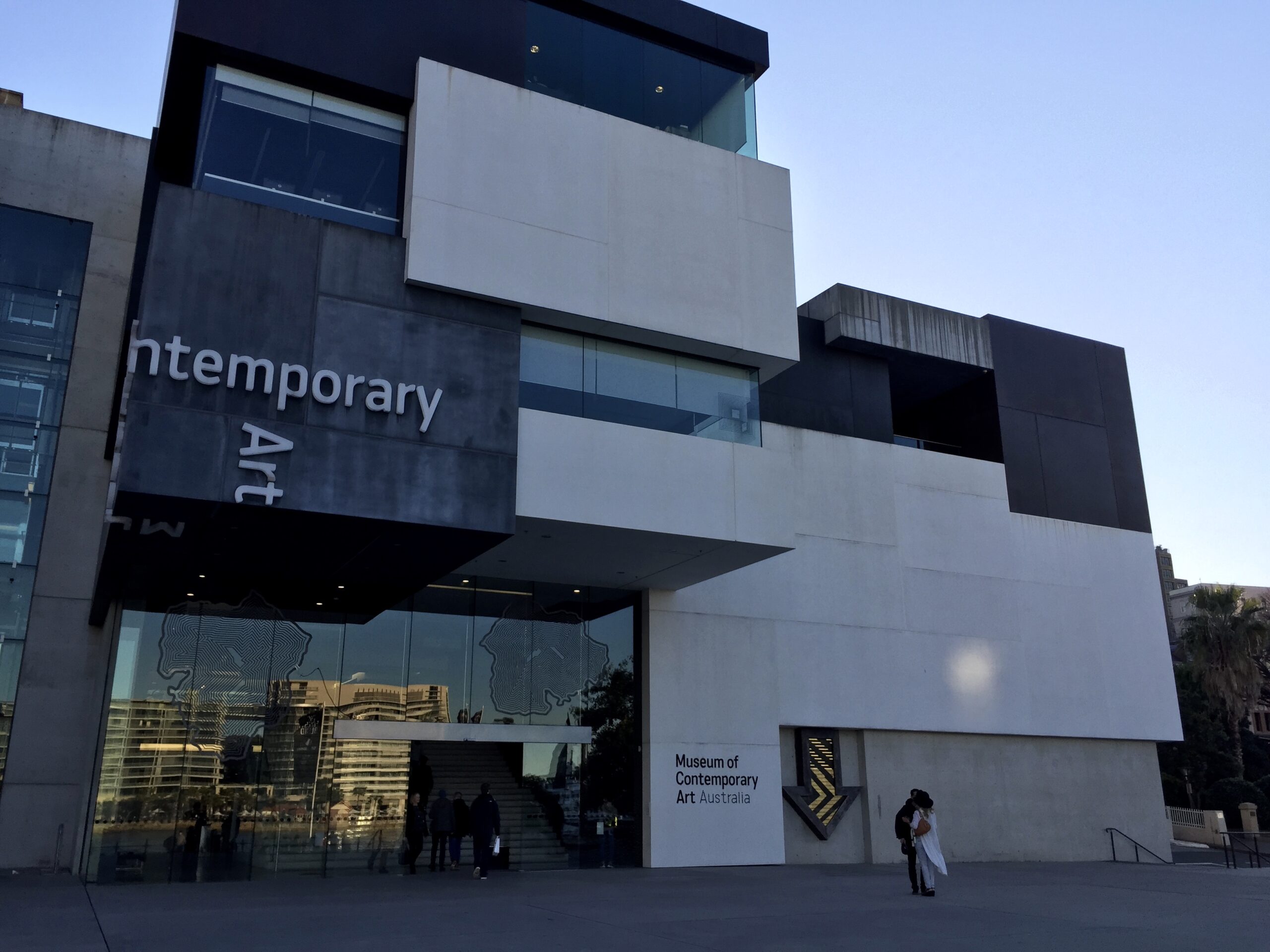
The response became an unplanned extension of Not a Souvenir, Albert’s major survey at the Museum of Contemporary Art Australia in Sydney. The exhibition brought together more than 4,400 examples from the artist’s own long-running collection of “Aboriginalia,” alongside work across photography, sculpture, assemblage, installation and painting. According to reporting published October 17, parcels continued to arrive as the exhibition approached its October 19 close.
Albert, a Girramay, Yidinji and Kuku-Yalanji artist, has spent years collecting objects that commodified and misrepresented Aboriginal people. In his hands, the collection is not a cabinet of curiosities. It is evidence of how stereotypes entered everyday life—and material for transforming a harmful visual language into critique, memory and cultural agency.
When the audience changes the archive
The public appeal altered the scale and meaning of the project. A museum visitor could do more than look at a difficult history. Donating an object became a decision about what should happen to it next: removed from casual circulation, preserved with context and made available for future learning.
Many contributions arrived with personal stories. That matters because the same object can carry very different histories—shame, nostalgia, ignorance, inheritance or a recent recognition of harm. Keeping those accounts with the objects can turn an accumulation into a social archive rather than a mute collection.
The project also resists the idea that removing an offensive object from domestic display requires erasing history. Albert’s method is closer to reclassification. The image loses its old authority as harmless decoration and becomes material through which the systems that produced it can be studied.
A model for participatory practice
Artists who invite public contributions often face a practical problem: participation can become symbolic if the institution does not explain how material will be received, cared for and interpreted. Not a Souvenir demonstrates the power of a precise invitation linked to a body of work with a long ethical and conceptual foundation.
For museums, the response shows that audiences will contribute more than attendance when a project gives them a meaningful role. But that role creates obligations. Donor stories need consent and documentation. Sensitive material needs culturally informed handling. The archive must not repeat the exploitation it seeks to expose.
For artists, the lesson is not simply to ask audiences for objects. It is to design a relationship between contribution and transformation. Participants should understand why something is being collected, how it will be used and what kind of future the project imagines for it.
Beyond the exhibition
The exhibition’s close does not end the work. The additional objects deepen a collection that Albert has described as part of a process of truth-telling and healing. They also leave the museum and artist with a larger question: how can a participatory archive remain accessible without turning painful stereotypes back into spectacle?
More than 2,000 people answered Albert’s invitation by relinquishing something. The artistic achievement lies in what that act became: not disposal, not absolution, but a transfer from private possession to public reckoning.