

El Niño is often described through sea-surface temperatures, rainfall, crops, and storms. UNESCO’s current response adds another field of risk: culture.
The organization has launched a Culture x El Niño initiative for the developing 2026–2027 event, bringing cultural institutions, heritage authorities, museums, practitioners, and communities into climate preparedness. The campaign was announced in September and updated on November 5 as conditions continued to emerge.
Climate risk reaches more than monuments
Floods, heat, wildfire, drought, landslides, and extreme humidity can damage historic buildings, archaeological sites, archives, collections, outdoor artworks, studios, and the infrastructure that keeps cultural life operating. The effects are not only material. Festivals can be interrupted, access routes can disappear, livelihoods can be displaced, and living knowledge tied to a landscape can be separated from the place where it is practiced.
UNESCO says the initiative is intended to strengthen preparedness and circulate scientific information about El Niño’s potential cultural effects. Its partners include the United Nations Office for Disaster Risk Reduction, ICCROM, and the International Council of Museums.
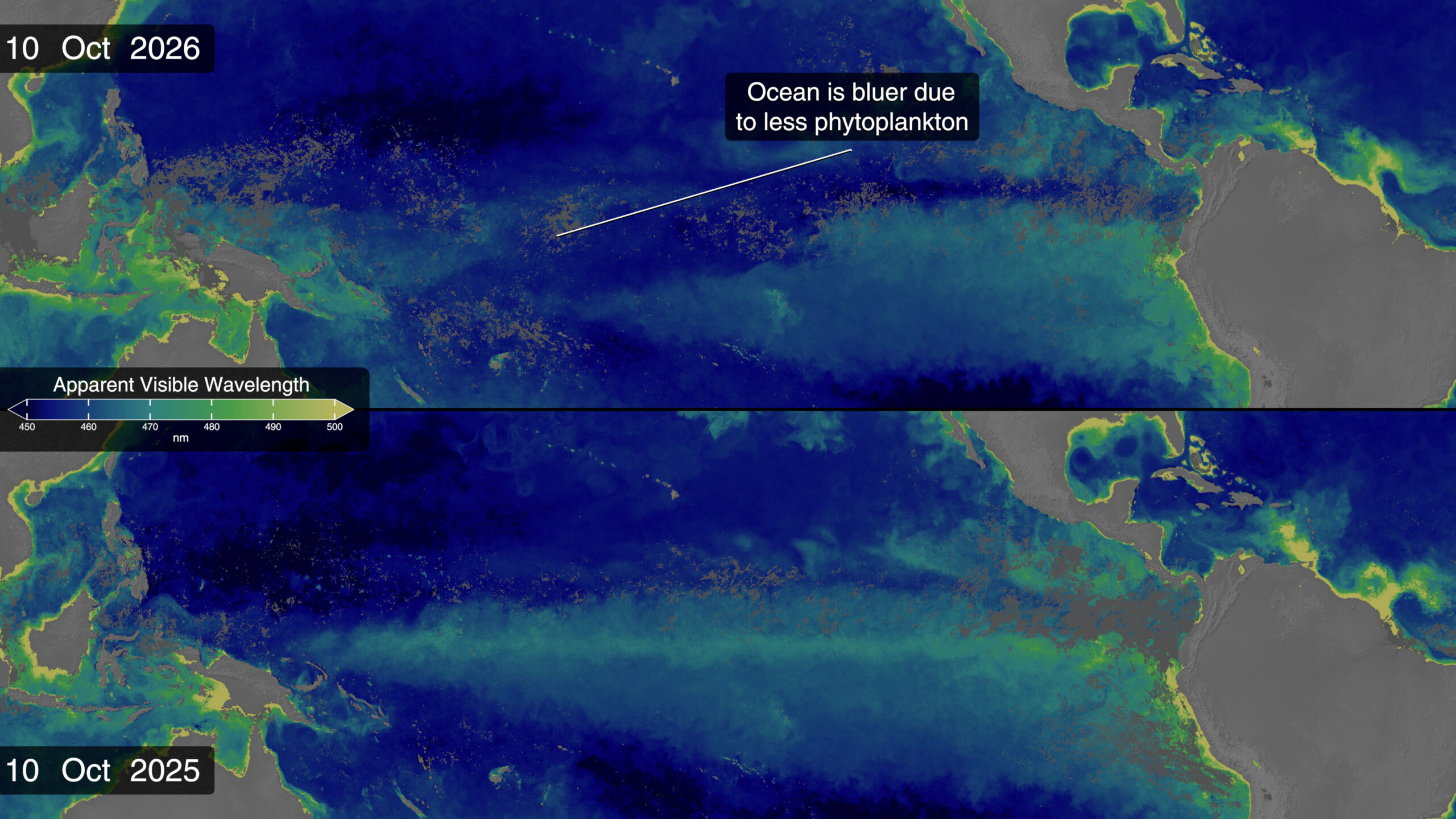
NASA’s Earth-observing satellites are independently tracking changes in the tropical Pacific that could signal a strong 2026 event. A recent visualization compares sea-surface temperature, ocean color, and sea-surface height across 2025 and 2026. The point is not that every community will experience the same outcome. El Niño shifts weather patterns unevenly, so cultural planning must begin with local hazards and local knowledge.
Preparedness is a cultural practice
For museums and archives, preparation can include reviewing emergency contacts, off-site backups, drainage, roof maintenance, power continuity, environmental monitoring, salvage supplies, evacuation priorities, and agreements with nearby institutions. Outdoor sculpture and public art may require updated anchoring, surface documentation, drainage checks, and a clear threshold for temporary removal.
Artists should identify which parts of a practice are most vulnerable. A studio near a floodplain needs a different plan from a ceramic workshop facing water restrictions or a digital practice dependent on stable electricity and cooling. Original files, contracts, and collection records should not exist in only one building or on one device.
Communities also hold knowledge that cannot be reduced to a technical checklist. Seasonal memory, oral history, traditional construction, land stewardship, and observation of water and vegetation can reveal risk that a central plan misses. Preparedness is stronger when institutions listen before deciding what must be protected and how.
Artists can make slow risk perceptible
El Niño is a scientific pattern with intimate consequences. Artists can connect satellite data to lived experience, document change before it becomes loss, preserve testimony, and create public language for uncertainty. That role is most credible when art does not replace expertise or speak over affected communities, but works with them.
The UNESCO initiative matters because it treats culture as part of climate response rather than an ornament to be considered afterward. A collection, performance, sacred site, or community archive can carry memory through disruption—but only if the people responsible for it prepare before the emergency arrives.