
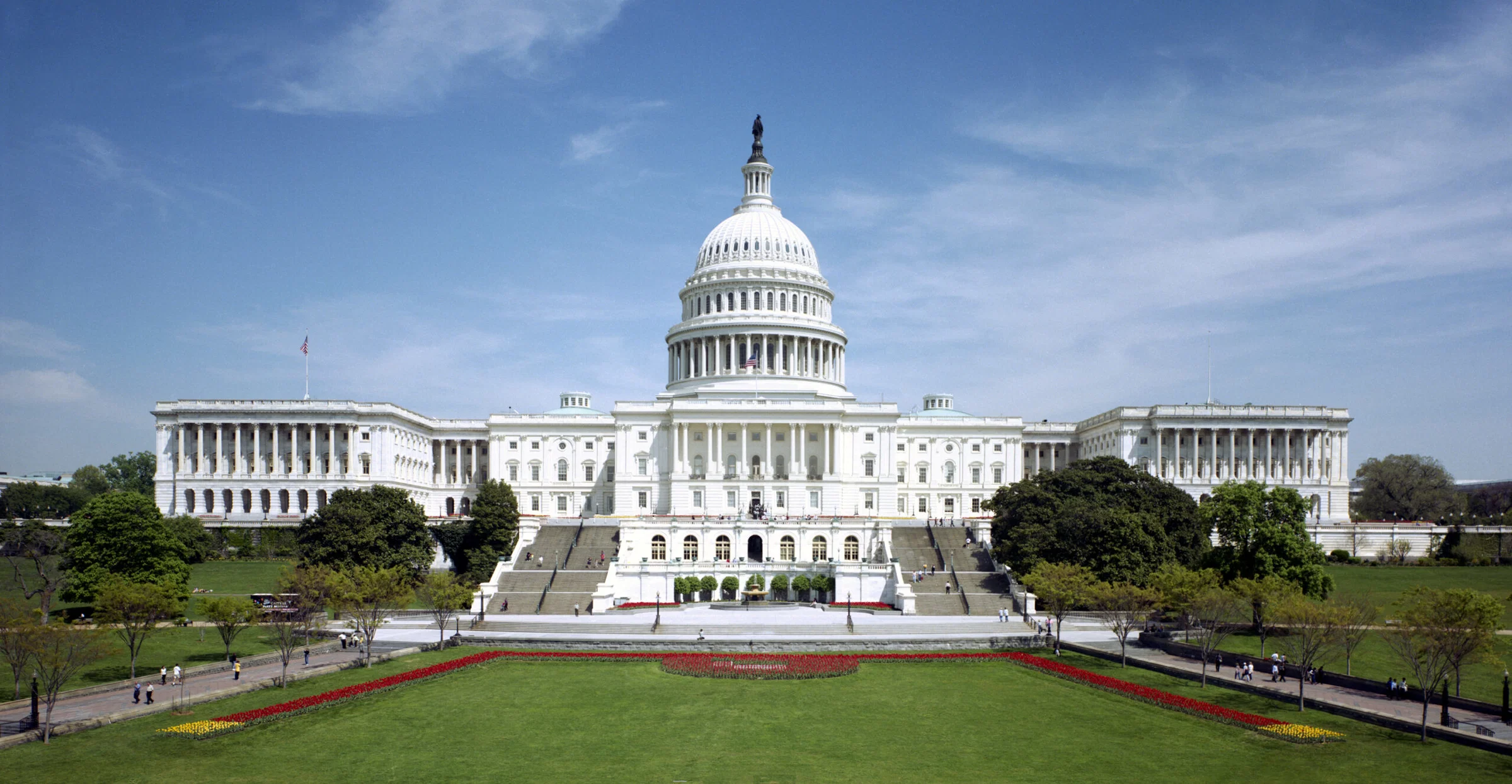

A bipartisan proposal in the U.S. House of Representatives could reshape copyright registration for photographers and other visual artists. The Visual Artists Copyright Reform Act of 2026, or VACRA, was introduced on October 19 and referred to the House Committee on the Judiciary. It is a bill—not current law—and artists should not postpone registrations in anticipation of changes that may never take effect.
The proposal responds to a practical mismatch. Visual professionals can create hundreds or thousands of images in a short period, while registration systems, group limits and fees make comprehensive protection difficult for small studios and independent creators.
What VACRA proposes
The bill would authorize larger group registrations for photographic works, raising the group ceiling from 750 to 3,000 images. It would also direct the Copyright Office to create a subscription option for qualifying creators who register frequently.
Another proposal is deferred examination. A creator could file eligible material for a reduced initial fee, while full examination would occur later if the work became part of an infringement dispute or another defined need. The bill also contemplates certified third-party registries for photographs and a publicly searchable Copyright Office image database.
Those features could lower the cost of building a regular registration habit. They could also make it easier for potential licensees to identify a rights holder. But every benefit depends on details still to be written in legislation and, if enacted, regulations.
What artists should do now
Keep using the system that exists. In the United States, registration has important enforcement consequences, including access to federal court and, when timing requirements are met, possible statutory damages and attorneys’ fees. A proposed future pathway does not protect work created today.
Build a repeatable intake process. Give every finished image a stable filename and creation date. Record the author, client, publication status and any transferred or licensed rights. Separate commissioned work from personal work, and keep signed agreements with the corresponding files. These steps make any registration method easier and reduce errors when a dispute arises.
Register on a schedule matched to output. For some artists that may mean monthly batches; for others, registration at the end of each project. The best interval is one that respects current eligibility rules and is realistic enough to repeat. If a studio relies on assistants or collaborators, assign one person to maintain the record rather than assuming the task will happen automatically.
Watch the status, not the applause
Support from professional associations and bipartisan sponsorship can improve a bill’s prospects, but neither guarantees passage. Artists should track the official congressional record for hearings, amendments, votes and any eventual implementation date. Advocacy summaries are useful for understanding goals; the statutory text is the authority for what the proposal actually says.
VACRA’s strongest idea is that copyright administration should reflect the volume and speed of visual practice. Until Congress decides whether to adopt it, the practical lesson is immediate: organized records and timely registration remain the most reliable foundation for enforcing a visual artist’s rights.
This article provides general information and is not legal advice. Artists facing an active dispute or complex ownership question should consult a qualified copyright professional.