

A Viking textile discovery in western Jutland gives us something archaeology rarely preserves: fragile traces of clothing from an eighth-century woman’s grave, bringing history close enough to feel almost like touch.
Preserved by an Unexpected Chemistry
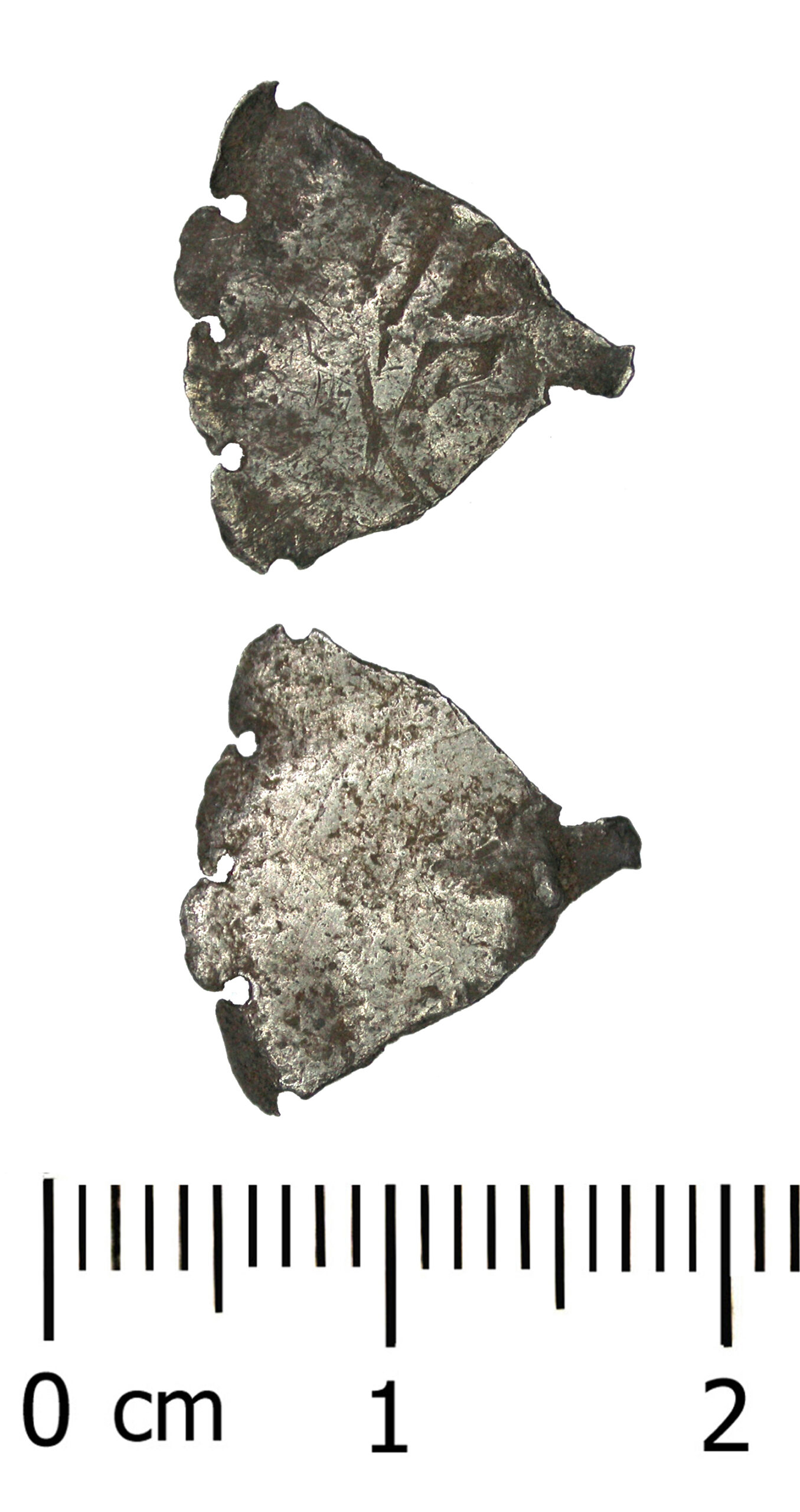
The grave was found at the Skonager site in Denmark. Textile fragments survived attached to the front and back of two scoop brooches. Researchers believe metallic salts released by the brooches inhibited microbes that would otherwise have destroyed the fibers.
The result is a rare survival from more than one clothing layer. Archaeology often gives us weapons, stone and metal because they endure. Fabric usually vanishes. Here, chemistry protected softness.
The object designed to fasten clothing became the reason the clothing could speak to us centuries later.
Clothing Is One of Humanity’s Oldest Art Forms
We sometimes separate fashion from serious art, as though cloth were merely practical. History tells a different story. Humans have woven identity into fabric for millennia. Fiber records technology, climate, trade, labor, social position and taste.
A thread can reveal how material was spun. A weave can suggest skill and resources. Layering can tell us how people dressed bodies for weather, modesty, status or beauty. And unlike monumental art, clothing once moved with a person. It folded at the elbow, warmed skin and caught rain.
It was lived art.
A Woman Returns Through Fragments
We do not know this woman in the way we know a modern sitter in a portrait. There is no photograph and no diary in our hands. Yet her clothing creates a kind of portrait through absence.
Two brooches tell us where fabric met the body. Surviving fibers tell us that layers existed. The discovery allows researchers to reconstruct not her face, but something equally human: how she was dressed.
The Beauty of What Almost Disappeared
Museums are filled with durable things because durability determines what history leaves behind. That can distort our understanding of the past. Ancient life was also made of wood, food, flowers, leather, baskets and cloth, materials that usually decompose.
When something fragile survives, our picture becomes richer. These textile fragments restore texture to a period often visualized through ships, swords and metalwork. They remind us that Viking life also contained weaving, pattern, domestic knowledge and the aesthetic intelligence of dress.
The Art Hidden in a Thread
Human creativity can survive in something almost microscopic. A thread is enough to tell us that hands worked. A weave is enough to tell us that someone understood structure. A garment fragment is enough to remind us that beauty was once worn by a person whose name we may never know.
The discovery does not resurrect an entire life. Archaeology cannot do that. But it gives us a small, astonishing bridge. More than a millennium later, the cloth is still whispering.