
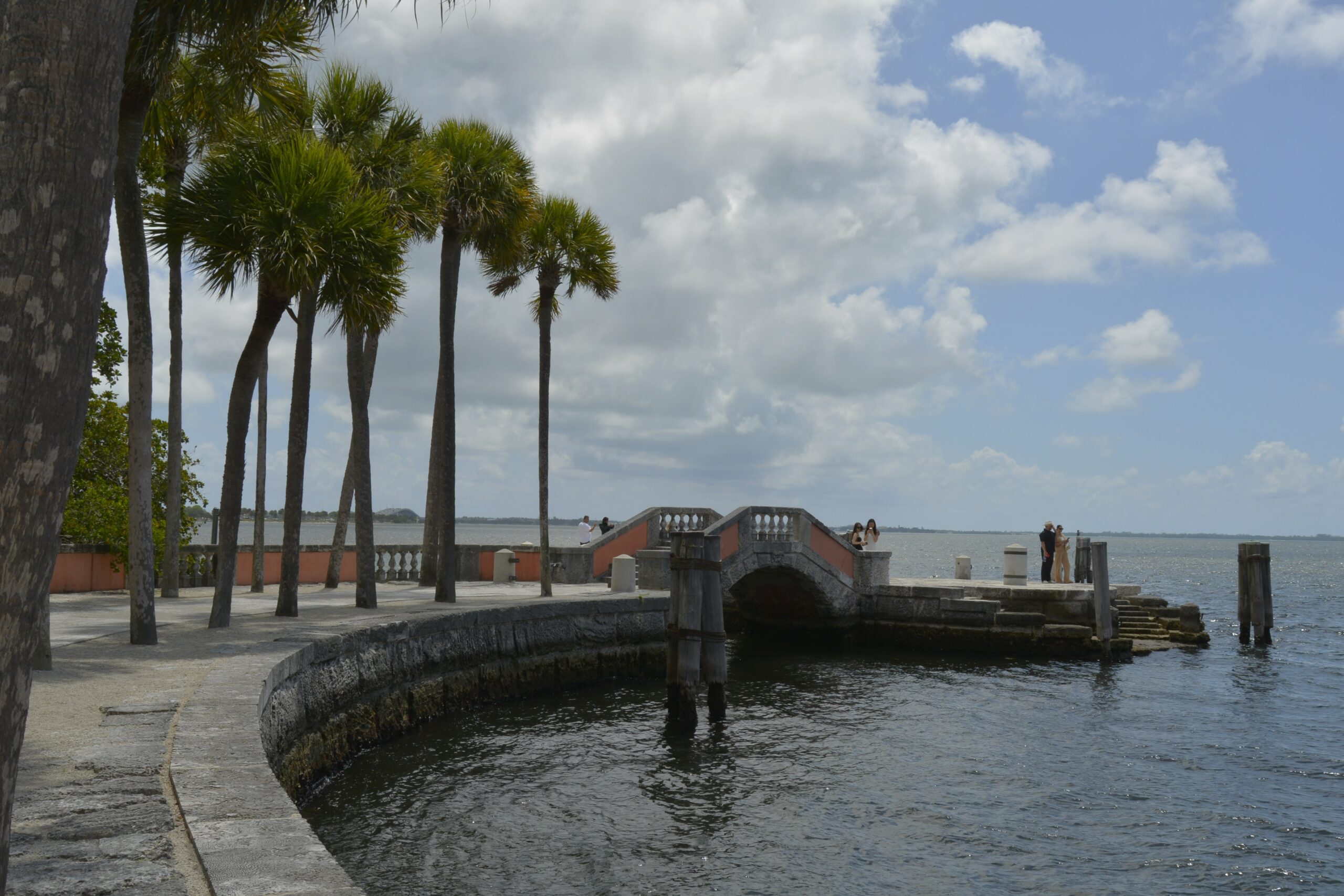

A strong residency application does more than describe good work. It shows why a particular artist, place, period of research and public outcome belong together. Vizcaya Museum and Gardens’ inaugural Arts Residency + Commission offers an unusually clear map of what that alignment looks like.
The Miami institution is accepting applications from South Florida–based visual artists through November 2, 2026. The selected artist will receive a $12,500 fee, up to $25,000 for production, exclusive use of a 375-square-foot studio from May through November 2027, curatorial support, professional documentation, an exhibition brochure and a short documentary. A commissioned exhibition will follow from November 2027 through May 2028.
Read the site before proposing the object
The 2027 theme, Holding Time, asks artists to engage Vizcaya’s architecture, collections, landscape, environmental conditions and layered history. Applicants do not need to submit a fully developed exhibition proposal. They are asked to identify questions, research areas and preliminary ideas that could evolve through the residency.
That distinction is important. Institutions often want evidence of direction without a project so fixed that research cannot change it. A persuasive statement therefore connects the artist’s existing practice to the host site, then explains what access, time and dialogue could make possible that would not happen elsewhere.
Five signals selectors are looking for
Relevance: The proposal should respond to the institution’s actual context, not paste a familiar project into a new location. Name the histories, materials or environmental questions that genuinely intersect with your work.
Continuity: The portfolio, artist statement and proposed inquiry should reinforce one another. A new direction is welcome when the application shows how it grows from earlier questions or methods.
Feasibility: Ambition is strongest when it includes an understanding of time, budget, preservation rules and production needs. Vizcaya prohibits permanent attachment to historic walls and ceilings, for example, and expects the commission to operate within conservation and safety guidelines.
Public value: The resident must maintain open-studio hours and lead two public programs. Applicants should think beyond promotion and identify what an audience can learn, contribute or experience through the process.
Room to develop: A residency is not merely free workspace. It is structured time for testing, research and exchange. The strongest application can be specific about its questions while remaining open about its final form.
Know the full exchange
Artists should evaluate the entire offer, not only the headline funding. The residency requires at least 10 studio hours per week, provides no housing and limits eligibility to Miami-Dade, Broward and Palm Beach counties. Ownership of the commissioned work remains with the artist after the exhibition—an important term that should always be confirmed in any commission agreement.
Even for artists outside South Florida, Vizcaya’s open call is a useful model. It makes visible the relationship between selection criteria, resources, obligations, ownership and audience engagement. Reading those elements together is the first step toward writing an application that feels necessary rather than merely eligible.