New parliamentary answers keep creator control at the center of UK AI policy while the tools, standards and final rules remain unsettled.
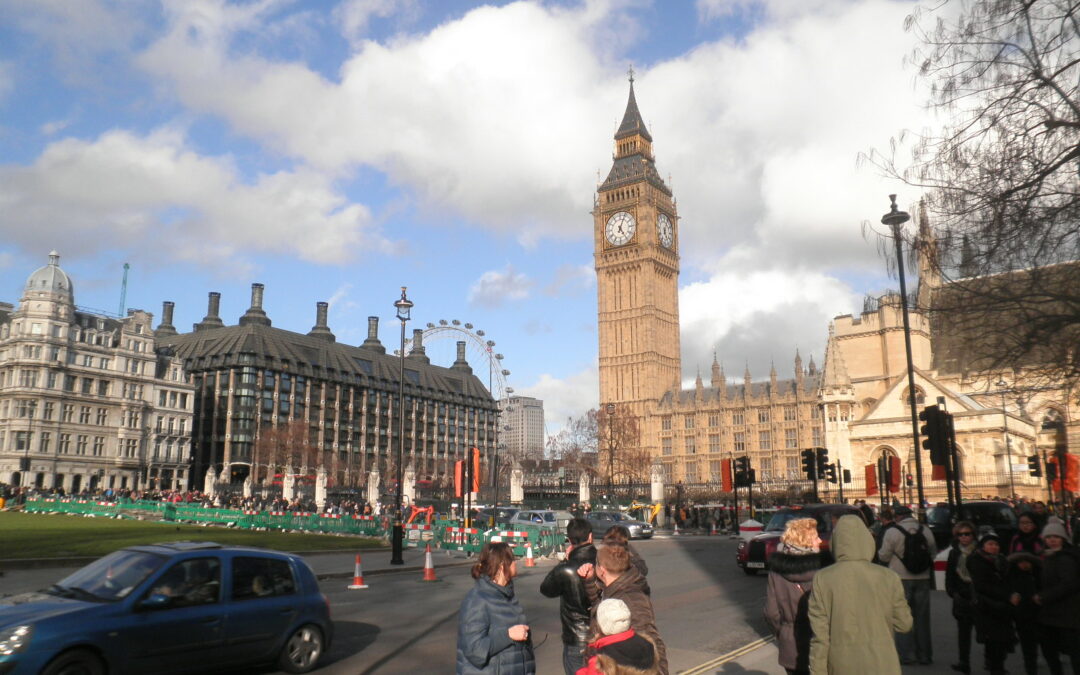

New parliamentary answers keep creator control at the center of UK AI policy while the tools, standards and final rules remain unsettled.

Adobe’s Generate Soundscape turns video analysis into four editable tracks. The useful test is what an editor can change, replace and leave silent.
As the JPEG Trust Summit opens, a new standards framework is bringing authenticity, attribution, rights, and editing history into the architecture of digital media.

A new SFMOMA conversation shifts the AI debate from impressive outputs to the rules governing consent, data and creative power.
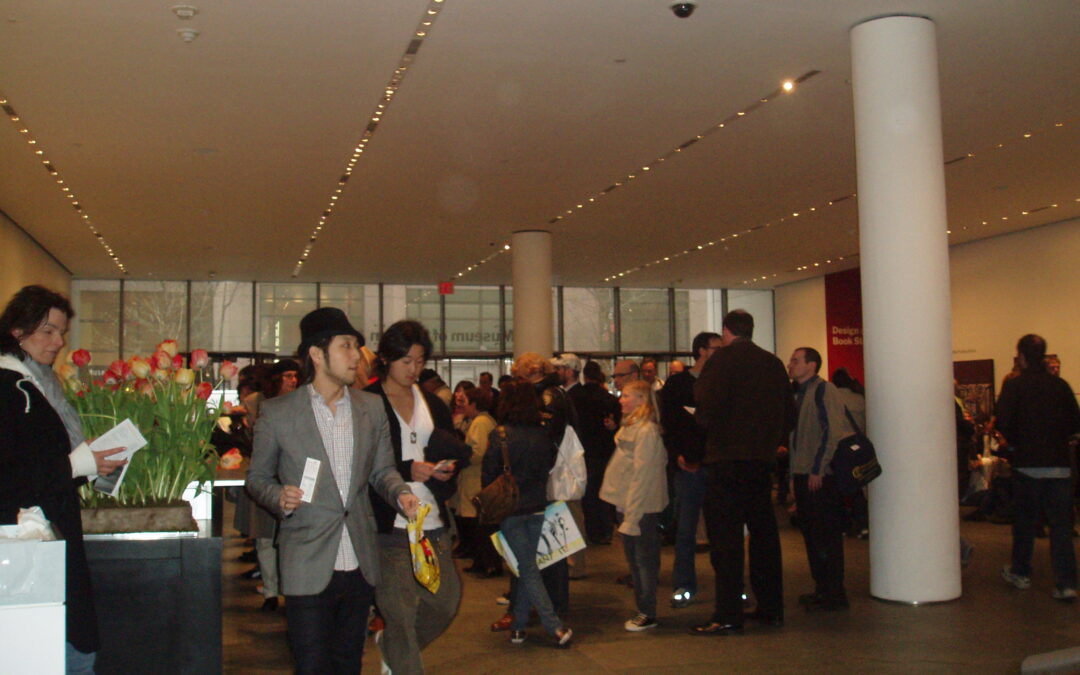
At MoMA, Pierre Huyghe’s UUmwelt turns brain scans, machine learning, biological data and visitor attention into an unstable image ecosystem.

Adobe’s agentic tools can now plan multi-step creative work. For artists, the decisive questions are approval, model choice, access, reversibility and records.
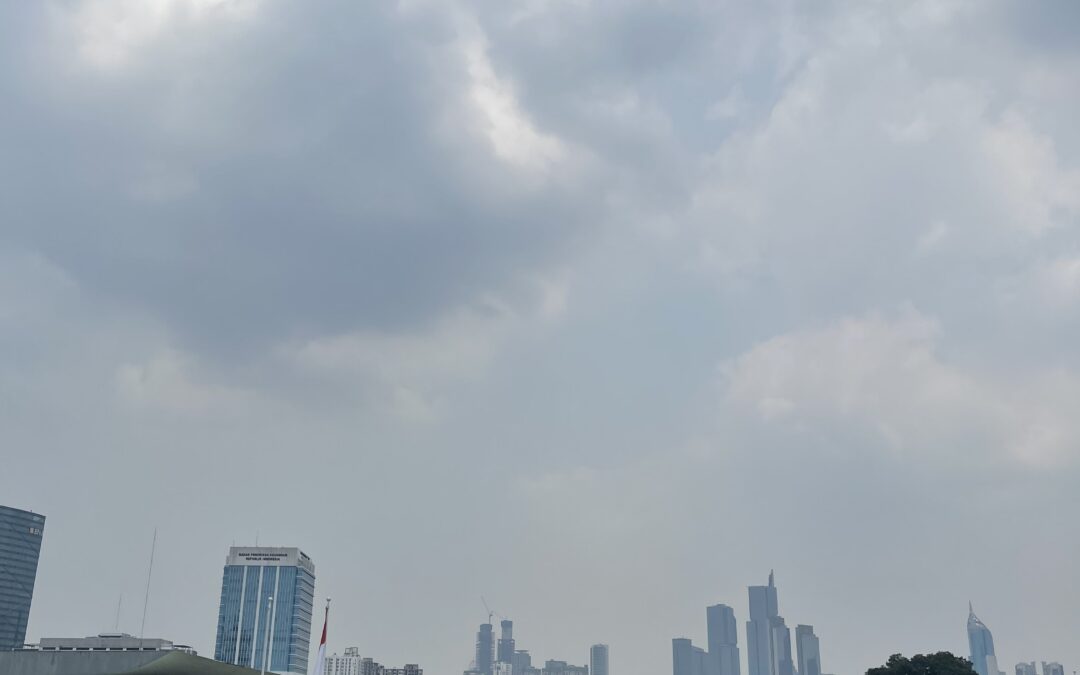
Indonesia’s proposed copyright revisions bring AI style imitation, disclosure and human authorship into one debate—with important consequences for visual artists.
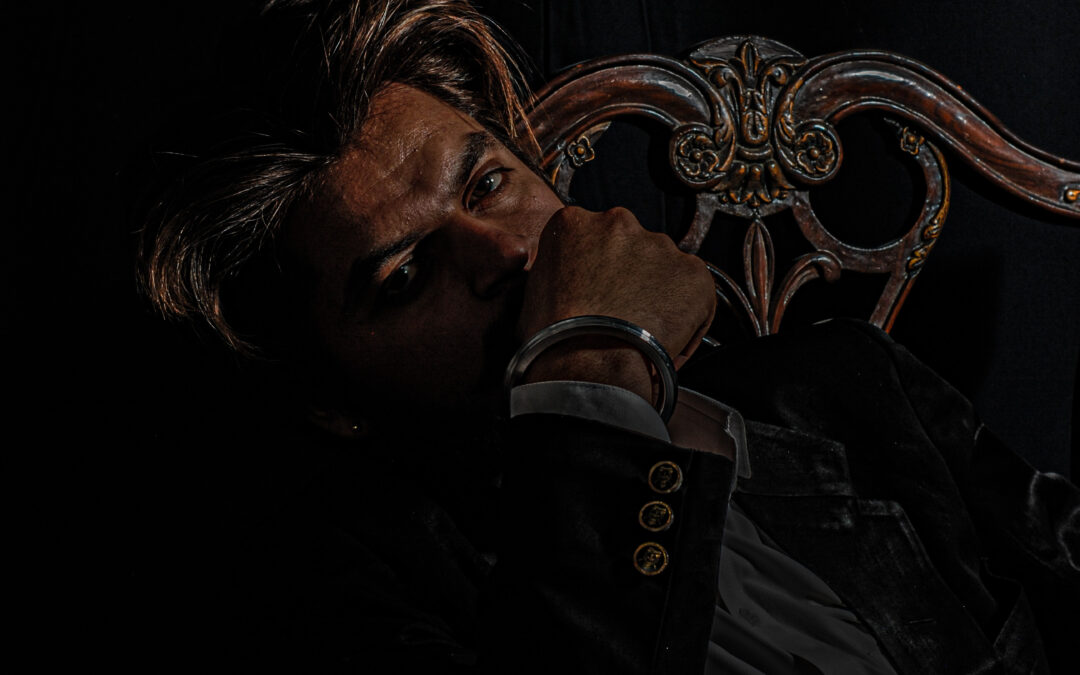
Adobe’s generative Relight tool expands creative control while making it harder to treat shadows and highlights as reliable evidence of an original scene.
New cases brought by Elvis Presley and Eminem rights holders connect AI training, musical outputs, and synthetic identity—and show artists which permissions must be kept separate.
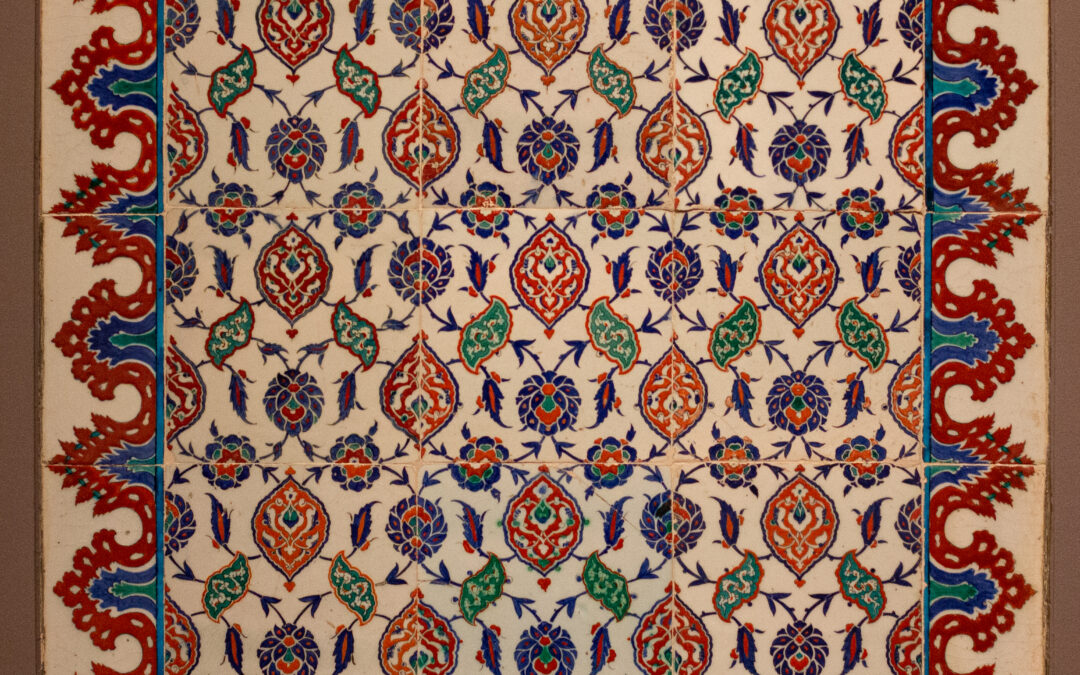
Türkiye’s TraceART helped locate stolen İznik tiles online, but experts, archives and laboratory evidence made the case. The distinction matters for artists and collections.
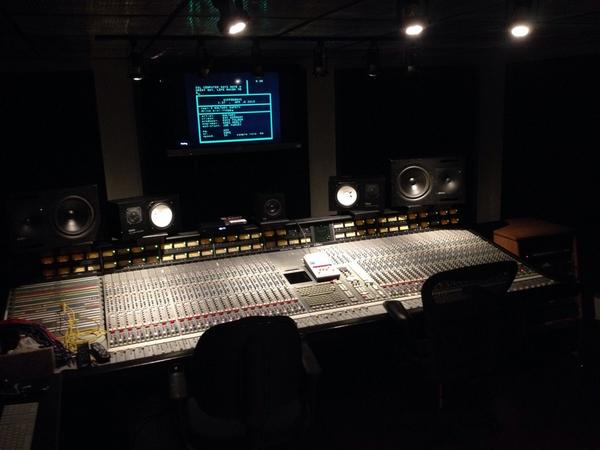
YouTube’s fully, partly, or not generated AI designations could move disclosure beyond a warning and toward usable production metadata for artists.
Gemini Omni 1.2 Flash turns AI video into an iterative editing process. For artists, stronger continuity also raises sharper questions about references, consent and provenance.
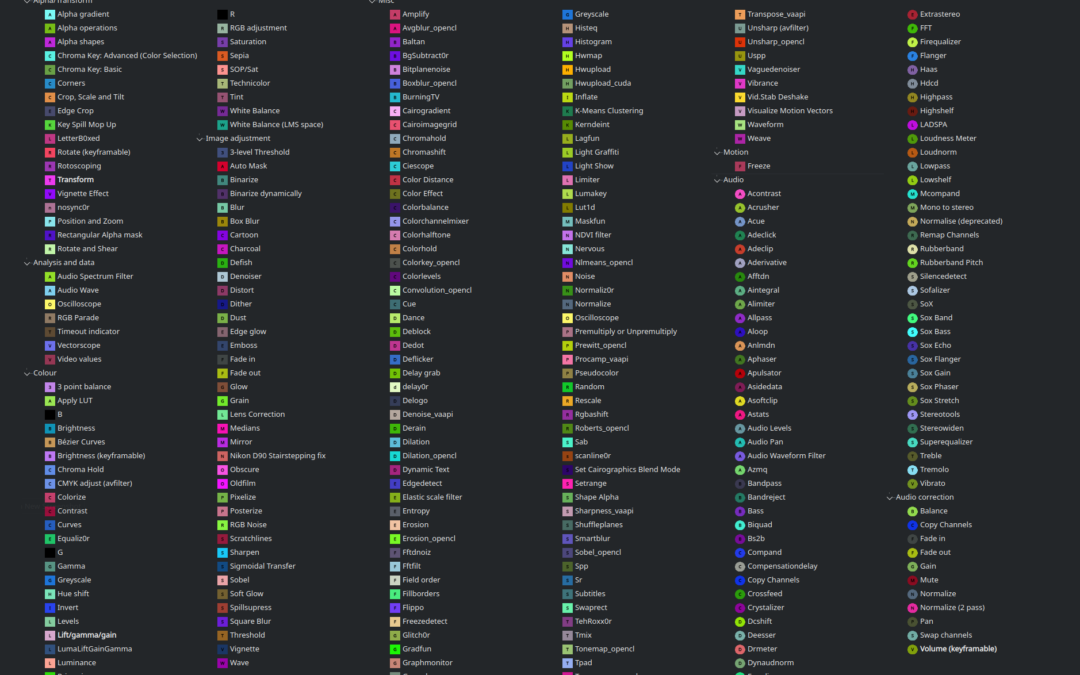
Instagram’s desktop Edits app lets AI agents assemble video inside a professional timeline. For artists, the new questions are access, consent, review and who owns the final cut.

OpenAI’s Images 2.6 makes speed, consistency and animated output part of one visual workflow. For artists, the real issue is how those gains reshape revision, contracts and responsibility.
Europe’s first generative-AI case asks whether a chatbot’s live retrieval and recognizable reuse of protected expression can infringe rights even when the legal analysis of training differs.

Sally Scales’s warning about AI-made imitations shows why copyright alone cannot protect Indigenous cultural authority, consent and living artistic knowledge.
New creator-group filings in the consolidated OpenAI litigation ask a federal court to weigh consent, fair use, licensing markets, and the economic future of human creative work.

Europe’s AI transparency work is moving beyond a badge toward interoperable detection and a second layer that can explain the nature of AI involvement.
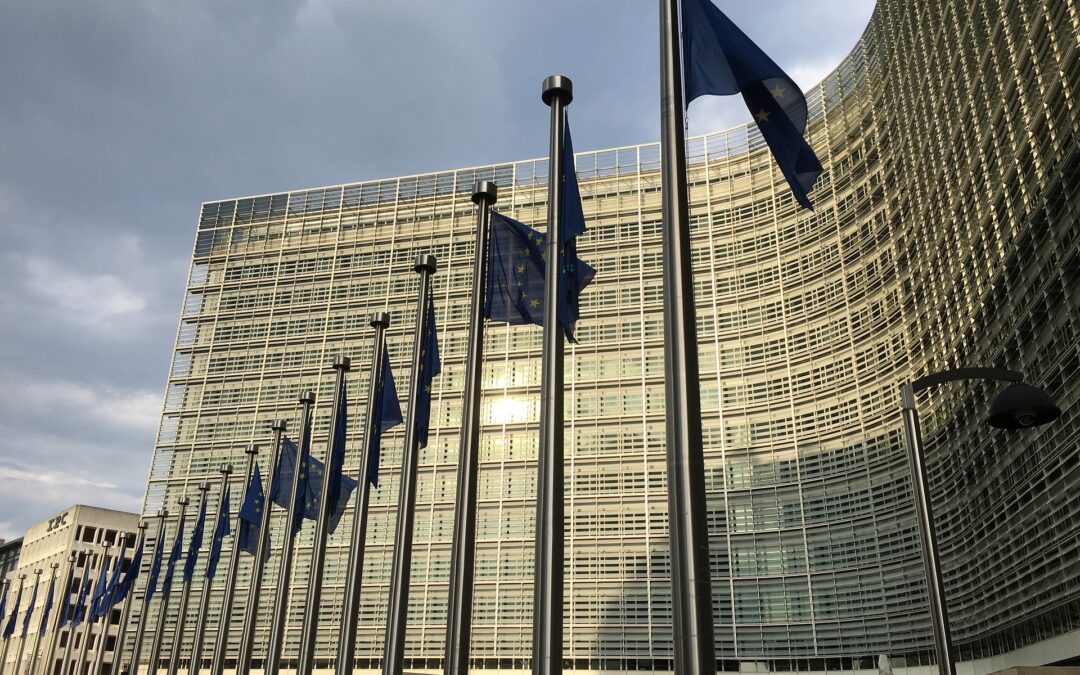
The EU’s live copyright review separates transparency, licensing, remuneration and synthetic-identity protection—four tools that solve different problems for creators.
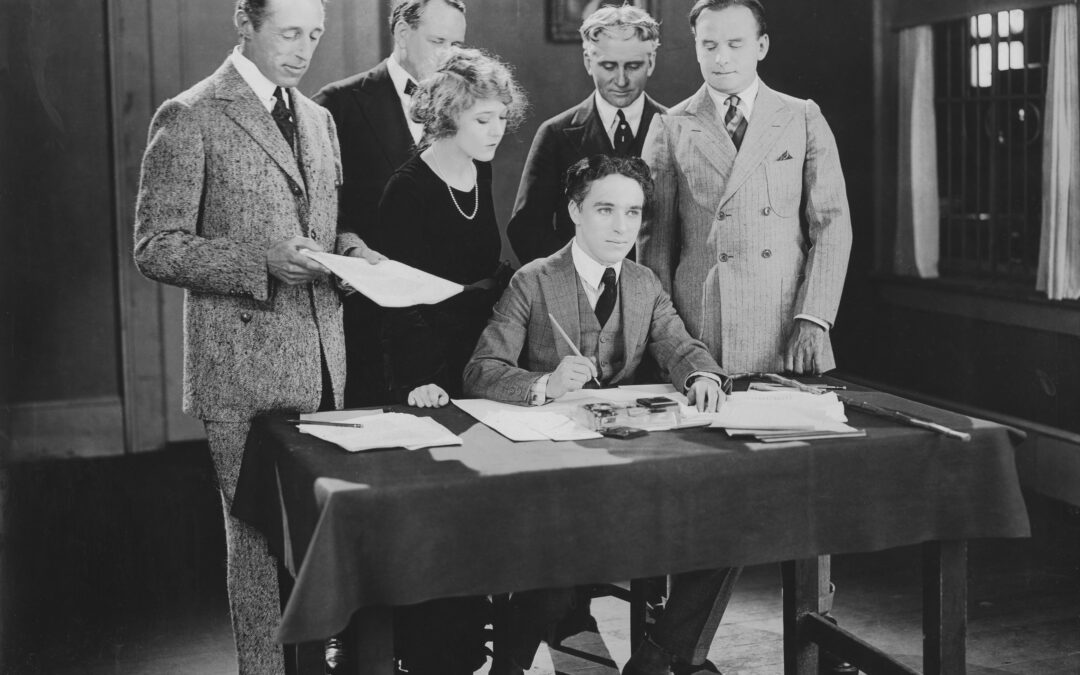
The musicians’ union’s new Human Made, Human Paid campaign exposes the gap between catalogue-level AI licensing and performer-level consent, credit and compensation.
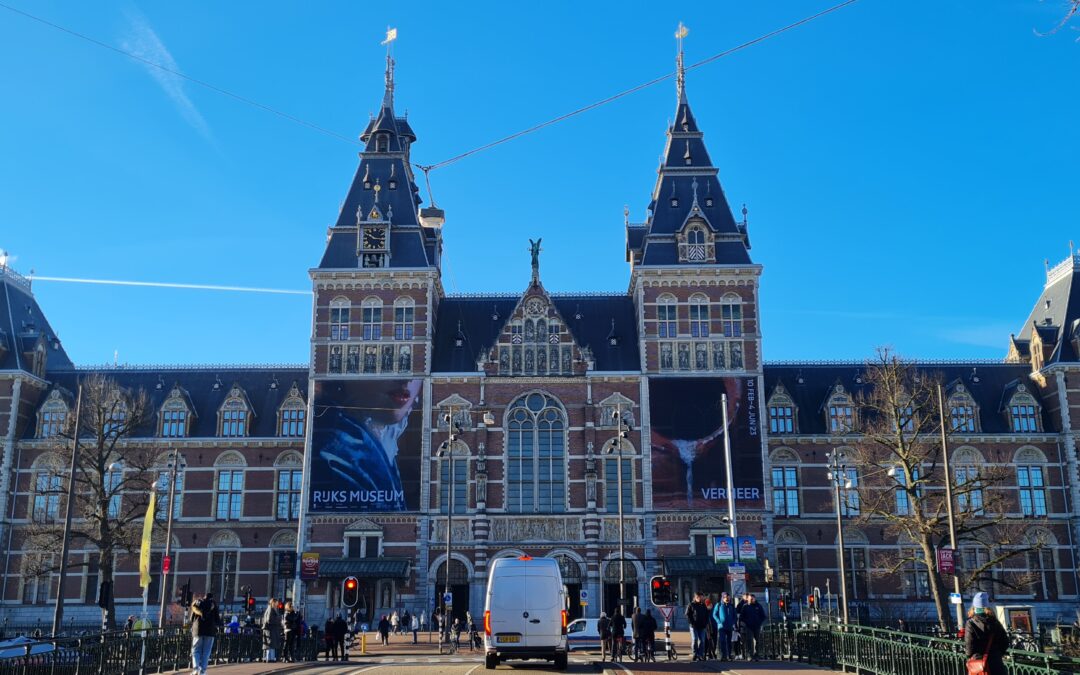
A three-year Rijksmuseum–Prosus partnership arrives as museum AI adoption is outpacing internal policy. The real test is accountable cultural governance.
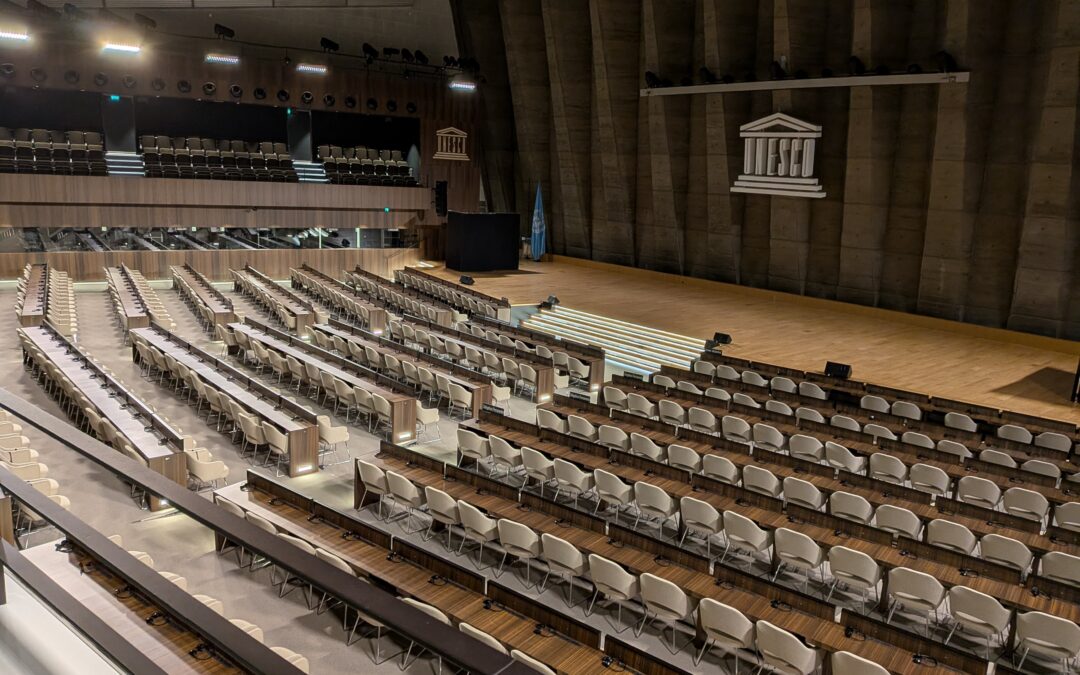
UNESCO’s October 27 congress reframed AI discoverability as a cultural-diversity and artist-rights issue, not merely a platform feature.
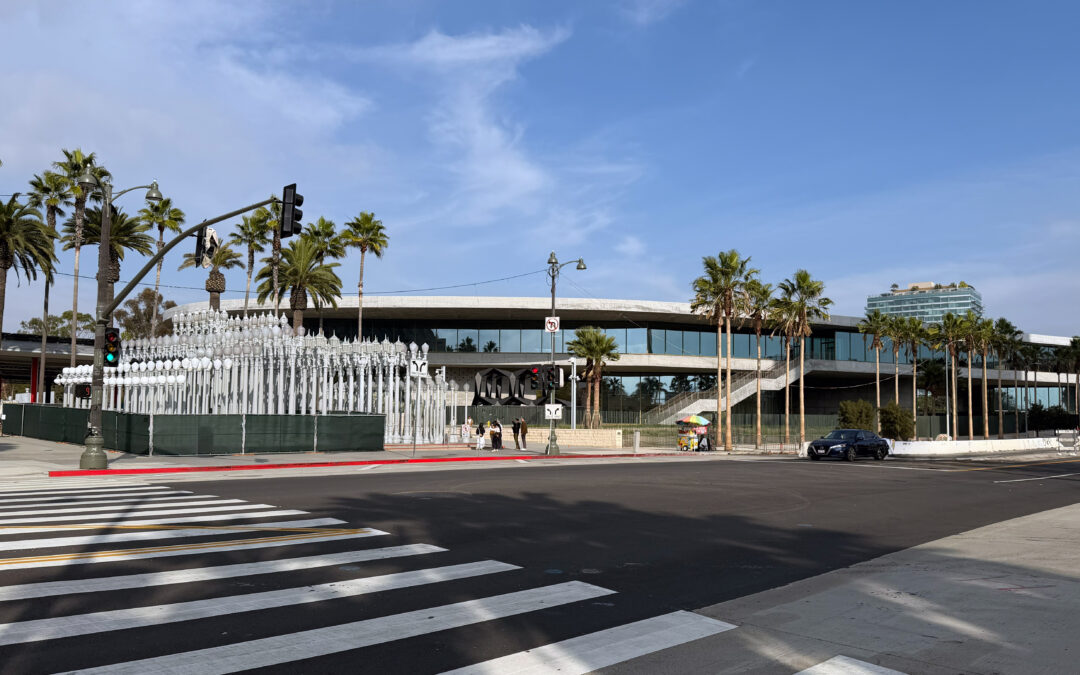
LACMA’s landmark digital-art gift puts AI-driven work into a six-decade technological history—and raises practical questions about preservation, authorship, and institutional responsibility.
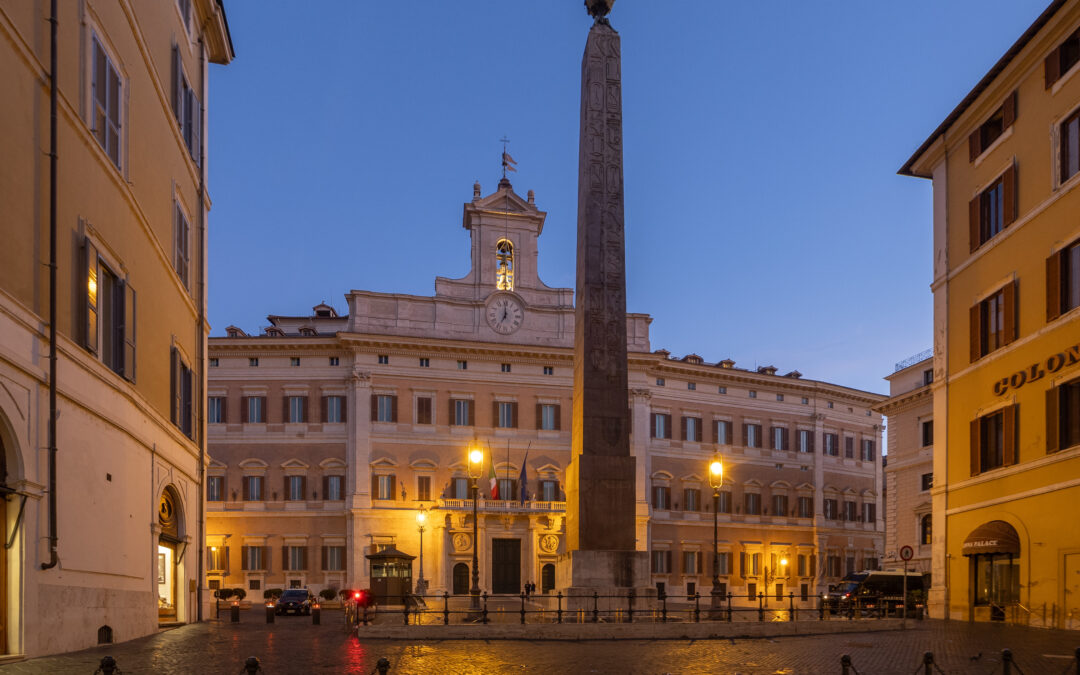
Italy’s new AI enforcement framework makes provenance, labeling and clear creative records more important for artists and cultural teams using generative tools.
New parliamentary answers keep creator control at the center of UK AI policy while the tools, standards and final rules remain unsettled.
Adobe’s Generate Soundscape turns video analysis into four editable tracks. The useful test is what an editor can change, replace and leave silent.
As the JPEG Trust Summit opens, a new standards framework is bringing authenticity, attribution, rights, and editing history into the architecture of digital media.
A new SFMOMA conversation shifts the AI debate from impressive outputs to the rules governing consent, data and creative power.
At MoMA, Pierre Huyghe’s UUmwelt turns brain scans, machine learning, biological data and visitor attention into an unstable image ecosystem.
Adobe’s agentic tools can now plan multi-step creative work. For artists, the decisive questions are approval, model choice, access, reversibility and records.
Indonesia’s proposed copyright revisions bring AI style imitation, disclosure and human authorship into one debate—with important consequences for visual artists.
Adobe’s generative Relight tool expands creative control while making it harder to treat shadows and highlights as reliable evidence of an original scene.
New cases brought by Elvis Presley and Eminem rights holders connect AI training, musical outputs, and synthetic identity—and show artists which permissions must be kept separate.
Türkiye’s TraceART helped locate stolen İznik tiles online, but experts, archives and laboratory evidence made the case. The distinction matters for artists and collections.
YouTube’s fully, partly, or not generated AI designations could move disclosure beyond a warning and toward usable production metadata for artists.
Gemini Omni 1.2 Flash turns AI video into an iterative editing process. For artists, stronger continuity also raises sharper questions about references, consent and provenance.
Instagram’s desktop Edits app lets AI agents assemble video inside a professional timeline. For artists, the new questions are access, consent, review and who owns the final cut.
OpenAI’s Images 2.6 makes speed, consistency and animated output part of one visual workflow. For artists, the real issue is how those gains reshape revision, contracts and responsibility.
Europe’s first generative-AI case asks whether a chatbot’s live retrieval and recognizable reuse of protected expression can infringe rights even when the legal analysis of training differs.
Sally Scales’s warning about AI-made imitations shows why copyright alone cannot protect Indigenous cultural authority, consent and living artistic knowledge.
New creator-group filings in the consolidated OpenAI litigation ask a federal court to weigh consent, fair use, licensing markets, and the economic future of human creative work.
Europe’s AI transparency work is moving beyond a badge toward interoperable detection and a second layer that can explain the nature of AI involvement.
The EU’s live copyright review separates transparency, licensing, remuneration and synthetic-identity protection—four tools that solve different problems for creators.
The musicians’ union’s new Human Made, Human Paid campaign exposes the gap between catalogue-level AI licensing and performer-level consent, credit and compensation.
A three-year Rijksmuseum–Prosus partnership arrives as museum AI adoption is outpacing internal policy. The real test is accountable cultural governance.
UNESCO’s October 27 congress reframed AI discoverability as a cultural-diversity and artist-rights issue, not merely a platform feature.
LACMA’s landmark digital-art gift puts AI-driven work into a six-decade technological history—and raises practical questions about preservation, authorship, and institutional responsibility.
Italy’s new AI enforcement framework makes provenance, labeling and clear creative records more important for artists and cultural teams using generative tools.